Best Glaziers in Auckland
Published 06 January 2025 · Updated 18 August 2026
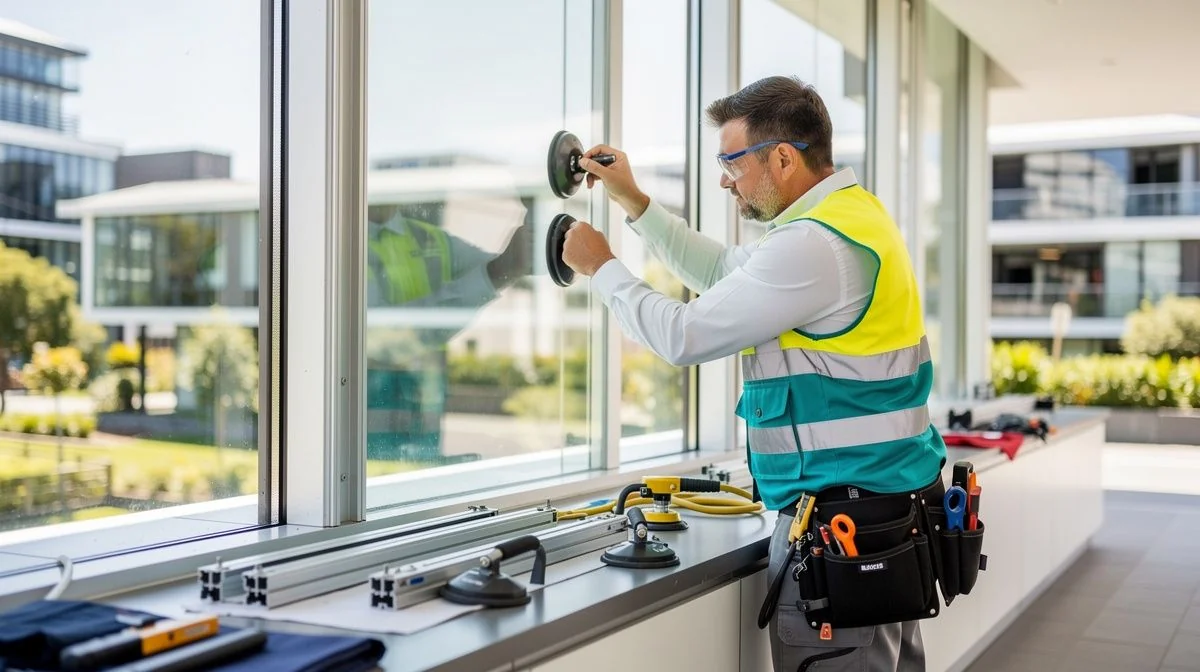
Best Glaziers in Auckland
Why a Good Glazier Matters in Auckland
Glass is one of those things you don't think about until it breaks — and in Auckland, when it breaks, you want it fixed fast. Whether it's a ranchslider that shattered during a kid's backyard cricket match, a fogged-up double-glazed unit that's been collecting condensation for months, or the single-glazed windows in your 1920s bungalow that let every ounce of heat escape in July, a skilled glazier is the difference between a job done right and a job you'll be paying someone else to fix two years from now.
Unlike plumbers or electricians, glaziers in New Zealand don't require a mandatory government licence to practice. There's no PGDB or EWRB for glass. Instead, the trade is governed by a web of New Zealand Standards — NZS 4223 (glazing in buildings), E2/AS1 (external moisture), H1 (energy efficiency) — and compliance is demonstrated through correct material selection, proper installation, and permanent markings on every pane. The closest thing to a professional credential is voluntary membership with the Window & Glass Association NZ (WGANZ), which has over 400 member companies nationwide and enforces a Code of Ethics.
In Auckland, you can expect to pay anywhere from $130 for a small single-pane replacement during business hours to $46,000 or more for a full house joinery replacement. The range is enormous because the job scope varies from a quick reglaze to a complete window-and-frame swap requiring gib repair, painting, and architrave work. That fee is modest compared to what happens when a poorly installed window lets water into your wall framing — Auckland is ground zero for New Zealand's leaky building crisis, with an estimated 22,000 to 89,000 homes affected nationwide, the vast majority concentrated right here. A bad glazing job isn't just annoying. It can rot your house from the inside out.
Our Trusted Glaziers
We feature businesses that demonstrate strong performance, proven experience, and consistently positive customer feedback. Some of the providers listed may have commercial relationships with us, but all are selected based on quality and reliability.
To begin, reach out to them and speak with them directly — this helps you explain your job, ask questions, and confirm whether they're the right fit.
Elite Glazing & Glass, Retrofit Double Glazing Auckland. We Can Fit Double Glazing into Your Existing Window Frames. Free Quote Enquire Now.
How We Researched This Guide
We spent time digging through glazier websites, price lists, and industry guides, including cost guides (which track real quotes across Auckland suburbs as of 2026) to understand what glass work actually costs. We checked the Building Code glazing requirements, the NZS 4223 safety standards, and what WGANZ membership actually means. If a number is on this page, we found a real source for it.
Quick Summary — The 60-Second Version
If you're skimming, here's what matters:
- Single pane replacement: $130–$800 for standard window glass during business hours, depending on size and glass type
- Emergency callout: $210 + GST after hours — budget $350–$800 all up for a typical emergency repair
- Double glazing (retrofit): $400–$800 per square metre into existing frames — far cheaper than full window replacement
- Full house double glazing: $13,799–$40,250 for a 12–18 window home, or $17,250–$46,000 for full joinery replacement
- Verify: Look for WGANZ membership, check safety glass markings on every pane (required by NZS 4223.3), and ask about their experience with Auckland wind zones
- Biggest factor: whether your existing frames are sound — if the timber is rotting or the aluminium is warped, you're looking at full replacement, not retrofit
NZ Glazing Standards and Certification — What Actually Matters
Glazing in New Zealand doesn't operate under a single mandatory licensing regime like plumbing (PGDB) or electrical (EWRB). That doesn't mean it's unregulated — far from it. Every glass installation must comply with the Building Code and a detailed suite of New Zealand Standards. A competent glazier knows these standards inside out and can explain why a particular glass type or fixing method is required for your specific situation.
The key standards that govern glazing work in New Zealand are:
- NZS 4223.1:2008 — Glass selection and glazing. Covers what type of glass goes where, including thickness requirements, wind load calculations, and frame compatibility.
- NZS 4223.2:2016 — Insulating glass units (IGUs). The standard for double and triple glazed sealed units, including manufacturing tolerances, spacer bar requirements, and durability testing.
- NZS 4223.3:2016 — Human impact safety requirements. The one that says safety glass (toughened or laminated) is required in doors, low windows, wet areas, and anywhere protecting a fall of one metre or more. Every pane of safety glass must be permanently marked with the manufacturer's name, glass type, and the standard it complies with.
- NZS 4223.4:2008 — Wind, dead, snow, and live actions. Determines the minimum glass thickness for a given wind zone. In Auckland, where most sites fall into High or Very High wind zones, this standard dictates whether your windows will actually hold up in a storm.
- E2/AS1 — External moisture. Governs how windows and doors are installed to prevent water ingress — head flashings, sill trays, jamb flashings, and the all-important air seal. This is the standard most directly relevant to Auckland's leaky building history.
- H1/AS1 — Energy efficiency. Sets minimum thermal performance requirements. When replacing windows, the new glazing must have an R-value at least as good as what came out — which is why replacing old aluminium single glazing almost always requires going to double glazing.
The Window & Glass Association NZ (WGANZ) is the national trade body, established in 1965. It's voluntary — no glazier is legally required to join — but membership signals a business that takes standards compliance seriously. WGANZ members must adhere to a Code of Ethics, maintain professional indemnity insurance, and have their products independently tested. The Association also runs the Glass Standard Advisor Network — practitioners who have passed a 100% examination on the practical interpretation of NZS 4223.3. If something goes wrong, WGANZ provides an independent dispute resolution service between consumers and members.
There's also the New Zealand Certificate in Glazing (Level 4), a formal qualification that covers the application of NZS 4223, AS/NZS 4667 (quality requirements for cut-to-size and processed glass), and practical skills assessed in real workplace conditions. A glazier who holds this certificate has been independently assessed against national standards — it's the closest thing to a licence the trade has.
Auckland Pricing — What You Can Expect to Pay
Auckland is the most expensive market for glazing in New Zealand, running about 15 per cent above the national average. This reflects higher labour costs, longer travel distances across the sprawling metropolitan area, and strong demand from a city of 1.7 million people with a housing stock that spans everything from 1880s villas to 2020s apartment towers. The good news is that Auckland also has the most glaziers — more competition means quotes on the same job can vary by 30 to 40 per cent, so getting three written quotes genuinely pays off.
Here's what common glazing jobs cost in Auckland as of mid-2026. All prices include GST unless noted otherwise.
| Job | Typical Auckland Price Range |
|---|---|
| Single glass pane replacement, small (≤0.5 m²) | $130–$350 |
| Single glass pane replacement, large (>0.5 m²) | $350–$800 |
| Emergency after-hours callout fee (labour only, before materials) | $210 + GST |
| Fogged double glazed unit (IGU) replacement, standard size | $300–$1,200 |
| 1–3 standard pane replacements, supply and install | $459–$1,724 |
| Retrofit double glazing into existing timber frame, per m² | $400–$800 |
| 5–10 window double glaze retrofit | $4,600–$11,500 |
| Single insert window replacement, aluminium standard size | $2,000–$3,500 |
| Full joinery replacement per unit, standard size | $2,400–$3,500 |
| Full house double glaze retrofit, 12–18 windows | $13,799–$40,250 |
| Full house joinery replacement, 12–18 openings | $17,250–$46,000 |
| Premium thermally-broken aluminium or uPVC, full house | $32,000–$55,000 |
Price ranges verified from multiple Auckland provider websites and industry cost guides as of August 2026. Final quotes depend on glass type, access requirements, frame condition, and whether gib repair, painting, or architrave work is needed. GST is included unless noted. Get at least three written quotes before committing.
Several factors drive the final price. The size of the glass is the obvious one — larger panes require thicker glass to meet wind load requirements, and they're heavier to handle, needing two installers rather than one. Access is the hidden cost driver: a ground-floor sash window is a 20-minute job, while a third-storey picture window requiring scaffolding or a cherry picker is a full morning for a crew of two.
Glass type matters enormously — standard annealed float glass is the cheapest, toughened safety glass costs about 50 per cent more, and laminated glass (two panes bonded with a plastic interlayer) costs roughly double. Low-E coatings and argon gas fills, standard on modern double-glazed units, add further cost but pay back through lower heating bills.
Most Auckland glaziers quote on a per-job basis rather than hourly. This is generally better for you — it means the glazier carries the risk if the job takes longer than expected. For small repairs, some will quote a minimum charge (typically $130–$200) that covers the first hour of labour plus callout. For larger projects like full-house retrofits, you'll get a detailed quote breaking down materials, labour, and any subcontractor work like gib stopping or painting.
How to Choose a Glazier — What Actually Matters
With no mandatory licensing, choosing a glazier comes down to checking the right things yourself. Here's what separates a competent professional from someone who's just good at fitting glass into holes.
Check their standards knowledge. Ask them which wind zone your house is in. In Auckland, the answer is almost always High or Very High (NZS 3604), and they should be able to tell you what that means for glass thickness and fixing centres. If they look blank, move on. A good glazier will also explain when safety glass is required under NZS 4223.3 — within 800 mm of floor level, in doors and side panels, in wet areas within 2,000 mm of floor level, and anywhere protecting a fall of one metre or more.
Look for WGANZ membership. It's not a licence, but it's the strongest signal you'll get. WGANZ members have their products independently tested, follow a Code of Ethics, and participate in ongoing technical training. The Association also provides an independent dispute resolution service if something goes wrong. You can search the member directory at wganz.org.nz.
Ask about their experience with older Auckland housing stock. A glazier who mostly does new-build aluminium joinery in Flat Bush will be out of their depth on a 1910s Ponsonby villa with original timber sashes, uneven openings, and heritage considerations. The reverse is also true. Auckland's housing stock is extraordinarily varied, and different eras demand different skills.
Verify their safety glass markings. Every pane of safety glass must be permanently marked with the manufacturer's name or trademark, the type of safety glass, the test or manufacturing standard, and the certifier's ID or licence number. These markings are small — typically in the lower corner of the pane — but they're non-negotiable. A glazier who tells you "it's safety glass, trust me" without visible markings is cutting corners.
Check what fasteners they plan to use. Windows and doors must be mechanically fixed — 10g x 50 mm stainless steel pan-head screws at maximum 300 mm centres into timber, or masonry anchors at the same centres into concrete. Construction adhesives alone are not acceptable as structural fixings. If a glazier suggests gluing your windows in instead of screwing them, find someone else.
Red flags to watch for:
- No written quote. "I'll sort you out, bro" is not a binding contract. Always get the scope, materials, timeline, and price in writing.
- Can't name the relevant standard. If they can't say "NZS 4223.3" when you ask about safety glass requirements, they don't know the rules they're supposed to be following.
- Recommends annealed glass where safety glass is required. This is dangerous and illegal under the Building Code. Walk away.
- No public liability insurance. Glazing involves heavy, breakable materials at height. If a pane shatters during installation and injures someone, you want to know you're covered.
- Quotes a Low-wind-zone-rated window for an Auckland site. CodeMark-certified products have prescribed scope limitations. A window rated for Low wind zones isn't legal on most Auckland properties, which sit in High or Very High zones. Some suppliers market these aggressively because they're cheaper — don't fall for it.
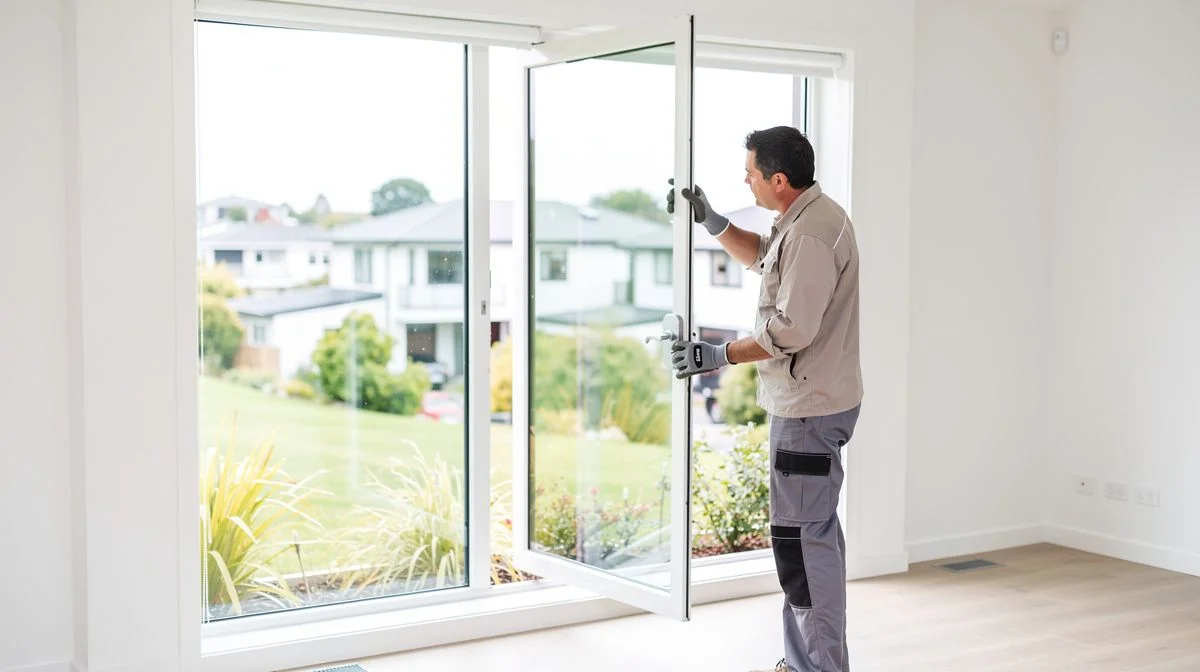
What to Expect When You Call a Glazier
Before they arrive. If it's an emergency — a broken window or door — secure the area first. Keep children and pets away from broken glass. If possible, measure the approximate size of the pane (height and width in millimetres) and note what type of glass it is — single, double glazed, frosted, tinted, or clear. If you can see a small permanent marking in one corner of the glass, take a photo of it. The glazier will use this to match the replacement glass to the correct standard. If you're not in an emergency, clear furniture away from the work area and make sure there's a clear path from the front door to the window.
When they arrive. A good glazier will assess the frame condition before touching the glass. If the frame is timber, they'll check for rot — particularly at the bottom corners and sill, where water pools. If the timber is soft, they should tell you before starting work, because replacing glass into a rotting frame is a temporary fix at best. For double-glazed unit replacements, they'll examine the spacer bar (the strip between the two panes) to confirm the unit has failed — a fogged IGU is a sealed-unit failure, not a cleaning problem. They'll then remove the old glass or beads, fit the new pane, apply fresh sealant, and clean up.
How long common jobs take:
- A standard single-pane replacement in an accessible ground-floor location takes 30–60 minutes
- A fogged double-glazed unit replacement takes 1–2 hours, including removing beads, extracting the old IGU, fitting the new one, and resealing
- Emergency board-up and same-day glass replacement takes 1–3 hours from callout to completion for most Auckland suburbs
- A full retrofit double glaze into existing timber frames takes 1–2 hours per window — a 10-window job is typically completed over 2–3 days
- Full joinery replacement for a single window takes 3–5 hours including gib repair and exterior sealing — a full house takes 5–10 working days
- A broken shower screen or glass splashback replacement takes 1–2 hours but may require a second visit if the glass needs to be toughened and ordered in (toughening takes 3–5 working days)
After the job. For any glazing work that involves safety glass, confirm the new pane has the required permanent markings in the corner. For double glazed units, check the spacer bar for the manufacturer's details and date of manufacture. Keep any paperwork — particularly for full window or door replacements — as you'll need it if you sell the property.
Building consent isn't required for most window replacements (Schedule 1 of the Building Act exempts replacing "a comparable building product or assembly in the same position"), but the work must still comply with the Building Code. If the original window failed within 15 years of installation — for example, a 2015 aluminium window that's rotted out — consent is required because it failed the durability requirements of clause B2.
Auckland-Specific Risks — What Your Glazier Should Know
The Leaky Building Era — Why Window Installation Standards Changed
Between the late 1980s and mid-2000s, Auckland saw a building boom in Mediterranean-style homes — flat roofs, no eaves, monolithic plaster claddings, and windows installed flush with the exterior wall surface. These homes looked sharp. They also leaked catastrophically.
The official inquiry found that windows and doors were a primary entry point for water: head flashings were minimal or absent, jamb flashings were non-existent, and sealant was relied upon as the sole waterproofing barrier — a material with a finite lifespan that requires regular maintenance most homeowners never do.
PwC estimated the total economic cost of remediation at $11.3 billion (in 2008 dollars). The problem was concentrated in Auckland, where land prices drove demand for the larger floor plans these designs enabled. If your home was built between about 1988 and 2004 with monolithic cladding — particularly if the windows sit flush with the wall surface rather than being recessed with visible flashings — any glazing work should include a careful check of the surrounding framing for moisture damage. Replacing the glass without addressing water-damaged timber is like painting over rust.
Wind Zones — Auckland Is Not a Low-Wind City
Most of Auckland sits in High (44 m/s ultimate limit state) or Very High (50 m/s) wind zones under NZS 3604. Coastal and elevated sites — the North Shore clifftops, eastern bays, Waitakere foothills — frequently rate Very High. This matters because windows and doors are classified by wind zone, and a unit rated for Low (32 m/s) or Medium (37 m/s) wind zones is not compliant on most Auckland properties.
The WGANZ has publicly flagged this issue: CodeMark-certified products with Low wind zone ratings are being marketed with imagery showing coastal or exposed sites, despite being legally out of scope for those locations. Always ask your glazier to confirm the wind zone classification of any replacement window or door unit, and check the label on the product itself — it should state the test standard, pressure ratings, and wind zone.
Coastal Corrosion — Salt Air Eats Aluminium
Auckland is surrounded by water on three sides, and salt-laden air accelerates corrosion on aluminium joinery and steel fasteners. Within 500 metres of the coast — which covers a significant chunk of Auckland's eastern suburbs, the North Shore, and the Whangaparaoa Peninsula — standard-grade aluminium with a basic powder coat will show pitting and white oxidisation within 10–15 years.
Marine-grade powder coating (meeting AS 3715) and 316-grade stainless steel fasteners (not 304 — it'll pit in salt air) are strongly recommended. A good Auckland glazier will ask how far you are from the coast before specifying materials. If they don't ask, ask them why.
Character Homes — Villa and Bungalow Glazing Challenges
Auckland has one of New Zealand's largest collections of pre-1940s timber villas and bungalows — Ponsonby, Grey Lynn, Kingsland, Mount Eden, Devonport, and Birkenhead are dense with them. These homes typically have original single-glazed timber sash or casement windows with a charm that aluminium can't replicate.
Replacing them involves navigating three constraints simultaneously: the Building Code (safety glass, energy efficiency, weathertightness), the Auckland Unitary Plan (heritage overlays in many of these suburbs may restrict visible changes to street-facing elevations), and the practical reality that 100-year-old timber framing is rarely square, never standard-sized, and often conceals rot behind the architraves.
Retrofit double glazing into existing timber frames is usually the preferred solution — it preserves the original joinery, satisfies H1 energy requirements, and costs roughly half to a third of full replacement. But it only works if the frames are sound. A glazier who specialises in character homes will check every frame with a moisture meter before quoting, and will be honest about which ones need replacing rather than retrofitting.
Safety Glass Upgrades on Pre-1990s Homes
Homes built before NZS 4223.3 came into force often have ordinary annealed glass in locations that now require safety glass — full-height windows, doors and side panels, bathroom windows, and any glazing within 800 mm of floor level.
When replacing any pane in these locations, the Building Code requires the new glass to meet current safety standards, even if the original didn't. This is not optional. A competent glazier will identify these locations during the quote and include safety glass in the price — a less scrupulous one might quietly install cheaper annealed glass and hope nobody checks. Look for the permanent markings. They're your insurance that the glass meets the standard.
Building Consent Triggers — When a Simple Repair Becomes a Consent Job
Most glass replacement work is exempt from building consent under Schedule 1 of the Building Act — replacing like with like in the same position doesn't trigger consent. However, there are exceptions that Auckland homeowners should know about. If the original window has failed within 15 years of installation (a durability failure under clause B2), consent is required.
If you're enlarging the window opening, consent is required. If you're adding a new window where there wasn't one, consent is required. And in some heritage zones under the Auckland Unitary Plan, visible changes to street-facing windows may require resource consent regardless of the Building Act exemption. A good glazier knows these triggers and will flag them before starting work, not after the council inspector drives past.
Questions You Might Have
Can I just replace the glass without replacing the whole window frame?
Yes, in most cases. This is called a reglaze or insert replacement, and it's significantly cheaper than full joinery replacement — typically $130–$800 per pane for single glazing or $400–$800 per square metre for retrofit double glazing. The catch is that the existing frame must be structurally sound.
A good glazier will check for rot in timber frames and corrosion in aluminium frames before quoting. If the frame is compromised, a glass-only replacement is a waste of money — you'll be back in two to five years doing the full job anyway.
Do I need building consent to replace my windows?
Generally no, if you're replacing a comparable window in the same opening. Schedule 1 of the Building Act 2004 exempts "replacement of a building product or assembly provided that a comparable building product or assembly is used and the replacement is in the same position."
However, there are three exceptions: if the original window failed within 15 years of installation (a durability failure), if you're enlarging the opening, or if you're in a heritage zone with specific restrictions. The work must still comply with the Building Code even when consent isn't required — correct flashings, safety glass, and mechanical fixings are non-negotiable.
Is retrofit double glazing worth it, or should I just replace the whole window?
Retrofit double glazing — fitting a double-glazed unit into your existing timber or aluminium frame — costs roughly $400–$800 per square metre versus $2,400–$3,500 per unit for full joinery replacement. For a 12-window character home, that's $8,000–$15,000 for retrofit versus $25,000–$45,000 for full replacement.
The choice comes down to frame condition. If your existing timber frames are solid and well-maintained, retrofit gives you 80–90 per cent of the thermal benefit at a third of the cost. If the frames are rotting, warped, or have failed seals, full replacement is the only sensible option. A good glazier will test every frame with a moisture meter and give you an honest assessment — if they push retrofit without checking the timber, be suspicious.
How do I know if my double glazed unit has failed?
Look for fogging or condensation between the two panes of glass. This is different from condensation on the room-side surface — that's a ventilation issue, not a seal failure. A failed IGU has moisture trapped inside the sealed cavity, which you can't wipe away.
The spacer bar (the metal or plastic strip between the panes) may show signs of corrosion. Once the seal fails, the insulating gas (usually argon) has escaped, and the unit's thermal performance has dropped significantly. Replacement is the only fix — you can't "repair" a failed IGU.
What's the difference between toughened and laminated safety glass?
Toughened glass (also called tempered) is heat-treated to be about four to five times stronger than ordinary annealed glass. When it breaks, it shatters into small, relatively harmless granules rather than sharp shards. It's the most common safety glass for windows and doors. Laminated glass is two or more panes bonded with a plastic interlayer (PVB).
When it breaks, the interlayer holds the fragments together — the glass cracks but stays in place. Laminated glass is required for overhead glazing (skylights, glass roofs) and is preferred for security applications because it's much harder to penetrate than toughened glass. A good glazier will advise which type is appropriate for your specific location under NZS 4223.3.
What Matters Most
Glass is structural. It keeps water out, holds heat in, and stops people from falling through it. Getting it wrong isn't just expensive — in Auckland's climate, with its wind-driven rain, salt-laden air, and a housing stock that spans 140 years of changing building standards, getting it wrong can quietly destroy your home over a decade.
A good Auckland glazier knows which wind zone your house sits in without having to look it up. They check timber frames for rot before quoting, not after they've removed the old glass. They understand that the house in Ponsonby with original 1912 sashes needs a completely different approach to the 2003 plaster-clad townhouse in Stonefields. They put safety glass where the standard says it goes — no shortcuts, no "she'll be right" — and every pane they install carries its permanent compliance markings in the corner.
The $130 you spend replacing a single broken pane, or the $15,000 you invest retrofitting double glazing into your villa, is the best money you'll spend on the whole transaction. Check for WGANZ membership. Get three written quotes. Look for the markings on the glass. Pay for the job once.

The ValueHub Team built this site because finding clear, unbiased financial information in New Zealand was harder than it should be. Every guide is based on real research — we compare the actual fees, terms, and fine print so you don't have to. Our tip: shop around every year, read the policy docs, and never assume loyalty gets you the best deal.— The ValueHub Team
More Glaziers in Auckland
These businesses also operate in this area.
360 Glass designs, supplies and installs premium glass showers, balustrades, pool fencing and commercial glazing across Auckland. Trusted by builders and homeowners. Request a quote today. over 10 years experience in glazing. AUCKLAND WIDE. Glass Solutions for Auckland Homes and Businesses Premium glazing installed with care, accuracy, and clear communication from start to finish.
GI Glass is a leading glass company in Auckland, offering expert glass installation, partitions, glazing, and repairs for residential and commercial projects. Your Project. Your Investment. Let’s Work Together. We’ve got the professional solutions for all your glass needs. Great Team. Amazing service, sound advice all at a fair price. Will use again. Thanks guys.
Try our Calculators
Use these free tools to crunch the numbers:
KiwiSaver Fund Comparison
Compare fees, returns, and risk levels across every KiwiSaver fund from all 31 NZ providers.
Currency Converter — USD to NZD
Convert US Dollars to New Zealand Dollars instantly. See the latest exchange rate and 30-day trend.
Mortgage Repayment Calculator
Calculate your weekly, fortnightly, or monthly mortgage repayments. Free NZ mortgage calculator — try different rates, terms, and repayment frequencies.
Compound Interest Calculator
See how your savings grow with compound interest over time. Free NZ compound interest calculator with yearly, monthly, and weekly compounding options.
Term Deposit Calculator
Calculate your term deposit returns before you lock in. Compare interest earned across different terms and rates with ValueHub's free calculator.
Savings Goal Calculator
Calculate how long it will take to reach your savings goal — and what monthly deposit you need to get there. Free NZ savings planner.
Glaziers in Other Cities
Latest Guides & Reviews
New Zealand Financial Markets Authority Guide: Investor Protection in NZ
Protect your investments with this practical guide to the FMA — how to check licences, spot scams, and what to do if a provider fails. Verified against...
comparisonEV Home Charger NZ: Costs & Buying Guide
Compare EV home charger costs in NZ — verified prices from $1,299, installation fees, smart features, and what actually matters for your home's power supply.
guideThe Most Popular EVs in New Zealand
The best-selling electric cars in New Zealand, ranked by official registration data. Top BEV and PHEV models and brands, updated monthly.
guideEV Market Stats
New Zealand's EV market in numbers — market share, fleet size, top-selling models and used imports, updated with the latest NZTA and MIA data.