Best Heat Pump Specialists in Tauranga
Published 14 January 2025 · Updated 18 August 2026
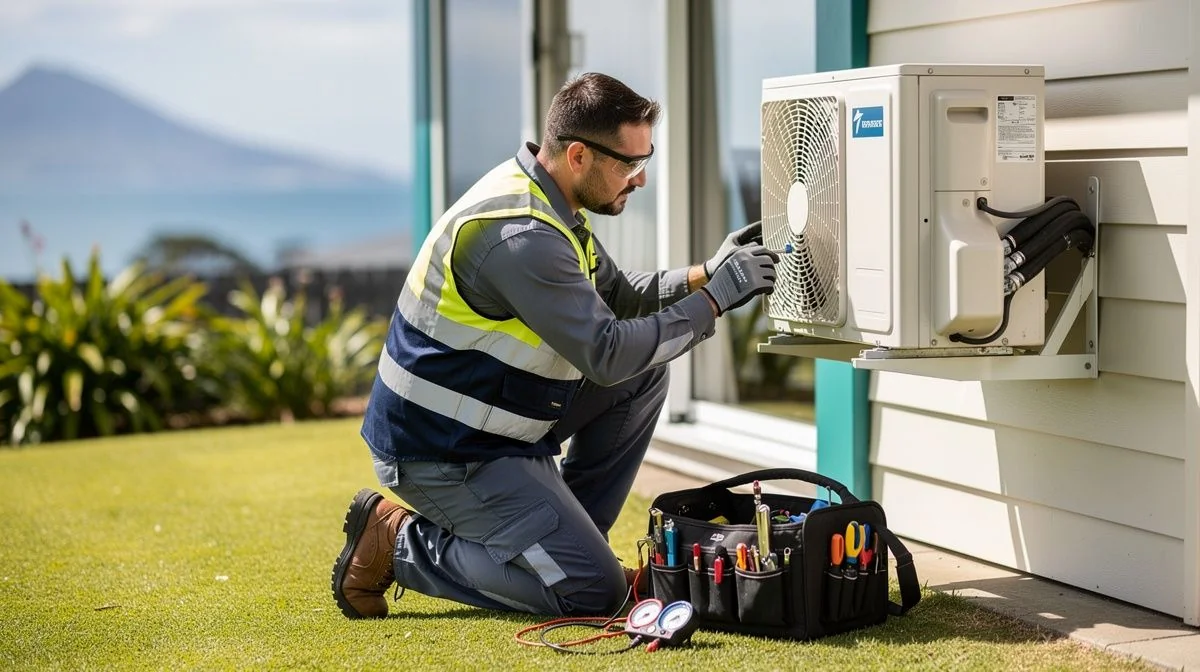
Best Heat Pump Specialists in Tauranga
Finding the right heat pump specialist in Tauranga can make all the difference to your home's comfort. With our region's humid summers and chilly winter mornings, a properly installed heat pump is more of a necessity than a luxury. Whether you're upgrading an old system or installing one for the first time, choosing a knowledgeable local expert ensures you get reliable heating and cooling all year round.
The Bay of Plenty has plenty of experienced tradespeople, but not all heat pump specialists are created equal. Taking a bit of time to vet your options will save you headaches down the track. Here's what you need to know to make a smart choice.
What to Look for When Hiring a Heat Pump Specialist in Tauranga
Start by checking that any specialist you're considering is fully licensed and insured. In New Zealand, heat pump installation must comply with the Electrical Workers Registration Board standards. Ask for their licence number and verify it online.
- Local experience — A specialist who knows Tauranga's climate and typical home layouts (like older villas in Mount Maunganui or newer builds in Papamoa) will give better advice on sizing and placement.
- Brand knowledge — Look for specialists who work with multiple brands rather than pushing just one. This shows they can recommend what suits your home, not just what they stock.
- Warranty coverage — Reputable specialists offer at least a five-year warranty on the unit and a one-year labour warranty. Always get this in writing.
- Clear communication — They should explain the installation process, including any disruption to your home, and provide a detailed written quote before work begins.
Our Trusted Heat Pump Specialists
We feature businesses that demonstrate strong performance, proven experience, and consistently positive customer feedback. Some of the providers listed may have commercial relationships with us, but all are selected based on quality and reliability.
To begin, reach out to them and speak with them directly — this helps you explain your job, ask questions, and confirm whether they're the right fit.
Reliable Electrician in Tauranga. Electrical repairs, maintenance and new installs in the Bay of Plenty. Trustworthy, over 11 yrs experience. Our services include electrical repairs, maintenance and new installations that are reliable, efficient and delivered by an experienced electrician who genuinely cares about quality and your satisfaction.
Key Questions to Ask Before Hiring
Don't be shy about asking questions — a good specialist will happily answer them. Here are a few to get you started:
- How do you calculate the right heat pump size for my room layout?
- Will you handle the council consent process if it's required?
- What brands do you recommend, and what's the difference in their running costs?
- How long will the installation take, and what happens if something goes wrong afterwards?
- Do you offer after-hours service for emergencies?
Their answers will tell you a lot about their professionalism and experience. If they seem vague or rushed, take it as a red flag.
Tips for Getting the Best Results
Once you've chosen your specialist, a few simple steps will help you get the most from your heat pump. Think about where you want the indoor unit mounted — it should be away from direct sunlight and furniture that could block airflow. The outdoor unit needs good ventilation too, so avoid tucking it into a tight corner.
Ask your specialist about ongoing maintenance. Regular filter cleaning and an annual service will keep your heat pump running efficiently for years. Some specialists offer maintenance plans, which can be worth considering if you'd rather not remember to book it yourself.
A Note About Costs and Getting Quotes
Heat pump prices in Tauranga vary depending on the size of the unit, the complexity of installation, and the brand you choose. A basic installation for a standard home might start around $2,500, while larger or more complex jobs can cost significantly more. Always get at least three written quotes to compare apples with apples.
Check with your local council for current requirements around heat pump installations, as some properties may need building consent. A trustworthy specialist will guide you through this process and include any consent fees in their quote. Remember, the cheapest quote isn't always the best value — focus on getting a specialist who offers solid workmanship and after-sales support.

The ValueHub Team built this site because finding clear, unbiased financial information in New Zealand was harder than it should be. Every guide is based on real research — we compare the actual fees, terms, and fine print so you don't have to. Our tip: shop around every year, read the policy docs, and never assume loyalty gets you the best deal.— The ValueHub Team
More Heat Pump Specialists in Tauranga
These businesses also operate in this area.
Lee Electrical. Experianced electrician, services Tauranga, Mount Maunganui, Papamoa and BOP surrounds. Residential, Commercial, Gate Automation, Heat Pumps. Get to Know Us With over 20 years in the electrical industry, we at Lee Electrical are committed to powering your world with reliable, efficient, and smart electrical solutions.
Trusted Fujitsu air conditioning and electrical services in Tauranga. Expert electricians for homes and businesses. Contact us today for a free quote. We deliver safe, compliant electrical services across the Bay of Plenty. From Fujitsu heat pump installations to everyday electrical work, our licensed team brings dependable workmanship, clear communication, and local experience to every job.
Try our Calculators
Use these free tools to crunch the numbers:
KiwiSaver Fund Comparison
Compare fees, returns, and risk levels across every KiwiSaver fund from all 31 NZ providers.
Currency Converter — USD to NZD
Convert US Dollars to New Zealand Dollars instantly. See the latest exchange rate and 30-day trend.
Mortgage Repayment Calculator
Calculate your weekly, fortnightly, or monthly mortgage repayments. Free NZ mortgage calculator — try different rates, terms, and repayment frequencies.
Compound Interest Calculator
See how your savings grow with compound interest over time. Free NZ compound interest calculator with yearly, monthly, and weekly compounding options.
Term Deposit Calculator
Calculate your term deposit returns before you lock in. Compare interest earned across different terms and rates with ValueHub's free calculator.
Savings Goal Calculator
Calculate how long it will take to reach your savings goal — and what monthly deposit you need to get there. Free NZ savings planner.
Heat Pump Specialists in Other Cities
Latest Guides & Reviews
New Zealand Financial Markets Authority Guide: Investor Protection in NZ
Protect your investments with this practical guide to the FMA — how to check licences, spot scams, and what to do if a provider fails. Verified against...
comparisonEV Home Charger NZ: Costs & Buying Guide
Compare EV home charger costs in NZ — verified prices from $1,299, installation fees, smart features, and what actually matters for your home's power supply.
guideThe Most Popular EVs in New Zealand
The best-selling electric cars in New Zealand, ranked by official registration data. Top BEV and PHEV models and brands, updated monthly.
guideEV Market Stats
New Zealand's EV market in numbers — market share, fleet size, top-selling models and used imports, updated with the latest NZTA and MIA data.