Best Heat Pump Specialists in West Coast
Published 24 February 2025 · Updated 18 August 2026
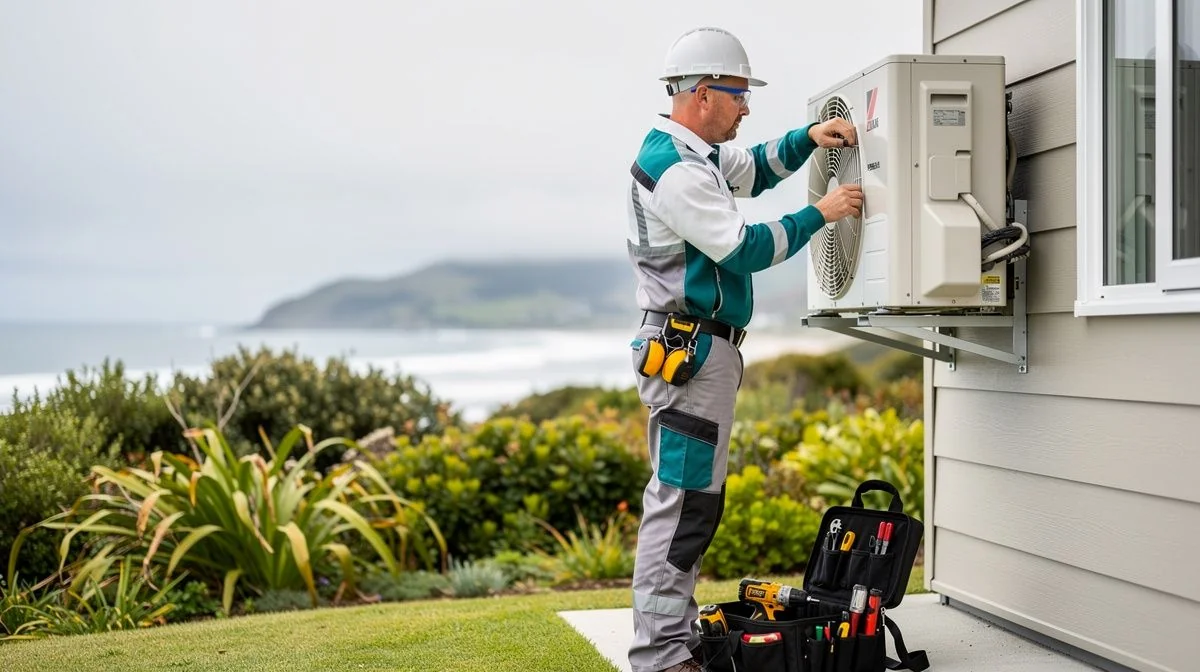
If you’re living on the West Coast, you know the weather can be a mixed bag — chilly winters, damp air, and occasional wild weather. A good heat pump can make a huge difference to your comfort and your power bill. But finding the right specialist to install it? That’s another story. The West Coast has its own quirks, from remote locations to coastal conditions that affect equipment choices. This page will help you find and hire a heat pump specialist who knows the local landscape.
What to Look for When Hiring a Heat Pump Specialist in West Coast
Not all installers are created equal, especially in a region like ours. Here’s what you need to keep an eye out for:
- Proper licensing and qualifications – In New Zealand, heat pump installation often involves electrical work. Make sure your specialist holds a current electrical licence from the Electrical Workers Registration Board (EWRB) or works closely with a licensed electrician. Also check if they are a member of the Institute of Refrigeration, Heating and Air Conditioning Engineers (IRHACE).
- Local experience – An installer who knows the West Coast will understand the unique challenges: high humidity near the coast, salt corrosion, and the need for units that can handle heavy rainfall. Ask about their experience with homes in your area.
- Warranty and after-sales support – A good installer will back their work with a solid warranty, often at least five years on the unit and a year on labour. For remote parts of the Coast, ask what happens if something goes wrong – will they come back quickly?
- References and reviews – Don’t just rely on a website. Ask for recent references from homes similar to yours. Check online reviews on Google and local community Facebook groups – word of mouth is gold on the Coast.
- Written quotes and contracts – Always get a detailed quote in writing. It should list the model, installation costs, any extras (like electrical work or wall bracing), and the timeline. Avoid verbal-only agreements.
Key Questions to Ask Before Hiring
When you’ve narrowed down your options, ring them up or meet them on-site. Ask these questions to separate the pros from the cowboys:
- “Do you hold a current EWRB electrical licence or work with one? Can I see proof?”
- “How many heat pumps have you installed in the West Coast region? Do you have experience with coastal homes?”
- “Which brands do you recommend for our climate, and why? Can you show me energy efficiency ratings for the models?”
- “What’s included in your quote? Does it cover the unit, installation, electrical work, and removal of the old system?”
- “What warranty do you offer on the unit and on your labour? How do you handle call-outs after installation?”
- “Will you handle any necessary council permits? (Some installations may require building consent, especially multi-split systems – check with West Coast District Council.)”
- “Can you provide references from recent jobs on the Coast?”
Take your time with these questions. A reputable specialist will answer them clearly without pressure.
Tips for Getting the Best Results
A heat pump is an investment. Here’s how to make sure yours performs well for years:
- Choose the right size for your home – A unit that’s too small will struggle to heat, while one that’s too big will cycle on and off, wasting power. A good specialist should do a proper heat load calculation based on your home’s size, insulation, windows, and orientation. Don’t accept a “one-size-fits-all” quote.
- Think about placement – In coastal areas, avoid installing the outdoor unit where it’s exposed to direct sea spray – that can cause corrosion. On the West Coast, also protect it from driving rain and fallen leaves. Consider a bracket or a shelter.
- Insulate first, if you can – Even the best heat pump loses effectiveness in a draughty home. Adding insulation, sealing gaps, and double-glazing where possible will reduce your running costs and keep your home comfortable.
- Maintain it regularly – Clean or replace filters every couple of months. Have a professional service the unit every one to two years. On the Coast, salt and moisture can build up – an annual clean of the outdoor coil helps a lot.
- Consider reverse-cycle for cooling – While West Coast summers are usually mild, we still get hot days. A reverse-cycle heat pump can also cool your home – something to ask about if you want year-round comfort.
A Note About Costs and Getting Quotes
Heat pump installation costs on the West Coast vary depending on the unit’s size, brand, and how complex the installation is. You might pay anywhere from a couple of thousand dollars for a small ducted unit in a straightforward install, up to $5,000 or more for a larger system in a tricky location. Factors like long travel distances for the installer, the need for a crane or scaffolding, and additional electrical work can add to the price.
Don’t just go with the cheapest quote. Get at least three written quotes from different specialists. Compare what’s included – a low price might mean a smaller unit, no warranty, or hidden extras. Ask if the quote includes GST, any necessary council consents, and clean-up after installation.
Also, remember that the Energy Efficiency and Conservation Authority (EECA) occasionally offers rebates or interest-free loans for heat pumps that meet certain efficiency standards. Check the Warmer Kiwi Homes programme (if you meet eligibility) – you could be eligible for a grant that covers up to 80% of the cost. Always confirm current schemes directly with EECA or your local council, as they can change.
Finally, be wary of door-knockers or unsolicited

The ValueHub Team built this site because finding clear, unbiased financial information in New Zealand was harder than it should be. Every guide is based on real research — we compare the actual fees, terms, and fine print so you don't have to. Our tip: shop around every year, read the policy docs, and never assume loyalty gets you the best deal.— The ValueHub Team
Try our Calculators
Use these free tools to crunch the numbers:
KiwiSaver Fund Comparison
Compare fees, returns, and risk levels across every KiwiSaver fund from all 31 NZ providers.
Currency Converter — USD to NZD
Convert US Dollars to New Zealand Dollars instantly. See the latest exchange rate and 30-day trend.
Mortgage Repayment Calculator
Calculate your weekly, fortnightly, or monthly mortgage repayments. Free NZ mortgage calculator — try different rates, terms, and repayment frequencies.
Compound Interest Calculator
See how your savings grow with compound interest over time. Free NZ compound interest calculator with yearly, monthly, and weekly compounding options.
Term Deposit Calculator
Calculate your term deposit returns before you lock in. Compare interest earned across different terms and rates with ValueHub's free calculator.
Savings Goal Calculator
Calculate how long it will take to reach your savings goal — and what monthly deposit you need to get there. Free NZ savings planner.
Heat Pump Specialists in Other Cities
Latest Guides & Reviews
New Zealand Financial Markets Authority Guide: Investor Protection in NZ
Protect your investments with this practical guide to the FMA — how to check licences, spot scams, and what to do if a provider fails. Verified against...
comparisonEV Home Charger NZ: Costs & Buying Guide
Compare EV home charger costs in NZ — verified prices from $1,299, installation fees, smart features, and what actually matters for your home's power supply.
guideThe Most Popular EVs in New Zealand
The best-selling electric cars in New Zealand, ranked by official registration data. Top BEV and PHEV models and brands, updated monthly.
guideEV Market Stats
New Zealand's EV market in numbers — market share, fleet size, top-selling models and used imports, updated with the latest NZTA and MIA data.