Best Home Stagers in Kapiti
Published 26 February 2025 · Updated 30 June 2026
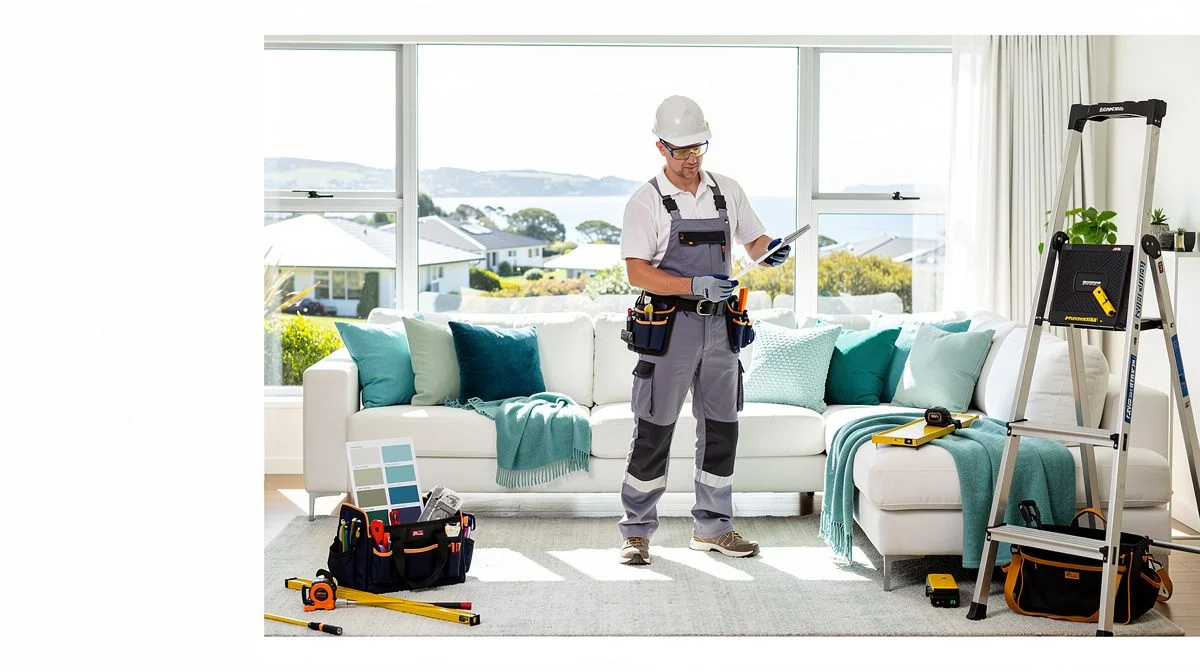
Finding the right Home Stager in Kapiti
Selling your home is a big step, and first impressions matter more than ever. A well-presented property can sell faster and often for a higher price. That's where a home stager comes in.
In the Kapiti region — from Paraparaumu to Waikanae and Ōtaki — the property market has its own character. Buyers here often look for a relaxed coastal feel combined with modern comfort. A local stager knows how to highlight those qualities.
But with several stagers operating in the area, how do you choose the one that's right for your home and your budget? This guide walks you through what to look for, questions to ask, and tips to get the best result.
What to look for when hiring a Home Stager in Kapiti
Not all home stagers offer the same service. Some provide full interior design and furniture rental, while others focus on decluttering and minor styling. Here's what to consider when comparing options.
Experience with local properties
A stager who knows the Kapiti market will understand what appeals to buyers in the area. They might suggest neutral tones that work well with coastal light, or furniture that suits the relaxed lifestyle. Ask how many homes they've staged in Kapiti and nearby suburbs.
Portfolio and style
Look at their recent work. Does their style match what you want to achieve? Some stagers specialise in modern minimalist, others in warm family-friendly looks. You want someone who can adapt to your home's architecture, not force a one-size-fits-all approach.
Range of services
Decide what you need. Options typically include:
- Consultation and advice only
- Decluttering and rearrangement of your existing furniture
- Full staging with rented furniture, art, and accessories
- Virtual staging for online photos (though physical staging is usually more effective)
Make sure the stager offers the level of service you're after.
References and reviews
Ask for references from recent clients in Kapiti. A good stager should be happy to share contact details. Check online reviews on platforms like Google or local community pages. Look for comments on communication, timeliness, and whether the property sold quickly after staging.
Insurance and professionalism
If the stager is bringing in furniture and accessories, check that they carry public liability insurance. This protects you in case of damage to your property or their items. Professional stagers also typically have terms and conditions in writing — a sign they run their business properly.
Key questions to ask before hiring
Before you commit, ask these questions to avoid surprises down the track.
- What's included in your fee? Does it cover the initial consultation, delivery and setup, and pack-up? Are there extra charges for travel to Kapiti or multiple visits?
- How long do you typically stage a home for? Most staging lasts until the property sells or for a fixed period — ask what happens if the sale takes longer. Some stagers offer extensions for an additional fee.
- Will you work with my existing furniture or bring in new pieces? This affects both the look and the cost. Know upfront what the plan is.
- Do you handle the whole house or just key rooms? Many stagers recommend focusing on the living room, master bedroom, and kitchen — but you can choose which rooms to stage.
- Can you recommend a photographer? Staging and photography go hand in hand. A good stager often has a preferred photographer who knows how to capture the staged look.
- What's your cancellation policy? Plans change. Make sure you know what happens if you need to postpone or cancel.
Tips for getting the best results
You don't have to be a design expert to get a great outcome. A few simple steps can make the staging process smoother and more effective.
Declutter before the stager arrives
Remove personal items like family photos, excess books, and kitchen counter clutter. The stager will do their own edit, but starting with a blanker canvas saves time and gives them more flexibility.
Be open to suggestions
Stagers see your home with fresh eyes. They might suggest moving furniture to a different room or painting a wall a lighter colour. Try not to take it personally — their goal is to appeal to the widest range of buyers.
Think about curb appeal
The first impression starts outside. Tidy the garden, mow the lawn, and make sure the entrance is welcoming. Some stagers offer advice on exterior presentation as part of their consultation.
Work with the stager's timeline
Staging works best when the property is ready for photos and open homes soon after. Avoid having tradespeople in at the same time. Plan the staging to happen after any painting, carpet cleaning, or minor repairs are done.
Trust the process
A well-staged home might look different from how you normally live — and that's the point. It's a marketing tool. The cleaner, less personal look helps buyers imagine themselves living there. Let the stager do their job.
A note about costs and getting quotes
Home staging costs in Kapiti vary widely depending on the size of your property, the number of rooms staged, and whether furniture is rented.
Consultation-only fees typically range from a few hundred dollars. Full staging with furniture rental for a standard three-bedroom home might cost anywhere from a couple of thousand to several thousand dollars for a multi-month period. Rentals are usually charged monthly.
To get an accurate picture, request quotes from three different stagers. Provide the same details to each: your property's location, size, number of rooms, and your target sale timeline. This makes comparing apples with apples easier.
Remember that staging is an investment. A well-staged home often sells

The ValueHub Team built this site because finding clear, unbiased financial information in New Zealand was harder than it should be. Every guide is based on real research — we compare the actual fees, terms, and fine print so you don't have to. Our tip: shop around every year, read the policy docs, and never assume loyalty gets you the best deal.— The ValueHub Team
Try our Calculators
Use these free tools to crunch the numbers:
PAYE Calculator
Calculate your take-home pay after PAYE tax, ACC, KiwiSaver, and student loan deductions.
Compound Interest Calculator
See how your savings grow with compound interest over time. Free NZ compound interest calculator with yearly, monthly, and weekly compounding options.
Mortgage Repayment Calculator
Calculate your weekly, fortnightly, or monthly mortgage repayments. Free NZ mortgage calculator — try different rates, terms, and repayment frequencies.
Term Deposit Calculator
Calculate your term deposit returns before you lock in. Compare interest earned across different terms and rates with ValueHub's free calculator.
Savings Goal Calculator
Calculate how long it will take to reach your savings goal — and what monthly deposit you need to get there. Free NZ savings planner.
Credit Card Repayment Calculator
See how long it really takes to pay off your credit card — and how much interest you could save by paying more each month. Free NZ calculator.
Home Stagers in Other Cities
Best Home Stagers in Auckland
Best Home Stagers in Wellington
Best Home Stagers in Christchurch
Best Home Stagers in Hamilton
Best Home Stagers in Tauranga
Best Home Stagers in Dunedin
Latest Guides & Reviews
US Dollar to NZD: A Practical Guide for Kiwis
Compare the true cost of buying USD in NZ. We reveal the fees, margins, and hidden charges banks, Wise, and airport desks add to every US dollar transfer.
reviewUnderstanding NZ Council Rates
Follow a single rates dollar from your bank account to see where it really goes and how councils set your bill.
comparisonBest Gold and Platinum Credit Cards in New Zealand
Best gold and platinum credit cards in NZ compared: when a $150 annual fee pays for itself through travel insurance and perks.
guideBest Investment Managers in New Zealand
Compare Fisher Funds, Milford, and Pie Funds in this practical guide to vetting NZ investment managers before you trust them with your money.