Best Home Stagers in Wairarapa
Published 26 February 2025 · Updated 18 August 2026
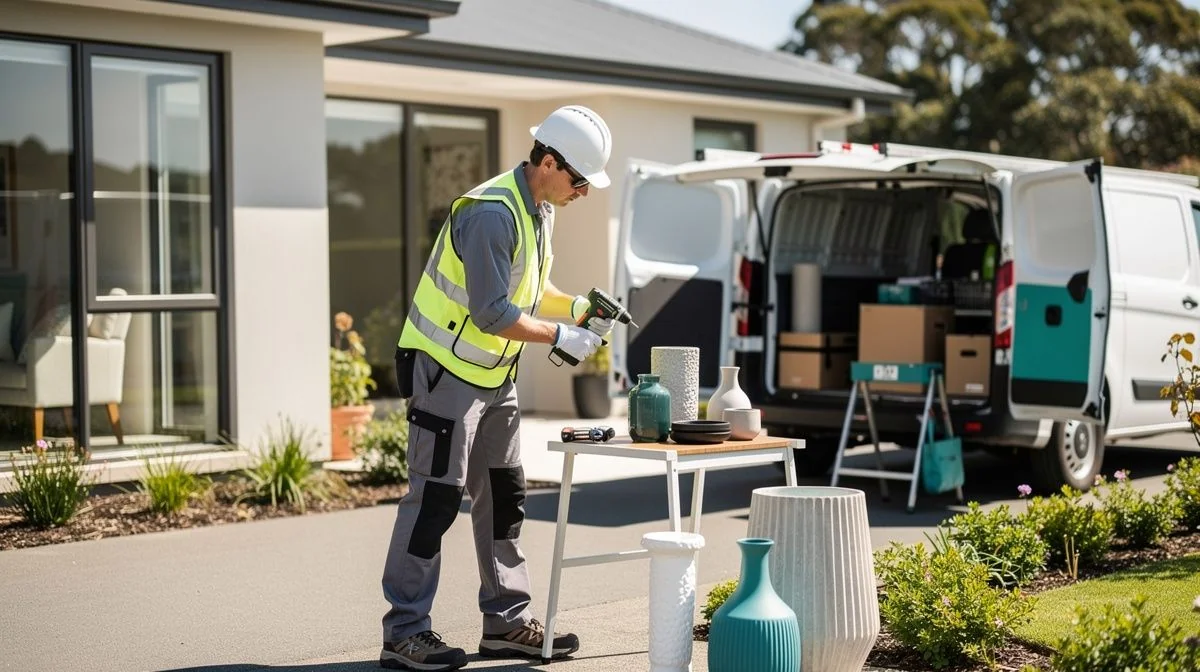
Selling your home in the Wairarapa is a big deal – whether you're in a character villa in Greytown, a lifestyle block near Carterton, or a modern home in Masterton. Making your property look its absolute best can mean the difference between a quick sale at a good price and weeks of open homes with little interest. That's where a professional home stager comes in.
Home staging is about presenting your property so buyers can imagine themselves living there. A good stager knows how to arrange furniture, choose colours, and style each room to appeal to the target market. In the Wairarapa market, that often means highlighting indoor-outdoor flow, maximising natural light, and playing up the region's relaxed but sophisticated vibe.
This guide will help you find the right home stager for your property, ask the right questions, and get the most out of the process.
What to Look for When Hiring a Home Stager in Wairarapa
Not all home stagers are the same. Here are the key things to check before you commit:
Local Experience
The Wairarapa property market has its own character. A stager who knows the local area will understand what buyers in Masterton expect compared to buyers in Martinborough. They'll know which suburbs appeal to families, which attract retirees, and how to style a rural property differently from a townhouse.
Ask if they've staged homes in your specific town or neighbourhood before. A stager with local experience will also have relationships with local real estate agents, photographers, and tradies – all useful when you're selling.
Portfolio and Style
Look at their past work. Do they have photos of properties similar to yours? Their style should complement your home's architecture, not overpower it. Good staging makes the property look lived-in but neutral enough for buyers to project their own tastes.
Be wary of stagers who use the same cookie-cutter approach for every home. The best ones tailor their furniture and accessories to suit the property's era, location, and price point.
Range of Services
Some stagers offer a full package – consultation, furniture hire, styling, and sometimes project management of minor repairs and painting. Others just provide a consultation and let you do the work yourself. Decide what level of help you need.
Common services include:
- Initial consultation and assessment
- Decluttering and depersonalising advice
- Furniture and accessory hire
- Artwork and soft furnishings
- Staging for photography and open homes
- Post-sale removal
Professional Affiliations
While there's no specific license required for home stagers in New Zealand, many belong to industry bodies such as the NZ Home Staging Association. Membership often means they adhere to a code of ethics and keep up with industry standards. It's not a must, but it's a good sign.
Key Questions to Ask Before Hiring
Before you sign anything, ask these questions:
- What's your staging process from start to finish? Get a clear timeline from the initial consultation to installation and removal.
- How long do you typically stage a property for? Most vendors stage for the first few weeks of listing, but it varies. Some stagers offer flexible periods.
- Do you provide furniture and accessories, or do I need to supply anything? Clarify what's included in the quote – some stagers bring everything, others expect you to keep certain items.
- Can you work with my existing furniture? If you have some good pieces, a stager may be able to work with them rather than hiring everything new. This can save you money.
- Do you have insurance? A professional stager should have public liability insurance and cover for damage to your property or their furniture.
- What happens if a piece of furniture gets damaged? Know who is responsible and whether there are extra charges.
- Do you work with specific real estate agents? Some stagers have preferred agents, but you're not obliged to use them. Just be aware of any potential conflicts of interest.
- What's the removal process after the property sells? Will they come back on short notice, or do you need to arrange a specific date?
Write down the answers and compare them across at least three stagers before making a decision.
Tips for Getting the Best Results
Home staging works best when you collaborate with the stager. Here's how to set yourself up for success:
Declutter First
Even the best stager can't work miracles if your home is overflowing with personal items. Before they arrive, pack away family photos, trophies, collections, and anything that makes the space feel cluttered. This also helps buyers imagine their own belongings in the space.
Consider renting a storage unit for a few weeks. It's a small cost that makes a big difference.
Be Open to Changes

The ValueHub Team built this site because finding clear, unbiased financial information in New Zealand was harder than it should be. Every guide is based on real research — we compare the actual fees, terms, and fine print so you don't have to. Our tip: shop around every year, read the policy docs, and never assume loyalty gets you the best deal.— The ValueHub Team
Try our Calculators
Use these free tools to crunch the numbers:
KiwiSaver Fund Comparison
Compare fees, returns, and risk levels across every KiwiSaver fund from all 31 NZ providers.
Currency Converter — USD to NZD
Convert US Dollars to New Zealand Dollars instantly. See the latest exchange rate and 30-day trend.
Mortgage Repayment Calculator
Calculate your weekly, fortnightly, or monthly mortgage repayments. Free NZ mortgage calculator — try different rates, terms, and repayment frequencies.
Compound Interest Calculator
See how your savings grow with compound interest over time. Free NZ compound interest calculator with yearly, monthly, and weekly compounding options.
Term Deposit Calculator
Calculate your term deposit returns before you lock in. Compare interest earned across different terms and rates with ValueHub's free calculator.
Savings Goal Calculator
Calculate how long it will take to reach your savings goal — and what monthly deposit you need to get there. Free NZ savings planner.
Home Stagers in Other Cities
Latest Guides & Reviews
New Zealand Financial Markets Authority Guide: Investor Protection in NZ
Protect your investments with this practical guide to the FMA — how to check licences, spot scams, and what to do if a provider fails. Verified against...
comparisonEV Home Charger NZ: Costs & Buying Guide
Compare EV home charger costs in NZ — verified prices from $1,299, installation fees, smart features, and what actually matters for your home's power supply.
guideThe Most Popular EVs in New Zealand
The best-selling electric cars in New Zealand, ranked by official registration data. Top BEV and PHEV models and brands, updated monthly.
guideEV Market Stats
New Zealand's EV market in numbers — market share, fleet size, top-selling models and used imports, updated with the latest NZTA and MIA data.