Best House Painters in Tauranga
Published 09 January 2025 · Updated 18 August 2026
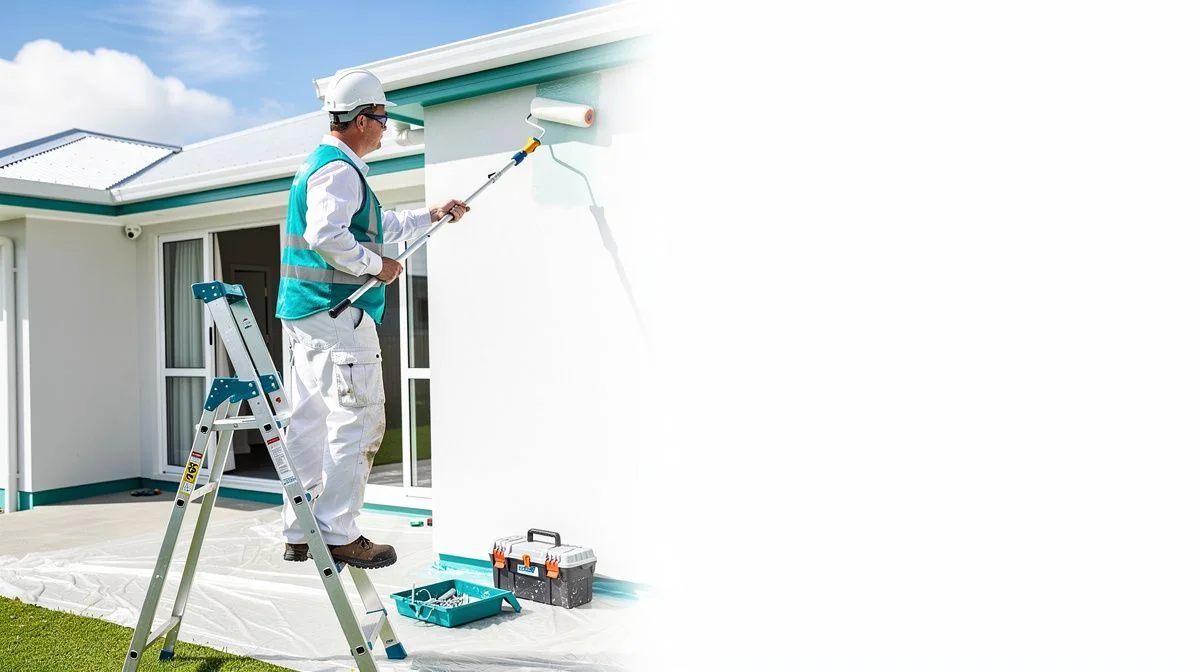
Best House Painters in Tauranga
Finding quality house painters in Tauranga can feel overwhelming with so many options available. Whether you're prepping your home for sale, freshening up the bach at Mount Maunganui, or giving your family home a complete makeover, getting the right painter makes all the difference. The Bay of Plenty's coastal climate brings unique challenges — salt air, humidity, and strong UV — so you need someone who understands local conditions.
A professional paint job protects your biggest investment and adds real value to your property. But not every painter delivers the same standard of work. That's where we come in. ValueHub connects you with trusted local tradespeople, so you can compare options with confidence.
What to Look for When Hiring a House Painter in Tauranga
Before you book anyone in, take time to check a few key things. A good painter will be happy to answer your questions and show you examples of their work.
- Local experience — Ask if they've worked on homes in Tauranga or the wider Bay of Plenty. Local knowledge means they'll recommend the right paint for our coastal weather.
- Insurance and guarantees — Make sure they have current public liability insurance and offer a written guarantee on their workmanship.
- References and photos — Request recent examples of similar jobs, ideally in your neighbourhood. A reputable painter will have a portfolio ready to share.
- Preparation process — Good preparation is the secret to a lasting finish. Ask how they handle surface prep, filling cracks, and priming.
Key Questions to Ask Before Hiring
Asking the right questions upfront saves headaches later. Here are the essentials:
- How long will the job take, and what's the estimated start date?
- Do you use a team or subcontractors on site?
- What brand and type of paint do you recommend, and why?
- Will you move furniture and cover our gardens and paths?
- Can you provide a detailed written quote with all costs itemised?
- What happens if we find an issue after the job is finished?
Don't be shy about asking for proof of qualifications or membership in a professional body like the Master Painters Association. It shows they take their trade seriously.
Tips for Getting the Best Results
You can do plenty to help the job go smoothly and the finish last longer. Start by clearing the area around your home — move pot plants, outdoor furniture, and vehicles away from the work zone. Trim back any shrubs or trees touching the house so the painters can access every surface.
Think about colours carefully. Tauranga's natural light can make shades look different than they do in the paint shop. Buy sample pots and test them on a small section of wall before committing. And consider the neighbourhood — a bold colour might stand out more than you'd like.
Finally, agree on a clear timeline and payment schedule before work begins. Most painters ask for a deposit, with the balance due on completion. Avoid paying the full amount upfront.
A Note About Costs and Getting Quotes
Painting costs in Tauranga vary depending on the size of your home, the condition of the surfaces, and the quality of paint you choose. As a rough guide, expect to pay more for two-storey homes or properties with intricate weatherboard details. Labour is the biggest expense, so don't skimp on prep work to save a few dollars — it always shows in the end.
We recommend getting at least three written quotes from different painters. This gives you a fair idea of the market rate and helps you spot any outliers. Check with your local council for current requirements around building consents if you're planning major exterior work. A detailed quote should list paint brands, number of coats, preparation steps, and cleanup responsibilities.
Ready to find the best house painters in Tauranga? Use ValueHub to compare local professionals and get the right team for your project.

The ValueHub Team built this site because finding clear, unbiased financial information in New Zealand was harder than it should be. Every guide is based on real research — we compare the actual fees, terms, and fine print so you don't have to. Our tip: shop around every year, read the policy docs, and never assume loyalty gets you the best deal.— The ValueHub Team
Try our Calculators
Use these free tools to crunch the numbers:
KiwiSaver Fund Comparison
Compare fees, returns, and risk levels across every KiwiSaver fund from all 31 NZ providers.
Currency Converter — USD to NZD
Convert US Dollars to New Zealand Dollars instantly. See the latest exchange rate and 30-day trend.
Mortgage Repayment Calculator
Calculate your weekly, fortnightly, or monthly mortgage repayments. Free NZ mortgage calculator — try different rates, terms, and repayment frequencies.
Compound Interest Calculator
See how your savings grow with compound interest over time. Free NZ compound interest calculator with yearly, monthly, and weekly compounding options.
Term Deposit Calculator
Calculate your term deposit returns before you lock in. Compare interest earned across different terms and rates with ValueHub's free calculator.
Savings Goal Calculator
Calculate how long it will take to reach your savings goal — and what monthly deposit you need to get there. Free NZ savings planner.
House Painters in Other Cities
Latest Guides & Reviews
New Zealand Financial Markets Authority Guide: Investor Protection in NZ
Protect your investments with this practical guide to the FMA — how to check licences, spot scams, and what to do if a provider fails. Verified against...
comparisonEV Home Charger NZ: Costs & Buying Guide
Compare EV home charger costs in NZ — verified prices from $1,299, installation fees, smart features, and what actually matters for your home's power supply.
guideThe Most Popular EVs in New Zealand
The best-selling electric cars in New Zealand, ranked by official registration data. Top BEV and PHEV models and brands, updated monthly.
guideEV Market Stats
New Zealand's EV market in numbers — market share, fleet size, top-selling models and used imports, updated with the latest NZTA and MIA data.