Best House Painters in Wanaka
Published 27 February 2025 · Updated 18 August 2026
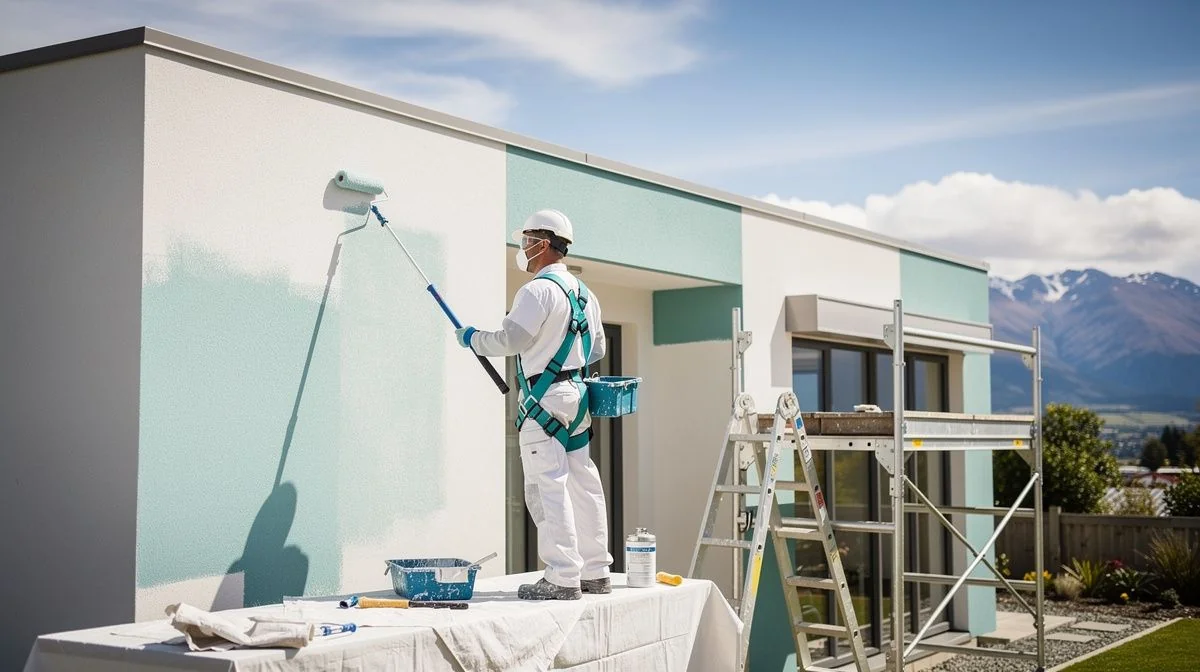
Finding House Painters in Wanaka
Wanaka’s stunning lake and mountain views bring unique challenges when it comes to painting your home. The Otago climate means frosty mornings, strong UV radiation, and occasional lake humidity — all of which can affect how paint adheres and lasts. Whether you’re refreshing a lakeside bach, a modern home in Albert Town, or a character cottage near the town centre, finding a house painter who understands local conditions makes all the difference.
There’s no national licensing requirement for painters in New Zealand, so doing a bit of homework upfront saves headaches later. In Wanaka, word-of-mouth recommendations are gold, but you’ll also want to check references, insurance, and how a painter handles the region’s particular challenges. This guide walks you through what to look for, what to ask, and how to get a finish that stands up to Central Otago’s weather.
What to Look for When Hiring a House Painter in Wanaka
Local Experience and Climate Knowledge
A painter based in Wanaka (or nearby like Cromwell or Queenstown) will know the local weather patterns. They’ll understand the importance of painting only when temperatures allow, and they’ll be familiar with the best primers and topcoats for high-UV environments. Ask how long they’ve worked in the region and whether they’ve painted homes similar to yours. A local can also advise on the best time of year to schedule the job — typically late spring through early autumn.
Insurance and Health and Safety
Always confirm the painter holds current public liability insurance (at least $1 million cover is standard in the trade). This protects you if there’s accidental damage to your property. Also ask about their health and safety practices — scaffolding, harnesses, and proper ladder setups are non-negotiable, especially on two-storey homes in Wanaka’s sometimes gusty conditions.
Written Quotes and Contract Details
A reputable painter provides a detailed, written quote that includes:
- Scope of work – exactly which surfaces, areas, and prep work
- Products and paint brand (e.g., Resene, Dulux, Taubmans) and specific colours if agreed
- Number of coats and any undercoats
- Timeline – start and estimated finish dates
- Payment schedule (deposit amounts and final payment terms)
Steer clear of anyone who gives a vague verbal estimate or asks for a large upfront deposit. A deposit of 10–30% is common, but never pay the full amount before work starts.
References and Completed Projects
Ask for at least three recent references from homes in the Wanaka area. If possible, drive past a couple of those properties (with the homeowner’s permission) to see the work in person. Look for even coverage, neat edges, and no signs of peeling or fading. Online reviews on Google or local Facebook groups can also be helpful, but don’t rely solely on them — a local painter’s reputation often travels by word of mouth.
Memberships and Accreditations
While not mandatory, painters who belong to associations like the New Zealand Certified Builders (NZCB) or are Registered Master Painters have access to training and dispute resolution services. Resene’s approved applicator programme is another sign of quality. These memberships aren’t a guarantee, but they often indicate a commitment to professional standards.
Key Questions to Ask Before Hiring
Before you sign any agreement, sit down with the painter (or have a detailed phone conversation) and ask these questions. Take notes so you can compare answers between quotes.
- How long have you been painting in Wanaka? – Local experience matters more than years in the trade elsewhere.
- What prep work do you include? – Proper prep (washing, scraping, sanding, filling, priming) is the key to a long-lasting job. Some painters charge extra for extensive prep.
- What paint brands and grades do you recommend and why? – They should explain why a particular product suits Wanaka’s environment.
- Do you use scaffolding or ladders? – For safety and finish quality, full scaffolding is preferred for high areas, though ladders can be acceptable for one-storey homes.
- What happens if the weather turns bad? – A clear schedule for managing rain delays shows they plan ahead.
- What warranty do you offer on your work? – Most professional painters give a 3–7 year workmanship warranty, separate from the paint manufacturer’s guarantee.
- Will you move furniture and cover plants and paths? – Some include this in the quote; others charge extra. Get it in writing.
- Can you provide a start date and a realistic finish date? – Wanaka painters can get busy in summer, so book well in advance.
Tips for Getting the Best Results
Choose the Right Season
Painting in Wanaka’s winter can be risky. Temperatures below 10°C affect paint curing, and frost can spoil a fresh coat. Aim for late spring (November), summer, or early autumn (March) when temperatures stay above 12–15°C and humidity is low. Even in summer, watch for afternoon Nor’west winds that blow dust onto wet paint — a good painter will work around wind conditions.
Don’t Skimp on Surface Preparation
The quality of your paint job is only as good as the preparation underneath. In Wanaka’s high-UV environment, old paint can become chalky or brittle. A thorough wash (often with a low-pressure wash), scraping loose paint, sanding, and applying a suitable primer are essential. Ask your painter exactly what prep work they’ll do, and if they recommend an oil-based primer for timber or a specific masonry sealer for plaster.
Consider UV Resistance and Colour Fading
Central Otago has some of the highest UV levels in New Zealand. Darker colours can fade more quickly, especially on north- or west-facing walls. A good painter will recommend paints with superior UV resistance, such as Resene’s Weathertite or Dulux

The ValueHub Team built this site because finding clear, unbiased financial information in New Zealand was harder than it should be. Every guide is based on real research — we compare the actual fees, terms, and fine print so you don't have to. Our tip: shop around every year, read the policy docs, and never assume loyalty gets you the best deal.— The ValueHub Team
Try our Calculators
Use these free tools to crunch the numbers:
KiwiSaver Fund Comparison
Compare fees, returns, and risk levels across every KiwiSaver fund from all 31 NZ providers.
Currency Converter — USD to NZD
Convert US Dollars to New Zealand Dollars instantly. See the latest exchange rate and 30-day trend.
Mortgage Repayment Calculator
Calculate your weekly, fortnightly, or monthly mortgage repayments. Free NZ mortgage calculator — try different rates, terms, and repayment frequencies.
Compound Interest Calculator
See how your savings grow with compound interest over time. Free NZ compound interest calculator with yearly, monthly, and weekly compounding options.
Term Deposit Calculator
Calculate your term deposit returns before you lock in. Compare interest earned across different terms and rates with ValueHub's free calculator.
Savings Goal Calculator
Calculate how long it will take to reach your savings goal — and what monthly deposit you need to get there. Free NZ savings planner.
House Painters in Other Cities
Latest Guides & Reviews
New Zealand Financial Markets Authority Guide: Investor Protection in NZ
Protect your investments with this practical guide to the FMA — how to check licences, spot scams, and what to do if a provider fails. Verified against...
comparisonEV Home Charger NZ: Costs & Buying Guide
Compare EV home charger costs in NZ — verified prices from $1,299, installation fees, smart features, and what actually matters for your home's power supply.
guideThe Most Popular EVs in New Zealand
The best-selling electric cars in New Zealand, ranked by official registration data. Top BEV and PHEV models and brands, updated monthly.
guideEV Market Stats
New Zealand's EV market in numbers — market share, fleet size, top-selling models and used imports, updated with the latest NZTA and MIA data.