Best House Washers in Wairarapa
Published 28 February 2025 · Updated 18 August 2026
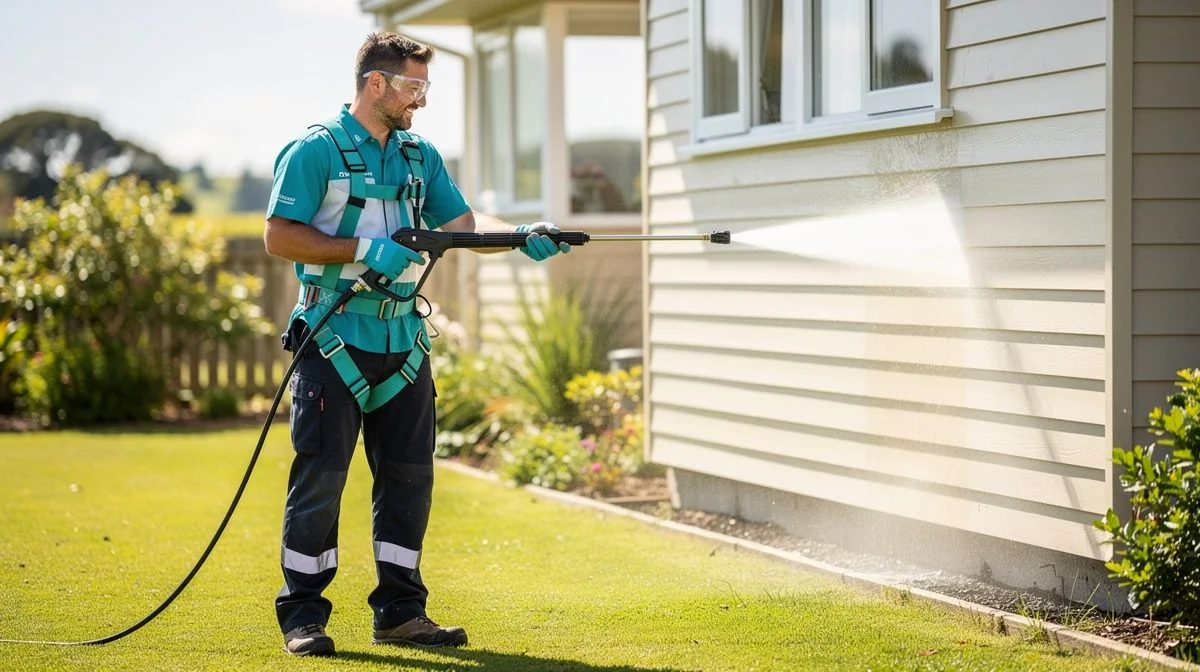
If you live in Wairarapa – whether it's Masterton, Carterton, Greytown, Martinborough or Featherston – you'll know that our homes face a fair bit of weather. Wind, rain, and that damp winter chill can leave your exterior looking tired. Over time, moss, lichen, and algae build up on roofs and walls, especially on south-facing sides or under big trees.
A professional house washer can bring your place back to life without you having to climb a ladder or risk damaging your paintwork. But finding the right person for the job isn't always straightforward. This page will help you sort through your options and choose a house washer you can trust.
What to look for when hiring a House Washer in Wairarapa
Not every house washer is the same. Some specialise in soft washing (low-pressure cleaning with biodegradable detergents) while others use high-pressure water. Each method suits different surfaces. Here's what to check when you're comparing.
Local experience
A Wairarapa-based operator will know the common issues in our region – like the black mould that appears on cedar weatherboards, or the lichen that thrives on north-facing roofs in the Martinborough dry. They'll also be familiar with local water supply restrictions, especially during summer.
Insurance and safety
Ask for public liability insurance. House washing involves working at height, using ladders on uneven ground, and handling chemicals. A professional should have cover in case of accidental damage to your property or injury to themselves. Also check if they use safety harnesses for roof work.
Equipment and cleaning methods
A reputable house washer will use the right equipment for your home's materials:
- Soft washing – low pressure plus cleaning solutions; ideal for painted timber, weatherboards, and roofs with tiles or shingles.
- Pressure washing – higher pressure; good for concrete driveways, patios, and brickwork, but can strip paint or etch glass if used incorrectly.
- Hot water systems – help shift stubborn grease and mould without harsh chemicals.
Ask what method they recommend for your house and why.
Environmental care
Runoff from cleaning chemicals can harm gardens, lawns, and local waterways. A responsible house washer will take steps to contain or dilute runoff, especially if you're near a stream or in a rural catchment. Ask about their approach to managing waste water.
References and reviews
Check recent reviews online or ask for references from previous Wairarapa customers. A reliable operator should be happy to put you in touch with someone they've worked for.
Key questions to ask before hiring
Before you book a house washer, have a quick chat or send an email with these questions. Their answers will tell you a lot about their professionalism.
- Are you fully insured? – Get a copy of their public liability certificate if possible.
- What cleaning method do you recommend for my house type? – You want a clear explanation, not a one-size-fits-all approach.
- Do you use eco-friendly cleaning products? – Some detergents are safer for plants and pets. Check if they can rinse your garden afterwards.
- How do you prepare the property before cleaning? – They should mention covering plants, moving outdoor furniture, and protecting electrical outlets.
- What's included in your quote? – Does it cover the whole house, both front and back? What about garage doors, fences, or paths?
- How long will the job take? – A standard 3-bedroom home on a single level usually takes 2–4 hours. Roofs add more time.
- What happens if it rains on the day? – Most cleaners will reschedule. Check their cancellation policy.
- Do you guarantee your work? – Some offer a satisfaction guarantee or will come back if you're not happy.
Tips for getting the best results
Once you've chosen a house washer, a little preparation on your part can make the job smoother and the outcome better.
- Clear the area – Move pot plants, garden furniture, barbecues, and children's toys away from the walls. Indoors, close windows and doors tightly.
- Trim back vegetation – Cut back branches and bushes that touch the house. This gives the washer full access and stops mould from returning quickly.
- Secure pets – The noise and unfamiliar visitor can stress animals. Keep dogs inside or in a secure yard away from the work area.
- Check the weather forecast – Ideally, choose a day that's overcast but dry. Direct sun can dry chemicals too quickly and leave streaks.
- Point out problem spots – Show the washer where you've noticed moss build-up, bird stains, or damp patches. They can give those areas extra attention.
- Ask for a post-wash walk-around – After they finish, inspect the job together. Check for missed areas, especially behind downpipes or under eaves, and confirm that all gutters are clear.
A note about costs and getting quotes
House washing costs can vary quite a bit depending on the size of your home, the level of dirt, and the cleaning method used. Because every property is different, it's best to get quotes from a few local house washers before deciding.
When you ask for a quote, be clear about what you want cleaned – just the walls, or the roof too? Include paths, patios, and decks in the scope. A detailed quote will list each area and the cleaning method planned.
Be wary of any price that seems significantly lower than others. A very cheap quote might mean the operator is cutting corners – using too much pressure, skipping insurance, or not properly treating mould. On the flip side, a very high quote doesn't guarantee better work. Trust your gut and compare like-for-like.
Most house washers in Wairarapa charge per hour or per job. For a typical 3-bedroom house, you might expect the job to take most of a morning. Some operators also offer a combination price if you add on a roof clean or driveway wash.
Remember that a professional job will extend the life of your paint

The ValueHub Team built this site because finding clear, unbiased financial information in New Zealand was harder than it should be. Every guide is based on real research — we compare the actual fees, terms, and fine print so you don't have to. Our tip: shop around every year, read the policy docs, and never assume loyalty gets you the best deal.— The ValueHub Team
Try our Calculators
Use these free tools to crunch the numbers:
KiwiSaver Fund Comparison
Compare fees, returns, and risk levels across every KiwiSaver fund from all 31 NZ providers.
Currency Converter — USD to NZD
Convert US Dollars to New Zealand Dollars instantly. See the latest exchange rate and 30-day trend.
Mortgage Repayment Calculator
Calculate your weekly, fortnightly, or monthly mortgage repayments. Free NZ mortgage calculator — try different rates, terms, and repayment frequencies.
Compound Interest Calculator
See how your savings grow with compound interest over time. Free NZ compound interest calculator with yearly, monthly, and weekly compounding options.
Term Deposit Calculator
Calculate your term deposit returns before you lock in. Compare interest earned across different terms and rates with ValueHub's free calculator.
Savings Goal Calculator
Calculate how long it will take to reach your savings goal — and what monthly deposit you need to get there. Free NZ savings planner.
House Washers in Other Cities
Latest Guides & Reviews
New Zealand Financial Markets Authority Guide: Investor Protection in NZ
Protect your investments with this practical guide to the FMA — how to check licences, spot scams, and what to do if a provider fails. Verified against...
comparisonEV Home Charger NZ: Costs & Buying Guide
Compare EV home charger costs in NZ — verified prices from $1,299, installation fees, smart features, and what actually matters for your home's power supply.
guideThe Most Popular EVs in New Zealand
The best-selling electric cars in New Zealand, ranked by official registration data. Top BEV and PHEV models and brands, updated monthly.
guideEV Market Stats
New Zealand's EV market in numbers — market share, fleet size, top-selling models and used imports, updated with the latest NZTA and MIA data.