Best Insurance Brokers in Dunedin
Published 11 September 2026 · Written by the ValueHub team · Reviewed by Steve Baron

Insurance Brokers in Dunedin: Cover for an Old City With a Steady Pulse
Dunedin's building stock does much of the talking in an insurance conversation. The city has an unusually large number of villas, pre-war commercial premises and heritage or institutional buildings, many with original wiring, ageing plumbing and timber windows that have taken decades of southerlies. Insurers assess those features carefully, because reinstatement often has to match original materials and methods rather than a modern replacement. Proper documentation often keeps a policy available instead of declined.
Cold, damp houses in a southern climate bring a second set of risks. Condensation, gradual damage and frozen or burst pipes are common causes of claims here, and insurers look at maintenance history and heating. A broker will ask the questions that reveal whether the risk has been managed, which usually works in your favour. The city's steady employment base in the university, the hospital and the port also supports a large population of contractors, consultants and professional firms.
For those firms, professional indemnity, public liability and income protection matter most, because a single claim can dwarf the fee earned on a contract. An ordinary modern house is straightforward enough to insure direct. Broking becomes valuable when the building is old or has heritage features, or when a property has previous claims and repairs that need explaining to an underwriter. A broker who knows heritage construction can set a defensible sum insured and argue it if the insurer disagrees.
How We Researched This Guide
This guide is aimed at Dunedin readers weighing up a broker. We used published provider pricing, commission information published by broking networks, and public guidance and enforcement statements from the Financial Markets Authority. Values are regional averages, so treat them as a guide rather than a precise figure for your own property.
Not everyone needs a broker. You can arrange a basic car or contents policy directly with little effort. Broking matters most when the building is old or heritage-listed, the risk is commercial or professional, or a household relies on one income.
Our Trusted Insurance Brokers
We feature businesses that demonstrate strong performance, proven experience, and consistently positive customer feedback. Some of the providers listed may have commercial relationships with us, but all are selected based on quality and reliability.
To begin, reach out to them and speak with them directly — this helps you explain your job, ask questions, and confirm whether they're the right fit.
At Navigate Insurance we are a 100% Dunedin owned and operated insurance brokerage. Founded in 2018 by Elliott & Sophie Taylor, who have over 15 years combined experience in the insurance industry and have been working locally within the Dunedin community since 2013.
The 60-Second Version
- The insurer generally pays insurance brokers' commission, and it is already included in the premium.
- Buying direct doesn't remove the commission, so a broker usually costs nothing extra.
- Some brokers charge a fee in place of commission, or a small administration fee on top — ask which.
- Advisers must disclose how they are paid, including the commission amount when it is known at the time.
- Regulated insurance advice requires a full Financial Advice Provider licence from the FMA.
- A broker acts for you rather than the insurer, which counts most when a claim is in dispute.
What a Dunedin Broker Actually Does
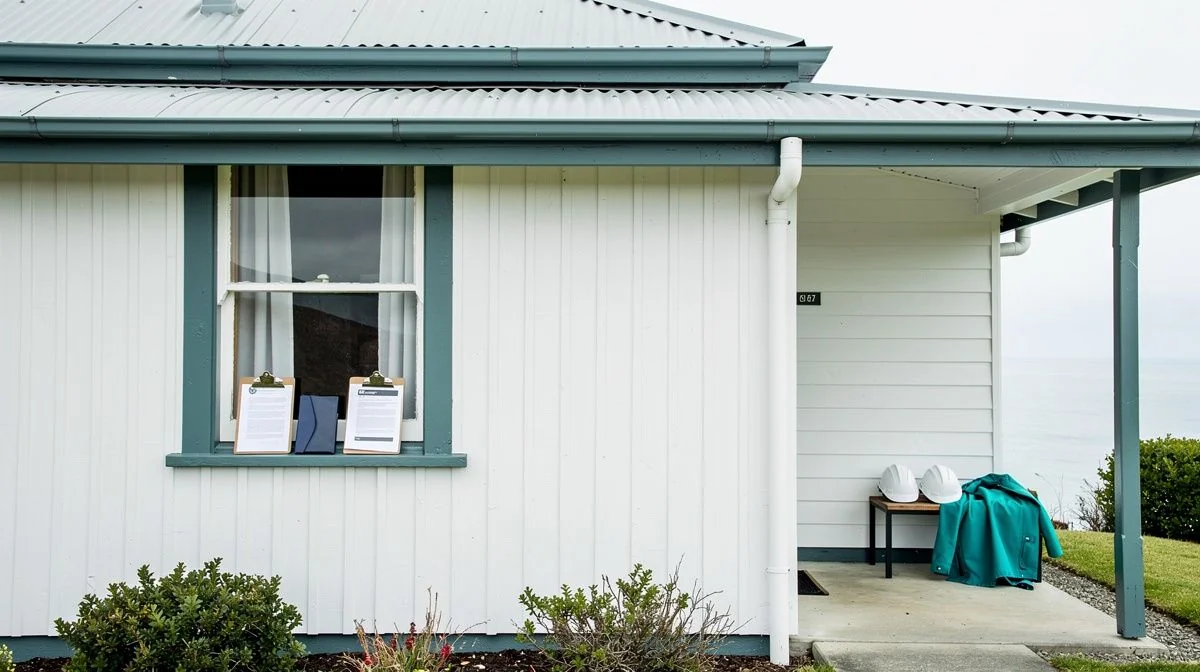
The work begins with an honest look at the building. Old Dunedin homes often have original wiring, ageing plumbing, timber windows and roofs that have seen decades of southerlies. Those features affect how an insurer views the risk and what it will exclude. A broker documents them properly, which is often what keeps a policy available rather than declined.
For commercial and professional clients, the emphasis shifts to liability and continuity. A practice or firm selling services faces exposure to claims of negligent advice, while a manufacturer or port-related business faces plant, stock, and interruption risk. A broker pulls those threads together before approaching the market.
What Insurance Broking Costs
The insurer normally funds broking through commission, which is built into the premium whether you use a broker or buy directly. That is why a broker usually costs no more than arranging the same cover yourself. You are not adding a cost; you are choosing who does the work and who represents you when something goes wrong.
Some brokers charge differently. They may levy a fee roughly equal to the commission, add a modest administration charge, or bill a flat fee for a defined task such as a risk review or a claim submission. Ask which model applies to you, and whether you'll also be charged a fee at renewal.
Disclosure is required by law. An adviser must explain how they are paid and provide the commission figure, where known at the time of the advice—evasiveness on this point is serious.
The Rules Behind the Advice
Anyone giving regulated insurance advice must hold, or operate under, a full Financial Advice Provider licence from the Financial Markets Authority. The licence brings duties around competence, record-keeping, complaints, and client care, and the regulator can revoke it.
The Code of Professional Conduct for Financial Advice Services sets the standard of care. It requires integrity, advice matched to your circumstances, clarity about what you are agreeing to, and transparent handling of conflicts of interest.
The FMA has made managing commission-based conflicts a priority enforcement focus, pointing to high upfront commissions on life, health and disability cover and inconsistent disclosure of ongoing servicing commissions. On life and disability policies, commission can reach a high percentage of the first year's premium. Ask what your adviser earns in the first year, and what they receive for servicing the policy afterwards.
Consumer credit regulation moved from the Commerce Commission to the FMA on 1 July, which leaves the FMA as the single conduct regulator for financial services. For anyone arranging finance alongside insurance, complaints and supervision now sit in one place.
Dunedin Risks That Shape Your Cover
Heritage and older building stock
Dunedin has an unusually large number of heritage and pre-war buildings, including villas, commercial premises and institutional structures. Insurers assess these carefully because reinstatement must often match original materials and methods, which costs more than a modern replacement. A broker who knows heritage construction can set a defensible sum insured.
Institutional and professional risk
The University of Otago, the hospital and the port anchor a steady employment base, and they support a large population of contractors, consultants and professional firms. Professional indemnity, public liability and income protection matter most in that world, where a single claim can dwarf the fee earned on a contract.
Cold, damp housing and burst pipes
Older, colder houses in a southern climate are prone to damp, condensation and frozen or burst pipes. These are common causes of gradual damage and escape-of-water claims, and insurers look at maintenance history and heating. A broker will ask the questions that reveal whether the risk has been managed.
A steady but stretched market
Dunedin's house price-to-income ratio sits around 6, above the historic range of 4 to 5. Even so, values have held up better than in most regions. Sums insured still need checking against current rebuild costs rather than assuming affordability translates into adequate cover.
Choosing an Insurance Broker in Dunedin
Match the broker to the property and the risk. A firm used to commercial and heritage buildings is the right fit for an older villa or city premises; a life and health adviser is the right fit for a household protecting its income. Ask how many insurers they can approach and who will manage the policy after placement.
Ask about reviews as well—an old building changes as it is maintained, and a business changes as it grows. A broker who revisits the cover each year is doing the job; one who just renews it is not.
Warning Signs
- Reluctance to explain commission or fees in writing.
- Recommending a single insurer without explaining what was compared.
- Pressure to sign the same day.
- No licence details on request.
- No plan to review cover as the building or business changes.
Questions You Might Have
Is a broker worth it for an ordinary house policy?
Sometimes not. If the house is modern and straightforward, direct cover works well. Broking becomes valuable when the building is old, has heritage features, or has previous claims and repairs that need explaining.
Will a broker raise my premium?
For the same cover, normally not, because commission is already inside the premium. What changes is the excess, the exclusions and the assistance you get when a claim is lodged.
How do I insure a heritage building?
Start with a broker who has placed heritage risk before, and expect reinstatement to be assessed on like-for-like materials. Ask what the policy says about matching original features and how they would be valued.
Can a broker help with a disputed claim?
Yes. A broker can test the insurer's position against the policy wording, gather reports and evidence, escalate internally and refer the matter to the disputes process if required.
What Matters Most
In Dunedin, the building often drives the policy. Check that the sum insured covers reinstatement rather than market value, that the insurer understands heritage features, and that professional or commercial exposure is written into the cover. Then confirm the person advising you will explain their pay and review the policy each year.
To compare firms working across the region, start with our insurance brokers directory and shortlist brokers who know the kind of risk you carry.

The ValueHub Team built this site because finding clear, unbiased financial information in New Zealand was harder than it should be. Every guide is based on real research — we compare the actual fees, terms, and fine print so you don't have to. Our tip: shop around every year, read the policy docs, and never assume loyalty gets you the best deal.— The ValueHub Team
Try our Calculators
Use these free tools to crunch the numbers:
KiwiSaver Fund Comparison
Compare fees, returns, and risk levels across every KiwiSaver fund — the most up to date data in New Zealand.
Currency Converter — USD to NZD
Convert US Dollars to New Zealand Dollars instantly. See the latest exchange rate and 30-day trend.
Mortgage Repayment Calculator
Calculate your weekly, fortnightly, or monthly mortgage repayments. Free NZ mortgage calculator — try different rates, terms, and repayment frequencies.
Compound Interest Calculator
See how your savings grow with compound interest over time. Free NZ compound interest calculator with yearly, monthly, and weekly compounding options.
Term Deposit Calculator
Calculate your term deposit returns before you lock in. Compare interest earned across different terms and rates with ValueHub's free calculator.
Savings Goal Calculator
Calculate how long it will take to reach your savings goal — and what monthly deposit you need to get there. Free NZ savings planner.
Insurance Brokers in Other Cities
Latest Guides & Reviews
Kōura KiwiSaver Scheme Review
Kōura KiwiSaver review: 13 open funds, fund charges from 0.63 to 1.10 per cent, and net returns to 30 June 2026.
reviewMaritime KiwiSaver Scheme Review
Maritime KiwiSaver review: 3 open funds, fund charges from 0.61 to 0.76 per cent, and net returns to 31 March 2026.
reviewMAS KiwiSaver Scheme Review
MAS KiwiSaver review: 7 open funds, fund charges from 0.25 to 0.98 per cent, and net returns to 30 June 2026.
reviewArotahi KiwiSaver Scheme Review
Arotahi KiwiSaver review: 1 open fund, a 0.77 per cent fund charge, and net returns to 31 March 2026. What the Government register shows you pay and get back.