Best Interior Designers in Whakatane
Published 04 March 2025 · Updated 18 August 2026
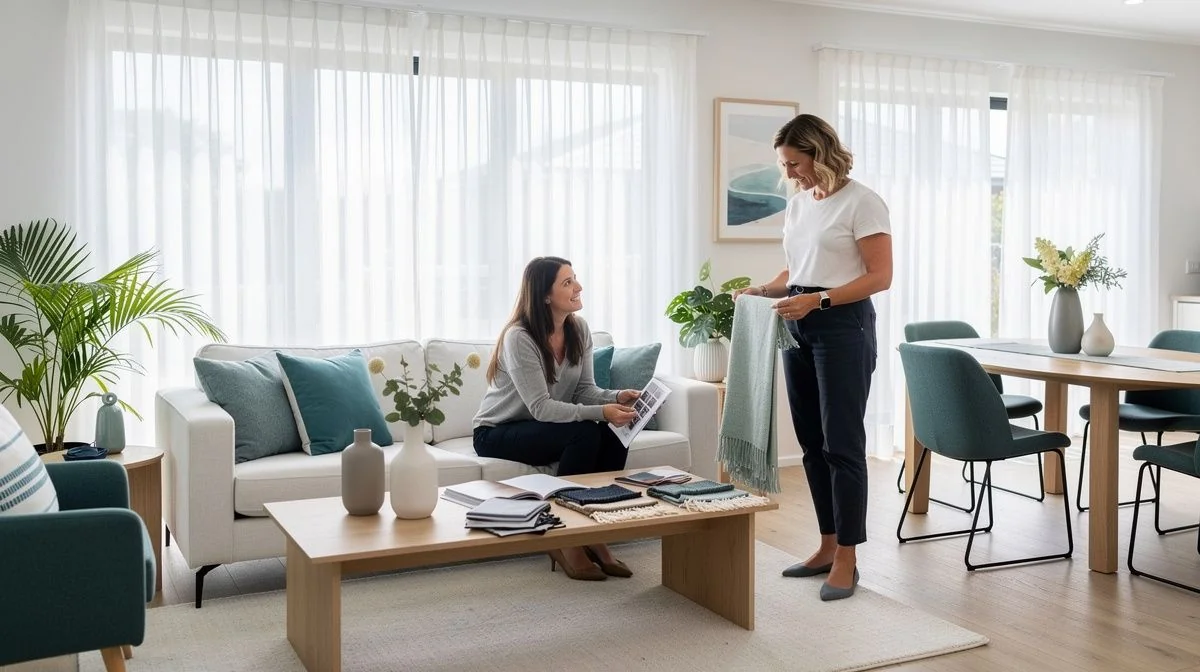
Whakatane is a special place – from its river views and coastal vibes to the character homes in the older suburbs and the newer developments popping up around town. Whether you're renovating a beachside bach on Ohope or giving your CBD apartment a fresh look, finding the right interior designer can make all the difference.
The best interior designers in Whakatane understand local architecture, the Bay of Plenty climate, and how to blend your personal style with practical, liveable spaces. But how do you choose someone who fits your project and your budget? Let's walk through what matters most.
What to look for when hiring an Interior Designer in Whakatane
Hiring an interior designer is a personal decision – they'll be working in your home or business for weeks or months. Here's what to keep an eye out for.
- Local experience. Designers who know Whakatane and the wider Bay of Plenty region often have a good sense of what works with our climate, building stock, and local suppliers. They'll know which joinery shops, paint suppliers, and fabric retailers are reliable nearby.
- Portfolio that matches your style. Look at their previous work – not just what's pretty, but what feels like your taste. If you love coastal, rustic, or minimalist looks, find someone who regularly works in that style.
- Professional memberships. While interior designers in New Zealand don't need a specific licence, many belong to professional bodies like the Designers Institute of New Zealand (DINZ) or are Registered Interior Designers (RID). These memberships show a commitment to standards and ongoing learning.
- Good communication. Your designer should listen carefully, explain their ideas clearly, and keep you updated. If they're hard to get hold of before you've hired them, that's a red flag.
- References from real clients. Ask to speak with a past client in Whakatane or the Bay of Plenty. A local reference can tell you how the designer handled site visits, project timing, and unexpected hiccups.
Key questions to ask before hiring
Once you've shortlisted a few designers, ask these questions to make sure they're the right fit for your project.
- What's your process from start to finish? This should cover the initial consultation, concept development, sourcing, installation, and project management.
- Do you offer a fixed fee, hourly rate, or a percentage of the project cost? Different designers charge in different ways – make sure you understand the pricing model upfront.
- Who will actually be doing the work? Sometimes a senior designer meets with clients but junior staff do the hands-on work. Ask exactly who you'll be working with day to day.
- What's your availability? A popular designer might have a waiting list. If you have a tight timeline, this matters.
- How do you handle sourcing and purchasing? Do you charge a markup on furniture and materials? Do you offer trade discounts that get passed on to you?
- What happens if the project goes over budget or hits delays? A good designer will have clear policies about change orders, contingency allowances, and communication during unexpected issues.
- Are you familiar with Whakatane District Council's requirements? If your project involves structural changes or new builds, your designer should know how to work with council consent processes – or when to bring in an architect or engineer.
Tips for getting the best results
Working with an interior designer is a collaboration. Here are some ways to make the partnership smooth and successful.
- Be honest about your budget from day one. Designers can't give you the best result if they don't know what you can realistically spend. It's okay to have a tight budget – a good designer will work within it.
- Share lots of inspiration. Collect photos, magazine clippings, Pinterest boards – anything that shows the feeling you're after. The more your designer understands your taste, the less back-and-forth there'll be.
- Trust the process. Interior designers often see possibilities you might not. Be open to suggestions, even if they push you slightly outside your comfort zone.
- Set clear decision points. Agree upfront when you need to approve colours, finishes, furniture selections, and budgets. This keeps the project moving and avoids surprise costs.
- Think long-term. Good design isn't just about trends – it's about creating a home that works for your life over the next five to ten years. Choose neutral foundations and add personality with easily changeable accessories.
- Consider the whole house, not just one room. A cohesive flow from room to room makes a home feel bigger and more intentional. Even if you're only redoing one space, your designer can help tie it into the rest of your home.
A note about costs and getting quotes
Interior design fees in New Zealand vary widely depending on the designer's experience, the project's complexity, and your location. In Whakatane, you might pay anywhere from $80 to $200 per hour for a senior designer, or a flat fee of a few thousand dollars for a single room consultation and concept plan.
Some designers charge a percentage of the total project cost – typically between 10% and 25%. Others work on a fixed fee for the whole job. Always ask for a written quote or proposal that breaks down what's included: consultation hours, concept drawings, sourcing time, project management, and any travel costs (especially if you're outside Whakatane town).
It's wise to get quotes from at least two or three designers before committing. That way you can compare their approach, style, and pricing. Don't automatically choose the cheapest option – a designer who understands your vision and communicates well is often worth paying a bit more for.
Also check whether the designer offers trade discounts on furniture, fabrics, or finishes. Some pass these savings on to you, which can significantly offset their fees. Ask upfront how that works.
Finally, remember that a good interior designer will save you money in the long run – by helping you avoid costly mistakes, getting the most out of your budget, and creating a home you truly love living in. For a project in Whakatane, taking the time to find the right fit is worth every minute.

The ValueHub Team built this site because finding clear, unbiased financial information in New Zealand was harder than it should be. Every guide is based on real research — we compare the actual fees, terms, and fine print so you don't have to. Our tip: shop around every year, read the policy docs, and never assume loyalty gets you the best deal.— The ValueHub Team
Try our Calculators
Use these free tools to crunch the numbers:
KiwiSaver Fund Comparison
Compare fees, returns, and risk levels across every KiwiSaver fund from all 31 NZ providers.
Currency Converter — USD to NZD
Convert US Dollars to New Zealand Dollars instantly. See the latest exchange rate and 30-day trend.
Mortgage Repayment Calculator
Calculate your weekly, fortnightly, or monthly mortgage repayments. Free NZ mortgage calculator — try different rates, terms, and repayment frequencies.
Compound Interest Calculator
See how your savings grow with compound interest over time. Free NZ compound interest calculator with yearly, monthly, and weekly compounding options.
Term Deposit Calculator
Calculate your term deposit returns before you lock in. Compare interest earned across different terms and rates with ValueHub's free calculator.
Savings Goal Calculator
Calculate how long it will take to reach your savings goal — and what monthly deposit you need to get there. Free NZ savings planner.
Interior Designers in Other Cities
Latest Guides & Reviews
New Zealand Financial Markets Authority Guide: Investor Protection in NZ
Protect your investments with this practical guide to the FMA — how to check licences, spot scams, and what to do if a provider fails. Verified against...
comparisonEV Home Charger NZ: Costs & Buying Guide
Compare EV home charger costs in NZ — verified prices from $1,299, installation fees, smart features, and what actually matters for your home's power supply.
guideThe Most Popular EVs in New Zealand
The best-selling electric cars in New Zealand, ranked by official registration data. Top BEV and PHEV models and brands, updated monthly.
guideEV Market Stats
New Zealand's EV market in numbers — market share, fleet size, top-selling models and used imports, updated with the latest NZTA and MIA data.