Best Land Surveyors in Kapiti
Published 06 March 2025 · Updated 18 August 2026
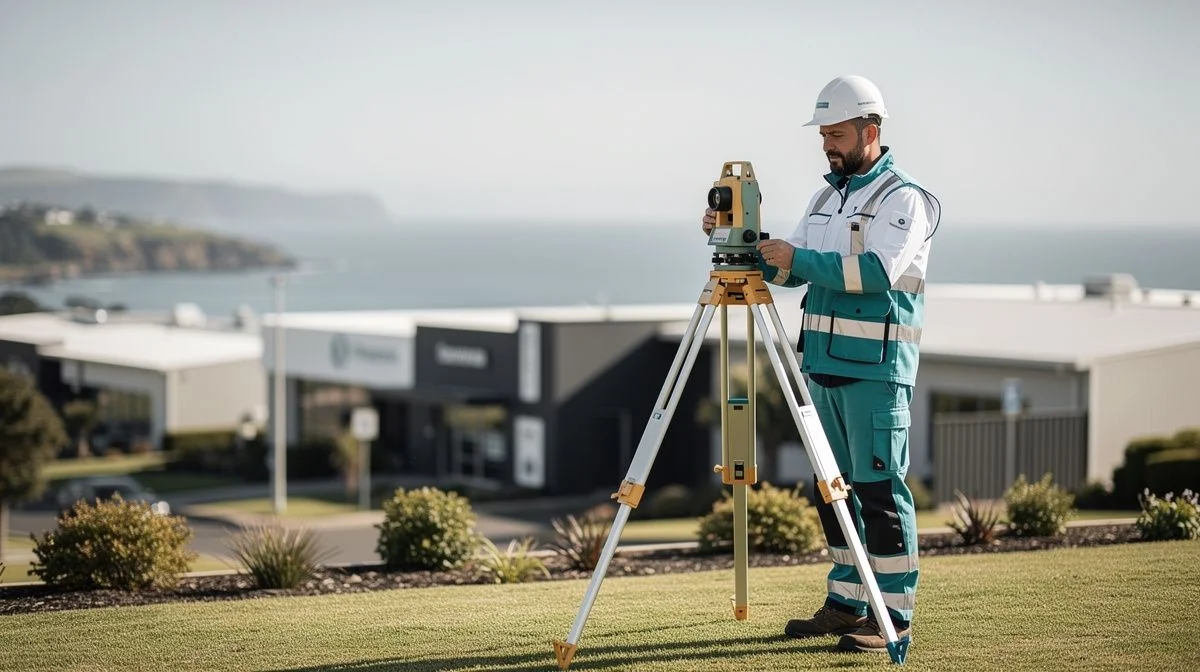
Best Land Surveyors in Kapiti
Finding a reliable land surveyor in Kapiti can feel like a big step — especially if you're building, subdividing, or sorting out a boundary dispute. Whether you live in Paraparaumu, Waikanae, Ōtaki, or somewhere in between, you need someone who knows the local landscape and council rules inside out. The right surveyor will save you time, money, and a whole lot of headaches.
Kapiti has its own set of quirks. The combination of coastal zones, steep hillsides, and expanding subdivisions means local knowledge matters. A surveyor who regularly works with the Kāpiti Coast District Council will understand the specific requirements for resource consents, building setbacks, and land transfer.
This guide covers what to look for, what to ask, and how to get the best outcome — without the jargon.
What to look for when hiring a Land Surveyor in Kapiti
Not all surveyors are the same. Some specialise in residential subdivisions, others focus on boundary redefinitions or topographical surveys. Here’s what to check before you make a decision.
Licensing and registration
In New Zealand, land surveyors must be licensed under the Cadastral Survey Act 2002. Look for a surveyor who is a Licensed Cadastral Surveyor (LCS) — this means they are legally qualified to complete survey work that goes onto the official land title. You can verify their registration on the Land Information New Zealand (LINZ) website.
Local experience
A surveyor based in or near Kapiti will already know the council’s subdivision guidelines, the local soil types, and the flood-prone areas. This can speed up your consent process significantly. Ask how many projects they’ve done in your suburb or neighbourhood.
Insurance and professionalism
Professional indemnity insurance is non-negotiable. If something goes wrong with a boundary pegging or a subdivision plan, you want cover. Also check if they are members of the New Zealand Institute of Surveyors (NZIS) — it shows they follow a code of ethics.
Clear communication
Surveying can be technical. A good surveyor explains things in plain English — what they’ll measure, what the report will show, and what the next steps are. If they rush through explanations or use too much jargon, that’s a red flag.
Key questions to ask before hiring
Before you commit, have a chat with two or three surveyors. Here are the questions that matter.
- What type of survey do I need? — Boundary survey, topographical survey, subdivision scheme plan? Make sure they can clearly describe the scope.
- Do you have recent experience with the Kāpiti Coast District Council? — Surveyors familiar with local planners can often avoid common delays.
- What’s included in your quote? — Ask for a written breakdown: field work, drafting, council lodgement fees, and any extra costs for peg installation or title registration.
- How long will it take? — Timelines vary. A simple boundary pegging might be a few weeks; a subdivision can take several months. Get a realistic estimate in writing.
- Do you handle the council consent process? — Many surveyors will manage the resource consent application for a subdivision, saving you the paperwork.
- Will you provide a LINZ approved survey plan? — Only a Licensed Cadastral Surveyor can issue a plan that LINZ will accept.
Tips for getting the best results
A bit of preparation on your side makes the surveyor’s job easier — and can keep costs down.
Have your property documents ready
Dig out your title, previous survey plans, and any LIM reports. If you have an old survey (even decades old), it can help the surveyor see what’s already known.
Mark any visible boundaries
If you have fences, driveways, or building edges that you think are on the boundary, let the surveyor know. Don’t assume anything — surveyors will check legally, not by eye.
Talk to your neighbours early
If your survey involves a boundary fence or shared access, a quick chat with your neighbour can avoid disputes. It’s not compulsory, but it smooths the process.
Ask about vegetation clearance
Surveyors need clear lines of sight along boundaries. If you have overgrown shrubs or trees, you might need to trim them back before the survey date. The surveyor should tell you this well in advance.
Be realistic about timelines
Council processing times for subdivisions can vary. The surveyor can give you an estimate, but delays happen — especially in busy seasons. Build in some buffer time if you’re working to a deadline.
A note about costs and getting quotes
Land survey costs in Kapiti depend on the type of work, the size of the property, and how complex the boundaries are. A simple boundary redefinition might cost a few hundred dollars, while a full subdivision survey with consent processing can run into the thousands. There is no standard price list — every site is different.
The best way to understand costs is to get at least three written quotes. Ask each surveyor to break down their fees so you can compare like for like. Some surveyors charge by the hour for fieldwork, others quote a fixed price for the whole job. Make sure you know which one you’re getting.
Be wary of quotes that seem much lower than the others — they might cut corners or add surprise charges later. A clear, itemised quote from a surveyor with solid Kapiti experience is usually worth a bit more upfront.
Most surveyors will give you a free initial phone consultation. Use that call to assess their communication style and get a ball

The ValueHub Team built this site because finding clear, unbiased financial information in New Zealand was harder than it should be. Every guide is based on real research — we compare the actual fees, terms, and fine print so you don't have to. Our tip: shop around every year, read the policy docs, and never assume loyalty gets you the best deal.— The ValueHub Team
Try our Calculators
Use these free tools to crunch the numbers:
KiwiSaver Fund Comparison
Compare fees, returns, and risk levels across every KiwiSaver fund from all 31 NZ providers.
Currency Converter — USD to NZD
Convert US Dollars to New Zealand Dollars instantly. See the latest exchange rate and 30-day trend.
Mortgage Repayment Calculator
Calculate your weekly, fortnightly, or monthly mortgage repayments. Free NZ mortgage calculator — try different rates, terms, and repayment frequencies.
Compound Interest Calculator
See how your savings grow with compound interest over time. Free NZ compound interest calculator with yearly, monthly, and weekly compounding options.
Term Deposit Calculator
Calculate your term deposit returns before you lock in. Compare interest earned across different terms and rates with ValueHub's free calculator.
Savings Goal Calculator
Calculate how long it will take to reach your savings goal — and what monthly deposit you need to get there. Free NZ savings planner.
Land Surveyors in Other Cities
Latest Guides & Reviews
New Zealand Financial Markets Authority Guide: Investor Protection in NZ
Protect your investments with this practical guide to the FMA — how to check licences, spot scams, and what to do if a provider fails. Verified against...
comparisonEV Home Charger NZ: Costs & Buying Guide
Compare EV home charger costs in NZ — verified prices from $1,299, installation fees, smart features, and what actually matters for your home's power supply.
guideThe Most Popular EVs in New Zealand
The best-selling electric cars in New Zealand, ranked by official registration data. Top BEV and PHEV models and brands, updated monthly.
guideEV Market Stats
New Zealand's EV market in numbers — market share, fleet size, top-selling models and used imports, updated with the latest NZTA and MIA data.