Best Land Surveyors in West Coast
Published 06 March 2025 · Updated 18 August 2026
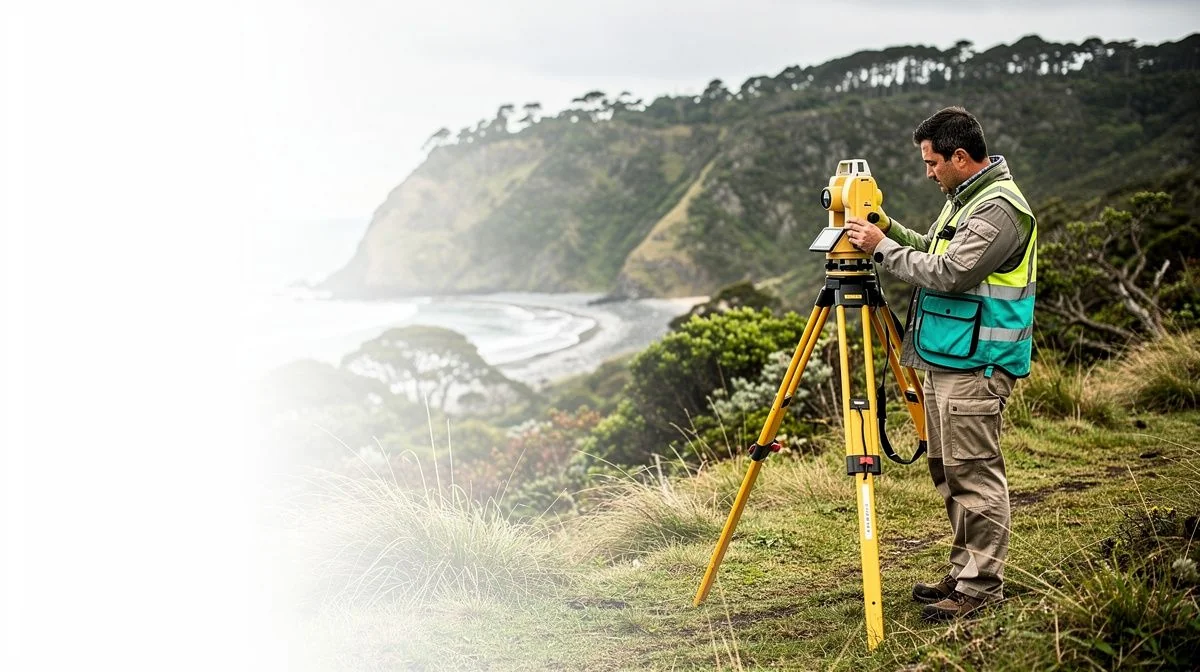
Finding the Right Land Surveyor on the West Coast
Whether you’re subdividing a section near Greymouth, building a new home in Hokitika, or sorting out a boundary dispute on a rural block, a good land surveyor is essential. The West Coast has its own unique challenges – think steep terrain, flood-prone areas, and historic mining claims – so you need someone who knows the local landscape and councils.
This guide will help you find a reliable surveyor, ask the right questions, and get the best results for your project. Let’s walk through what matters most.
What to Look for When Hiring a Land Surveyor in West Coast
Not all surveyors are the same. Here’s what sets the best apart on the Coast.
Local Knowledge and Experience
West Coast councils (like Grey District, Westland District, and Buller District) each have their own planning rules and consent processes. A surveyor who regularly works with these councils will know the ins and outs – for example, how to handle easements for old mining tunnels or what setbacks apply near the coast.
Ask how many years they've worked on the Coast and whether they've handled similar projects to yours.
Registration and Licensing
In New Zealand, land surveyors must be licensed under the Cadastral Survey Act 2002. Look for a Licensed Cadastral Surveyor (sometimes shown as "LCS" or "Licensed Surveyor"). You can verify their status on the LINZ website.
Also check they are a member of the New Zealand Institute of Surveyors (NZIS) – it’s a good sign of professionalism.
Clear Communication
Surveying can involve complex legal descriptions and technical plans. The best surveyors explain things in plain English – like what a "peg" means for your boundary, or how a "right of way" affects your driveway. If they’re vague or impatient, that’s a red flag.
Track Record with Similar Projects
Ask for examples of recent work. For instance, have they done subdivision approvals on the Coast recently? Boundary redefinition on a road frontage near State Highway 6? Topographic surveys for building platforms on sloped sections? Past work shows they understand local conditions.
Insurance and Equipment
Professional indemnity insurance is standard – it protects you if their advice is wrong. Also, modern surveyors use GPS, drones, and laser scanners. On the Coast, where bush and weather can be challenging, having robust equipment matters.
Key Questions to Ask Before Hiring
Don’t be shy – ask these questions directly. A good surveyor will welcome them.
- Are you a Licensed Cadastral Surveyor? – This is non-negotiable for any work involving legal boundaries.
- How many similar jobs have you done on the West Coast in the last year? – Local experience reduces surprises.
- What’s the likely time frame from start to completion? – Delays often happen with council consents, but they should give a realistic estimate.
- What will you need from me? – For example, old title documents, existing plans, or access to the property.
- Do you handle the council consent paperwork too? – Some surveyors do this as part of the service, saving you hassle.
- What happens if the boundary is different from what I thought? – They should explain the process for adjusting boundaries or negotiating with neighbours.
- Can you provide a fixed price or a detailed quote? – Beware of quotes that leave out travel, council fees, or unexpected issues.
Tips for Getting the Best Results
You can make the whole process smoother and avoid common headaches.
Prepare Your Property
Clear vegetation along fence lines, gates, and corners. Surveyors need clear sight lines for their equipment. Also, mark any existing pegs or survey marks you know about – it saves time.
Talk to Your Neighbours Early
If your survey involves boundaries, give neighbours a heads-up. They may need to be present or give permission to access their land. A little courtesy can prevent friction later.
Understand Your Goals
Be clear about what you need. Is it just a boundary pegging? A full topographical survey for building design? A subdivision consent? The more specific you are, the better the quote and result.
Check Council Requirements First
Before you hire anyone, visit your local council’s website or call their planning department. Find out what they require for your type of project. That way, you can discuss with the surveyor whether their approach meets those rules.
Keep a Paper Trail
Save all emails, quotes, and notes from meetings. If anything goes wrong – like a boundary dispute years later – you’ll have clear records.
A Note About Costs and Getting Quotes
Surveying costs on the West Coast vary depending on the job. Simple boundary redefinition might cost anywhere from a few hundred to a couple of thousand dollars. Subdivision consents and topographical surveys for large sites can run into several thousand.
Factors that affect price include:
- Size and accessibility of the property (steep bush blocks cost more)
- Distance the surveyor travels (West Coast covers a lot of ground)
- Complexity of records (historic titles might need extra research)
- Council fees (these are separate and vary by district)
Always get at least three written quotes from licensed surveyors. Compare not just the price, but what’s included – some quotes might exclude travel time, council lodgement fees, or final plans.
Be wary of very low quotes – they may cut corners on accuracy or skip important steps. On the other hand, the most expensive option isn’t always the best. Look for value: a fair price for clear, reliable work.
When you receive quotes, ask for a breakdown. That way you can see exactly where your money is going – fieldwork, office processing, council submissions, or GST.
Finally, remember that a good surveyor saves you money in the long run by getting the job done right the first time. Mistakes on boundaries or consents can be expensive to fix later.

The ValueHub Team built this site because finding clear, unbiased financial information in New Zealand was harder than it should be. Every guide is based on real research — we compare the actual fees, terms, and fine print so you don't have to. Our tip: shop around every year, read the policy docs, and never assume loyalty gets you the best deal.— The ValueHub Team
Try our Calculators
Use these free tools to crunch the numbers:
KiwiSaver Fund Comparison
Compare fees, returns, and risk levels across every KiwiSaver fund from all 31 NZ providers.
Currency Converter — USD to NZD
Convert US Dollars to New Zealand Dollars instantly. See the latest exchange rate and 30-day trend.
Mortgage Repayment Calculator
Calculate your weekly, fortnightly, or monthly mortgage repayments. Free NZ mortgage calculator — try different rates, terms, and repayment frequencies.
Compound Interest Calculator
See how your savings grow with compound interest over time. Free NZ compound interest calculator with yearly, monthly, and weekly compounding options.
Term Deposit Calculator
Calculate your term deposit returns before you lock in. Compare interest earned across different terms and rates with ValueHub's free calculator.
Savings Goal Calculator
Calculate how long it will take to reach your savings goal — and what monthly deposit you need to get there. Free NZ savings planner.
Land Surveyors in Other Cities
Latest Guides & Reviews
New Zealand Financial Markets Authority Guide: Investor Protection in NZ
Protect your investments with this practical guide to the FMA — how to check licences, spot scams, and what to do if a provider fails. Verified against...
comparisonEV Home Charger NZ: Costs & Buying Guide
Compare EV home charger costs in NZ — verified prices from $1,299, installation fees, smart features, and what actually matters for your home's power supply.
guideThe Most Popular EVs in New Zealand
The best-selling electric cars in New Zealand, ranked by official registration data. Top BEV and PHEV models and brands, updated monthly.
guideEV Market Stats
New Zealand's EV market in numbers — market share, fleet size, top-selling models and used imports, updated with the latest NZTA and MIA data.