Best Locksmiths in Palmerston North
Published 11 September 2026 · Written by the ValueHub team · Reviewed by Steve Baron
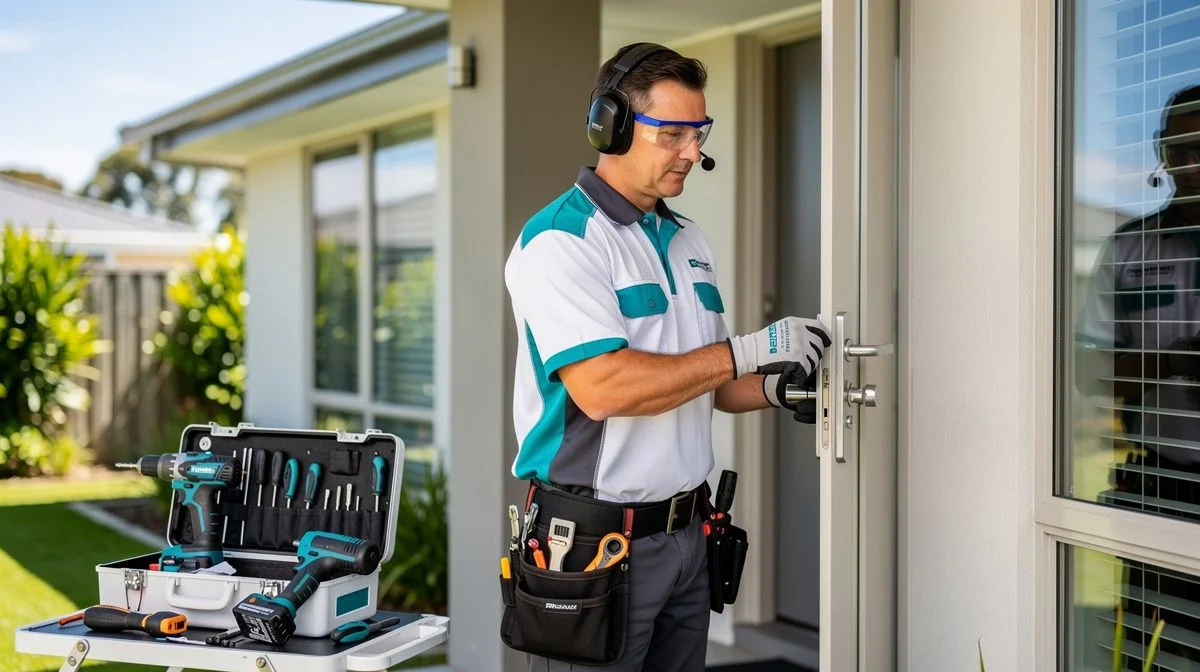
Palmerston North Locksmiths: Rental Turnover and Student Flats
Few cities turn over rental keys as often as Palmerston North. A large student population and a constant flow of tenants combine to make lock changes a routine part of managing property here. Around the university, keys pass through many hands in a year, and flatmates often make copies freely. Rekeying at the end of a tenancy is the only reliable way to know who still holds a working key, and restricted keys at $15 to $80 each suit landlords who want real key control.
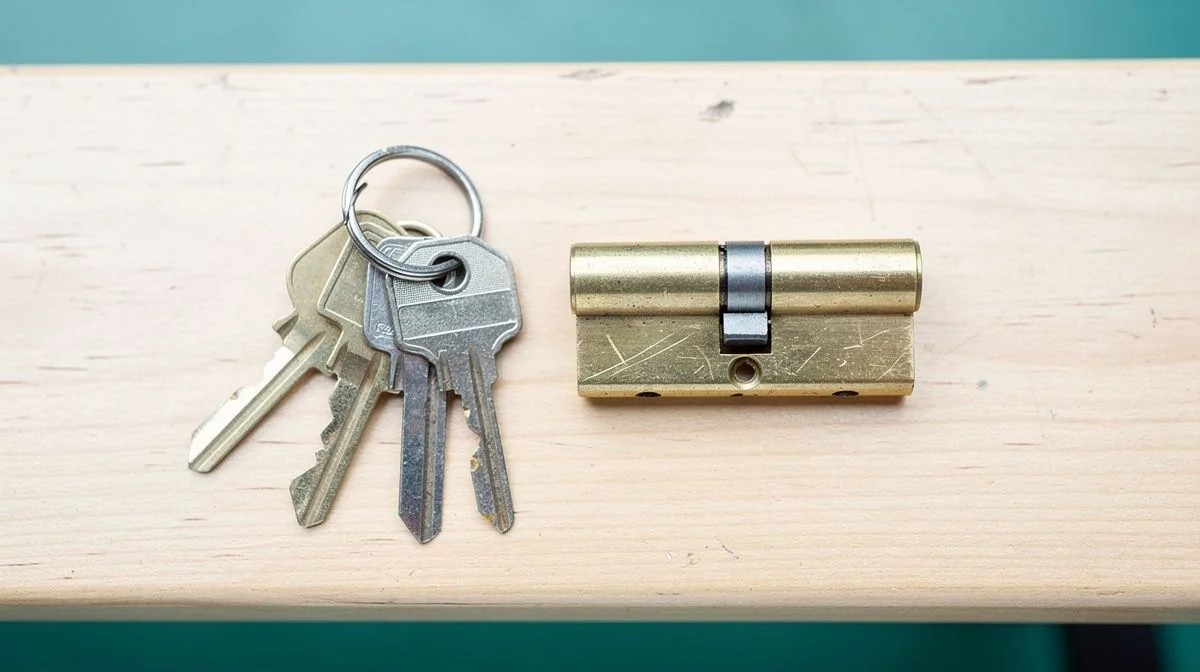
The work is about keys changing hands rather than break-ins, and much of it sits in older flats. A cylinder worn smooth by years of different keys hasn't been attacked, and hasn't failed outright. It is simply finished, and it will keep jamming until it is replaced. Wear, not force, is what ends most local cylinders, which is why a rekey at $60 to $180 per cylinder is usually the right call at a changeover.
Food processing, logistics, and rural services employ many people across shifts, so commercial premises need master key systems that let supervisors, cleaners, and contractors each hold a key that opens only what they should. Out on the surrounding farmland, the work is gates, sheds and padlocks rather than front doors. Distance matters, and rural call-outs are priced differently, so state where the property is when you ring and confirm the travel cost first.
How We Researched This Guide
We looked at the rental and student-let cycle first, because it drives most of the local workload, then at the industrial and rural work that fills out the rest. Then we compared how lower North Island firms price their services.
Pricing across firms is close enough that the ranges hold up well. The security advice is practical: cylinders wear, cheap hardware fails first, and a door that does not sit square defeats good locks.
Our Trusted Locksmiths
We feature businesses that demonstrate strong performance, proven experience, and consistently positive customer feedback. Some of the providers listed may have commercial relationships with us, but all are selected based on quality and reliability.
To begin, reach out to them and speak with them directly — this helps you explain your job, ask questions, and confirm whether they're the right fit.
Are you looking for a locksmith in Manawatu or beyond? Manawatu Locksmiths offers a wide range of locksmith services.
The 60-Second Version
The essentials, in six lines.
- Most locksmith jobs nationally fall between $80 and $300 depending on the work and the time of day.
- An emergency lockout in standard hours is $80–$200, commonly around $130.
- Rekeying a cylinder is $60–$180, commonly around $120, and suits the end of most tenancies.
- A legitimate locksmith always asks for identification and proof of address before opening a door.
- Get a total in dollars before dispatch, and ask whether the call-out is included or charged on top.
A Lockout, a Rekey and a Replacement Are Three Different Jobs
Three different jobs get sold as one, and the customer usually ends up paying for the most expensive. Knowing what you actually need saves you most of the bill.
A lockout is about getting in. The lock works perfectly, and you don't have a key, so a locksmith opens the door without damaging it, and you keep the same hardware.
A rekey is about who holds a key. The hardware stays on the door, and the cylinder's internal pins are changed, so every key that existed before stops working. At $60–$180 per cylinder, it is the cheapest way to close a security gap.
A replacement is about the lock itself. It has failed, been forced or does not suit the door. Complete replacement runs $100–$350, with deadbolts commonly $150–$350 and lever sets $120–$280.
Older Palmerston North flats add a fourth case. A cylinder worn smooth by years of different keys hasn't been attacked, and hasn't failed outright. It is finished, and it will keep jamming until it is replaced.
What Locksmith Work Costs in Palmerston North
Palmerston North sits mid-range nationally: cheaper than Auckland, and roughly in line with other regional cities of its size.
| Service | Typical price |
|---|---|
| Standard daytime call-out | $60–$120 |
| House lockout, standard hours | $80–$200, commonly around $130 |
| Car lockout | $80–$200, commonly around $120 |
| After-hours surcharge | An extra $50–$150 |
| Rekey, per cylinder | $60–$180, commonly around $120 |
| Complete lock replacement | $100–$350 |
| Basic car key | $100–$200 |
| Transponder car key | $150–$300 |
| Smart or keyless entry key | $250–$400 and up |
| Standard key cutting | $5–$30 each |
Ranges from published New Zealand locksmith pricing. Rates are higher in the main centres, especially Auckland.
Who a Locksmith Should Ask You to Be
Locksmiths are hired to defeat locks. It is legitimate work, and it is also the exact service a burglar would want to hire. What separates the trade from the crime is whether the person asking has a right to be inside.
So the honest operators ask. You should expect a request for photo identification, and for the address on it to match the property. In a rental-heavy city, mismatches are normal, because plenty of people move without updating a licence.
Expect a second proof when the address doesn't line up — a tenancy agreement, a power bill, a rates notice, a bank statement, or confirmation from a landlord or neighbour.
A locksmith who will open any door for anyone, with no checks at all, is not offering a friendly service. They are running something a criminal can use. Treat the absence of questions as a warning.
Why the Cheapest Cylinder Is Nearly Always the Weak Point
Locks carry security ratings, and those ratings measure resistance to attack rather than finish quality. Two cylinders can look identical on the shelf and behave completely differently under force. A lock is only as strong as its cheapest component, and on most doors that is the cylinder.
Cheap cylinders fail in predictable ways. Suppose the cylinder protrudes past the door furniture; someone can grip it and snap it. Soft metals can be drilled. And in the flats around the university, plain wear finishes them off long before anyone attacks them. Ask about the cylinder, the strike plate and the frame.
Getting a Price Agreed Before Work Begins
The most common complaint about locksmiths is a final bill that looks nothing like the phone quote. It almost always comes down to the same missing step: nobody agreed a total before the job was dispatched.
Ask for the dollar amounts before anyone is sent. Ask what the call-out includes, and whether it is absorbed into the job price or added to it. Then confirm whether an after-hours surcharge applies, and whether parts are charged separately.
One more point saves real money. National call-centre networks often sit between you and the local locksmith, taking a margin the tradesperson never sees. Ask where the firm is based, and prefer one you can call back.
Warning Signs
- No proof of identity requested. An operator who opens anything for anyone is a risk, not a bargain.
- No total before dispatch. A price agreed afterwards is not a quote; it is an invoice.
- Drilling as the first option. Non-destructive entry should come first; drilling needs your consent.
- No interest in the cylinder or frame. Anyone selling hardware without checking those is guessing.
Palmerston North Factors That Change the Job
Three local realities shape the advice a locksmith gives here.
The Student Letting Cycle Drives the Calendar
Around the university, keys pass through many hands in a year, and flatmates often make copies freely. Rekeying at the end of a tenancy is the only reliable way to know who still holds a working key. Restricted keys at $15–$80 each suit landlords who want real key control.
Industry and Logistics Need Master Key Systems
Food processing, logistics and rural services employ many people across shifts. Commercial premises need master key systems so supervisors, cleaners and contractors each hold a key that opens only what they should. Every departure should remove access, which is why restricted keyways are common.
Rural and Lifestyle Blocks Are Their Own Category
Out on the surrounding farmland, the work is gates, sheds and padlocks rather than front doors. Distance matters, and rural call-outs with long travel times are priced differently, so say where the property is when you ring and confirm the travel code.
Renters, Owners and the End of a Tenancy
Your rights and the practical steps differ depending on whether you rent or own, and the end of a relationship complicates both.
If You Are a Tenant
Do not change the locks yourself. Contact the landlord or property manager, explain why — a break-up is a legitimate reason — and get agreement in writing. Expect them to want a working key, and agree who pays before work starts.
If You Own the Property
You can rekey immediately, and you should after a break-up. At $60–$180 per cylinder, it is quick and inexpensive. Don't stop at the front door: garage remotes, keypad codes, and any hidden spare keys need dealing with too.
When a Tenancy Ends
When a flat empties, nobody knows how many key copies were made. That is the moment for a full rekey, not a guess. For landlords, building it into the changeover routine is cheaper than dealing with it later.
Questions You Might Have
Can a locksmith get me in without breaking the lock?
Almost always. Non-destructive entry is standard and leaves the lock working. Drilling is reserved for seized or failed mechanisms, and you should be told before it happens.
Is rekeying cheaper than a new lock?
Yes, usually by a good margin. Rekeying runs $60–$180 per cylinder and keeps your existing hardware. Replace only when the lock is worn, damaged or wrong for the door.
Do landlords have to change the locks between tenants?
There is no blanket rule forcing it, but it is sensible practice, and many landlords build it into the changeover. If you are refused without reason, put the request in writing.
What Matters Most
Palmerston North is a city of changeovers. Keys move between tenants, flatmates and staff more often here than the hardware was ever designed for, and the fix is usually a rekey rather than a new lock.
The two habits that protect you are simple. Fix the price in dollars before anyone is dispatched, and never resent being asked to prove where you live. For how this trade works elsewhere, see our main locksmiths guide.

The ValueHub Team built this site because finding clear, unbiased financial information in New Zealand was harder than it should be. Every guide is based on real research — we compare the actual fees, terms, and fine print so you don't have to. Our tip: shop around every year, read the policy docs, and never assume loyalty gets you the best deal.— The ValueHub Team
Try our Calculators
Use these free tools to crunch the numbers:
KiwiSaver Fund Comparison
Compare fees, returns, and risk levels across every KiwiSaver fund — the most up to date data in New Zealand.
Currency Converter — USD to NZD
Convert US Dollars to New Zealand Dollars instantly. See the latest exchange rate and 30-day trend.
Mortgage Repayment Calculator
Calculate your weekly, fortnightly, or monthly mortgage repayments. Free NZ mortgage calculator — try different rates, terms, and repayment frequencies.
Compound Interest Calculator
See how your savings grow with compound interest over time. Free NZ compound interest calculator with yearly, monthly, and weekly compounding options.
Term Deposit Calculator
Calculate your term deposit returns before you lock in. Compare interest earned across different terms and rates with ValueHub's free calculator.
Savings Goal Calculator
Calculate how long it will take to reach your savings goal — and what monthly deposit you need to get there. Free NZ savings planner.
Locksmiths in Other Cities
Latest Guides & Reviews
SuperLife KiwiSaver Scheme Review
SuperLife KiwiSaver review: 65 open funds, fund charges from 0.20 to 1.30 per cent, and net returns to 30 June 2026.
reviewSuperEasy KiwiSaver Scheme Review
SuperEasy KiwiSaver review: 8 open funds, a 0.32 per cent fund charge, and net returns to 31 March 2026.
reviewWestpac KiwiSaver Scheme Review
Westpac KiwiSaver review: 8 open funds, fund charges from 0.25 to 0.70 per cent, and net returns to 30 June 2026.
reviewANZ KiwiSaver Scheme Review
Review of ANZ KiwiSaver. Three schemes, fees from 0.22 per cent, the closed Default scheme, OneAnswer and the Lifetimes option.