Best Mechanics in Kapiti
Published 14 March 2025 · Updated 18 August 2026
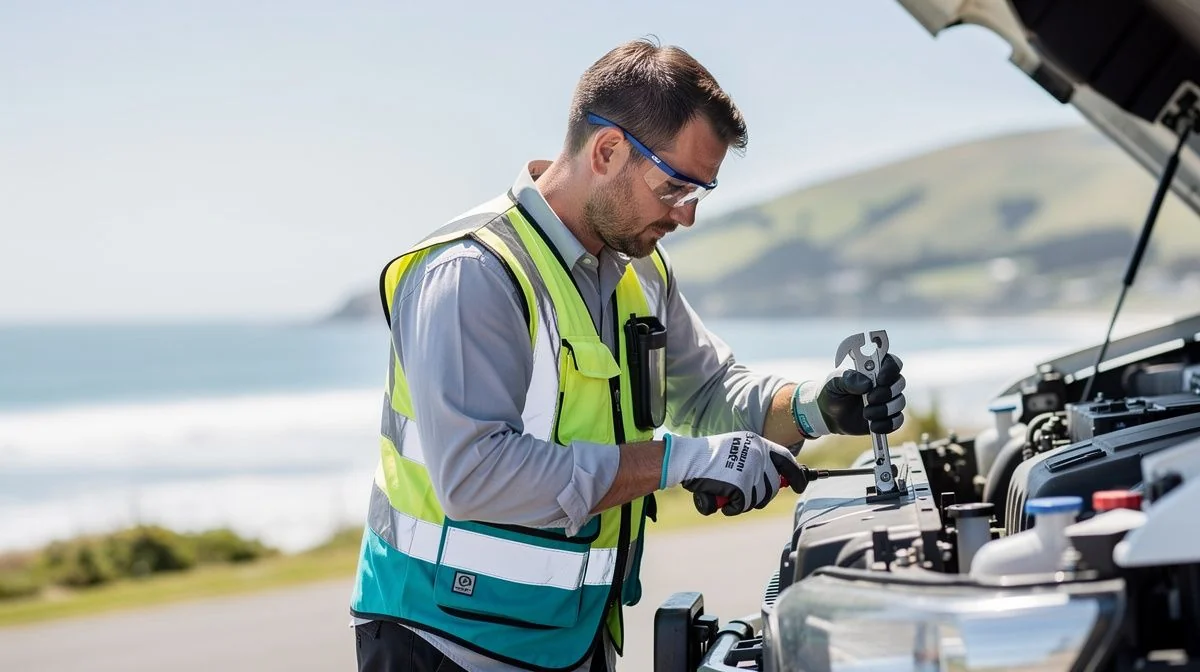
If you live in Kapiti – from Paraparaumu and Raumati through to Waikanae and Ōtaki – finding a reliable mechanic is something every driver eventually needs. Whether it’s a routine service, a warrant of fitness, or an unexpected repair, you want someone who knows their stuff and won’t charge you an arm and a leg.
Kapiti has plenty of workshops, from the big chains to independent garages. But not all mechanics are created equal. This guide walks you through what to look for, what to ask, and how to get the best results – so you can keep your car running safely without the stress.
What to Look for When Hiring a Mechanic in Kapiti
Choosing the right mechanic starts before you hand over the keys. Here are the main things to check:
- Qualifications and memberships – Look for mechanics who are MTA (Motor Trade Association) registered or have AA Approved status. These memberships mean they follow industry standards and have ongoing training requirements.
- Experience with your vehicle type – If you drive a European car, a hybrid, or a diesel ute, make sure the garage is familiar with it. Specialised vehicles often need specific diagnostic tools.
- Local reputation – Ask neighbours, workmates, or local Facebook groups for recommendations. A good reputation in Kapiti goes a long way – word of mouth is still one of the best ways to find a trustworthy mechanic.
- Clean and organised workshop – It’s not everything, but a tidy workshop usually reflects a professional attitude. If the place looks chaotic, it might signal poor attention to detail.
- Transparent pricing – A good mechanic provides a written estimate before starting work and explains any extra charges clearly. Avoid anyone who gives vague quotes or refuses to put things in writing.
- Warranty on work – Most reputable garages offer a warranty on parts and labour (typically 12 months or 10,000 km). If they don’t, ask why.
Key Questions to Ask Before Hiring
Don’t be shy about asking questions before you book in. A good mechanic will be happy to answer them. Here are the ones that matter:
- Do you provide a written quote before starting? – This protects you from surprise costs. Most garages will give a fixed price for standard services.
- What happens if the repair uncovers more problems? – Will they call you first? Do they charge a diagnostic fee? Know the process before they start.
- Do you use genuine or aftermarket parts? – Aftermarket parts can be cheaper but might not last as long. If your car is still under warranty, you may need genuine parts to keep the warranty valid.
- Are your mechanics certified? – Ask about trade qualifications (e.g., NZ Certificate in Automotive Engineering). It’s reasonable to expect certified staff.
- Can you provide references or recent examples of similar work? – A good mechanic can point to happy customers. If they’re cagey, that’s a red flag.
- What’s your policy on warranties for repairs? – Even if it’s not written on the wall, any decent workshop stands by their work for a reasonable period.
Our Trusted Mechanics
We feature businesses that demonstrate strong performance, proven experience, and consistently positive customer feedback. Some of the providers listed may have commercial relationships with us, but all are selected based on quality and reliability.
To begin, reach out to them and speak with them directly — this helps you explain your job, ask questions, and confirm whether they're the right fit.
Mike Page European - automotive repair and service centre Your specialist mechanic for BMW, Audi, Volkswagen and other European vehicles - Kapiti Coast and Greater Wellington with over 30 years European Car experience. European Car service and parts Get the right service and parts for your European car at the right pri
Tips for Getting the Best Results
Once you’ve chosen a mechanic, a few simple habits can make the whole experience smoother:
- Keep a service logbook – Stick to the manufacturer’s service schedule and get it stamped. This helps maintain resale value and keeps your warranty intact.
- Explain the problem clearly – Write down what you’ve noticed (e.g., a strange noise when turning left, or a vibration at 80 km/h). The more detail you give, the faster they can diagnose it.
- Don’t ignore warning lights – That check engine light won’t fix itself. The longer you leave it, the more expensive the repair can become.
- Get a second opinion for major jobs – If you’re quoted over $500 for a repair, it’s worth getting another quote from a different garage. Kapiti has enough workshops to shop around.
- Build a relationship – Stick with the same garage when you can. Mechanics who know your car’s history can spot potential issues early and often give loyal customers better service.
- Check the invoice carefully – Make sure you understand what you’re paying for: labour, parts, GST, and any disposal or environmental fees. Ask about anything that doesn’t match the quote.
A Note About Costs and Getting Quotes
Mechanic costs in Kapiti vary depending on the garage, the complexity of the job, and whether you’re using a dealer or an independent workshop. Labour rates in the region typically range from around $80 to $130 per hour, but this can change – always ask for a current rate upfront.
For a standard service (oil, filters, basic checks), you might pay between $200 and $400 for a regular petrol car. Larger jobs like timing belt replacements or transmission work can run into the thousands. The key is to get at least two or three quotes for anything beyond a basic service. Make sure each quote breaks down labour, parts, and GST separately so you can compare apples with apples.
Many Kapiti garages offer free quotes for diagnostics, but some charge a fee that’s deducted from the repair cost if you go ahead. Always clarify this before they start. And if a quote seems unusually low, be cautious – cut-price work can mean cut corners. On the flip side, the most expensive garage isn’t always the best.
Remember that your car’s safety is worth investing in. A good mechanic will help you prioritise repairs and let you know what’s urgent versus what can wait.

The ValueHub Team built this site because finding clear, unbiased financial information in New Zealand was harder than it should be. Every guide is based on real research — we compare the actual fees, terms, and fine print so you don't have to. Our tip: shop around every year, read the policy docs, and never assume loyalty gets you the best deal.— The ValueHub Team
More Mechanics in Kapiti
These businesses also operate in this area.
Auto Super Shoppes Kapiti to book car servicing, WOF, repairs, diagnostics, brakes, tyres, EV and hybrid support. Open Hours Mon–Fri 7:30am–5:00pm Closed Saturday and Sunday · After-hours key drop available.
Try our Calculators
Use these free tools to crunch the numbers:
KiwiSaver Fund Comparison
Compare fees, returns, and risk levels across every KiwiSaver fund from all 31 NZ providers.
Currency Converter — USD to NZD
Convert US Dollars to New Zealand Dollars instantly. See the latest exchange rate and 30-day trend.
Mortgage Repayment Calculator
Calculate your weekly, fortnightly, or monthly mortgage repayments. Free NZ mortgage calculator — try different rates, terms, and repayment frequencies.
Compound Interest Calculator
See how your savings grow with compound interest over time. Free NZ compound interest calculator with yearly, monthly, and weekly compounding options.
Term Deposit Calculator
Calculate your term deposit returns before you lock in. Compare interest earned across different terms and rates with ValueHub's free calculator.
Savings Goal Calculator
Calculate how long it will take to reach your savings goal — and what monthly deposit you need to get there. Free NZ savings planner.
Mechanics in Other Cities
Latest Guides & Reviews
New Zealand Financial Markets Authority Guide: Investor Protection in NZ
Protect your investments with this practical guide to the FMA — how to check licences, spot scams, and what to do if a provider fails. Verified against...
comparisonEV Home Charger NZ: Costs & Buying Guide
Compare EV home charger costs in NZ — verified prices from $1,299, installation fees, smart features, and what actually matters for your home's power supply.
guideThe Most Popular EVs in New Zealand
The best-selling electric cars in New Zealand, ranked by official registration data. Top BEV and PHEV models and brands, updated monthly.
guideEV Market Stats
New Zealand's EV market in numbers — market share, fleet size, top-selling models and used imports, updated with the latest NZTA and MIA data.