Best Mechanics in Tauranga
Published 11 September 2026 · Written by the ValueHub team · Reviewed by Steve Baron

Tauranga Cars Cover Fewer Kilometres Than Most
Tauranga's workshops see a different mix of cars from the national average. An older local population means plenty of retirement vehicles and second cars that do a few thousand kilometres a year rather than grinding out motorway miles. That is kind to an engine and hard on almost everything else. Short runs around the Mount, Bethlehem or Papamoa never warm the engine enough to burn off condensation, so batteries sulphate, rubber cracks and brake callipers seize through disuse.
The coast adds a second problem. Salt air attacks exposed metal, and cars living near the harbour, the Mount or the open coast rust faster than inland vehicles. The expensive places for that to take hold are underneath: subframes, brake lines and suspension mounts, where corrosion spreads quietly and costs a great deal once established. Having the underside checked during routine servicing catches it while it is still cheap to deal with.
Because so much of the local fleet is under-used rather than worn out, servicing by the calendar matters more here than servicing by the odometer. Oil, brake fluid, and coolant degrade with age and short-trip use, whatever the kilometres say, and a car that passes a warrant can still have a tired battery and hardening tyres. Ask the workshop to show you the worn part rather than describe it, and to call you before doing anything beyond the agreed work.
How We Researched This Guide
We gathered published workshop labour rates from New Zealand pricing sources and checked the regional bands against the national average, so the Tauranga figures reflect real invoicing rather than assumption.
We then worked through what actually drives a repair bill: the hourly rate, the diagnosis, parts pricing and the inspection regime. Those four factors explain most of the gap between two quotes for the same job.
Our Trusted Mechanics
We feature businesses that demonstrate strong performance, proven experience, and consistently positive customer feedback. Some of the providers listed may have commercial relationships with us, but all are selected based on quality and reliability.
To begin, reach out to them and speak with them directly — this helps you explain your job, ask questions, and confirm whether they're the right fit.
Elite Automotive Repairs, Greerton Tauranga. Warrant of fitness, WOF for your Car, Trailer or Caravan, New Battery, Towbar, Cambelt, Tyres and Brakes. All your general mechanical repairs, qualified professional mechanics with a fast turn around with very reasonable rates.
The 60-Second Version
- Tauranga and Hamilton share a published band of $85–$110 an hour for servicing and repairs, excluding GST — among the lower rates in the country.
- A franchise dealership charges around $160 an hour, ranging from $140 to $200 or more.
- A standard WoF inspection costs $70–$90, and some independents charge as little as $60.
- A basic service runs $160–$240; a full service runs $350–$550.
- Parts are roughly 40 per cent of a service invoice and labour roughly 60 per cent.
- Newer light vehicles are moving to a two-yearly inspection interval, so a cheap warrant brings a car into a workshop less often than it once did.
What Mechanics Charge in Tauranga
Tauranga sits in the same published band as Hamilton: $85–$110 an hour for servicing and repairs, excluding GST. That is below Auckland at $100–$130 and Wellington at $95–$120, and the difference reflects a lower local cost base rather than lower skill.
| Work | Typical cost |
|---|---|
| Independent workshop (Tauranga and Hamilton) | $85–$110 per hour |
| Franchise dealership | around $160 per hour, ranging from $140–$200+ |
| European specialist | $120–$180 per hour |
| WoF inspection | $70–$90 |
| Basic service | $160–$240 |
| Full service | $350–$550 |
| Electronic diagnostic scan | $70–$130 |
Rates from published New Zealand workshop pricing. Servicing and repair rates exclude GST. Figures are indicative; every vehicle and every job differs.
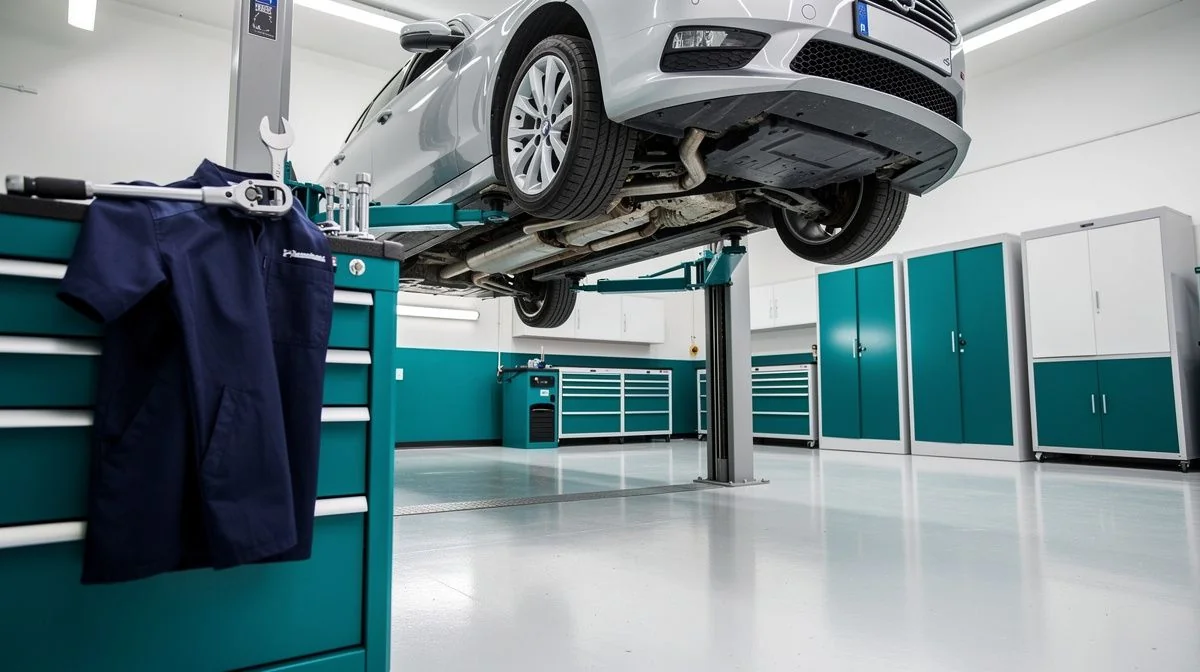
The national average workshop labour rate sits around $110 an hour including GST, up from roughly $95–$100 two years earlier. Parts costs, technician wages and the equipment needed for modern vehicles have all pushed that figure up.
Why a Dealership and an Independent Differ So Much
The widest gap on a Tauranga invoice is between a franchise dealership at around $160 an hour and an independent at $85–$110. Part of that is real: dealerships carry factory diagnostic software, manufacturer training, brand-specific tooling and a warranty obligation that an independent does not have.
Part of it is overhead. Showroom premises, service advisers and corporate branding all sit inside that rate. A two-bay workshop in Greerton or Mount Maunganui carries a much smaller cost base. For routine servicing and out-of-warranty repairs, the independent is usually better value. For a fault needing factory software or a warranty claim, the dealership is the right call.
What a WoF Covers — and What It Doesn't
A warrant of fitness is a safety inspection, not a health check. It checks brakes, tyres, lights, steering, suspension, seatbelts, structural rust, glazing, and exhaust. It does not assess your water pump, clutch, shock absorbers or whether the engine is burning oil, because none of those is warrant items.
That is why a car can sail through a warrant and still need thousands in work. Passing means the vehicle met minimum safety standards on the day. It is also not a service — if a workshop implies the warrant covers your servicing for the year, ask exactly what they inspected.
The Inspection Interval Change Catches People Out
The inspection interval for newer light vehicles is moving from annual to every two years. For Tauranga owners, that removes the habit that quietly kept cars maintained: the cheap annual warrant that put the vehicle on a hoist at least once a year.
Under the old rhythm, a $70 inspection was effectively a free safety net. A technician spotted a worn joint or a weeping seal, and you fixed it while it was small. Stretch the gap, and those faults get two years to become expensive, particularly on a low-mileage car where age does most of the damage.
The answer is to service on the manufacturer's time or distance schedule, regardless of the warranty. Do not treat the inspection as your maintenance plan.
Why a Very Cheap WoF Deserves a Second Look
Some garages advertise warranties well below the $70–$90 norm, sometimes as low as $60. That can be a genuine loss leader. It can also be a way to get your car onto a hoist at a workshop that earns its money from repairs, which creates an obvious incentive.
That doesn't make every cheap warrant a trap, but it does mean the follow-up list deserves scrutiny. Ask for failed items in writing and ask which are genuine safety failures rather than recommendations. A worn tyre or a corroded brake line is not negotiable. A suggested flush usually is.
Basic Service or Full Service?
A basic service runs $160–$240. It covers engine oil and filter, a fluid and tyre-pressure check, and a look over brakes and suspension. That is appropriate for a modern car on a normal servicing schedule.
A full service runs $350–$550 and adds the longer-cycle items: air and cabin filters, spark plugs where the engine uses them, brake fluid, coolant and a closer inspection of the driveline. The gap is time and parts — roughly 40 per cent of the invoice is parts and 60 per cent labour. The manufacturer's schedule sets what you need, not what the workshop would rather sell.
Tauranga Factors That Change the Bill
Coastal Corrosion
Salt air attacks exposed metal, and Tauranga cars living near the harbour, the Mount or the open coast rust faster than inland vehicles. Underside corrosion on subframes, brake lines and suspension mounts is expensive once established, and cheap to catch early.
Low Mileage, Aged Components
Retirement cars and second vehicles wear out by calendar rather than distance. Batteries, exhausts, coolant hoses and anything rubber deteriorate from short-trip use and long idle periods, so servicing on time matters more here than servicing by kilometres.
Owners Who Want to Be Shown
Many Tauranga owners prefer to see the worn part rather than be told about it. Good local workshops put the car on the hoist and explain what they found. Ask for that, and ask for the old part back.
How to Choose a Mechanic in Tauranga
Start with how the workshop talks to you. One that asks how you use the car, what has been done recently and what the handbook schedules will give you a better result than one quoting from a fixed menu. Ask for a written estimate, and ask them to call before doing anything beyond it.
Warning Signs
- A quote well below the field with no explanation of what has been left out.
- A cut-price warrant followed by a long list of urgent repairs.
- No written estimate before work begins.
- Reluctance to show you the failed part or the fault code.
- Pressure to approve extra work on the spot.
- No itemised invoice at the end.
Questions You Might Have
Does servicing at an independent void my warranty?
No. You can use any qualified workshop and keep the manufacturer warranty, as long as servicing follows the manufacturer's specifications and you keep the records. Use the correct oil and filters, and keep the invoices.
How often should a low-mileage car be serviced?
Follow the time interval in the handbook rather than the distance if you never reach the kilometre limit. Oil, brake fluid and coolant degrade with age and short-trip use even when the odometer barely moves.
Is a diagnostic scan worth $70–$130?
Often yes. On a warning light or an intermittent fault, a scan can replace hours of guesswork. Ask for the actual fault code, not just the conclusion, so that you can verify the diagnosis independently.
Can I supply my own parts?
Some independents will fit customer-supplied parts, many will not, and dealerships generally will not. Where they do, expect the warranty on that part to sit with you rather than the workshop.
What Matters Most
Tauranga has one of the lower labour bands in the country, so the hourly rate is rarely the problem. The real risks are skipped servicing on low-mileage cars, corrosion found too late, and a cheap warrant that turns into a shopping list.
Use the dealership when the car needs factory software or a warranty claim, and a good independent for everything else. For a wider view of the trade, compare mechanics across New Zealand.

The ValueHub Team built this site because finding clear, unbiased financial information in New Zealand was harder than it should be. Every guide is based on real research — we compare the actual fees, terms, and fine print so you don't have to. Our tip: shop around every year, read the policy docs, and never assume loyalty gets you the best deal.— The ValueHub Team
More Mechanics in Tauranga
These businesses also operate in this area.
Automotivated delivers an honest, reliable service for all makes & models, using the latest diagnostic equipment. Our friendly team, city centre location and courtesy cars makes us an easy choice for all of your vehicle needs. REPAIRS Insurance Claims. MSD Work & Income quotes. Breakdown Service. SERVICING Regular or one-off servicing. Warranty & Fleet servicing. Battery & Tire changes.
Visit Vehicle Service Centre, Mount Maunganui for your warrant of fitness, vehicle repairs and servicing. We work on all makes and models. Call 07 575 8604 to book your vehicle in now. Avoid the Hassles of a Breakdown Vehicle servicing and maintenance that you can trust Contact Us for a Free Estimate.
Try our Calculators
Use these free tools to crunch the numbers:
KiwiSaver Fund Comparison
Compare fees, returns, and risk levels across every KiwiSaver fund — the most up to date data in New Zealand.
Currency Converter — USD to NZD
Convert US Dollars to New Zealand Dollars instantly. See the latest exchange rate and 30-day trend.
Mortgage Repayment Calculator
Calculate your weekly, fortnightly, or monthly mortgage repayments. Free NZ mortgage calculator — try different rates, terms, and repayment frequencies.
Compound Interest Calculator
See how your savings grow with compound interest over time. Free NZ compound interest calculator with yearly, monthly, and weekly compounding options.
Term Deposit Calculator
Calculate your term deposit returns before you lock in. Compare interest earned across different terms and rates with ValueHub's free calculator.
Savings Goal Calculator
Calculate how long it will take to reach your savings goal — and what monthly deposit you need to get there. Free NZ savings planner.
Mechanics in Other Cities
Latest Guides & Reviews
Kōura KiwiSaver Scheme Review
Kōura KiwiSaver review: 13 open funds, fund charges from 0.63 to 1.10 per cent, and net returns to 30 June 2026.
reviewMaritime KiwiSaver Scheme Review
Maritime KiwiSaver review: 3 open funds, fund charges from 0.61 to 0.76 per cent, and net returns to 31 March 2026.
reviewMAS KiwiSaver Scheme Review
MAS KiwiSaver review: 7 open funds, fund charges from 0.25 to 0.98 per cent, and net returns to 30 June 2026.
reviewArotahi KiwiSaver Scheme Review
Arotahi KiwiSaver review: 1 open fund, a 0.77 per cent fund charge, and net returns to 31 March 2026. What the Government register shows you pay and get back.