Best Optometrists in Feilding
Published 21 March 2025 · Updated 18 August 2026
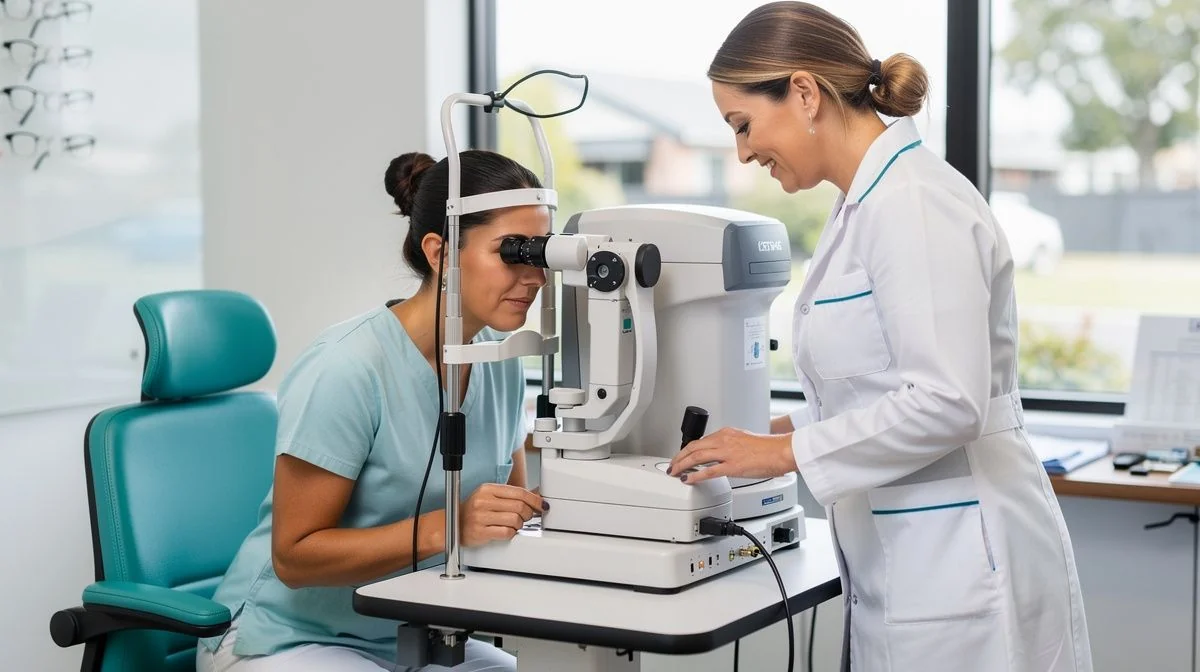
Best Optometrists in Feilding
Finding the right optometrist in Feilding means getting clear advice, thorough testing, and the right pair of specs or contacts for your lifestyle. Whether you need a routine eye exam, help with screen strain, or a children's vision check, the local optometry scene in Manawatū-Whanganui offers plenty of professional options.
Feilding is well served by experienced practitioners who understand rural and small-town needs. Many clinics here offer extended hours, bulk-billing options for eligible patients, and access to the latest diagnostic technology. The key is matching your specific requirements with the right practice.
Below we cover what to look for, questions to ask, and how to get the most from your visit — so you can see clearly and feel confident in your choice.
Choosing an optometrist in Feilding
Not all optometrists offer the same services or approach. Here are the main things to think about when deciding who to book with.
Qualifications and registration
Every optometrist practising in New Zealand must be registered with the Optometrists and Dispensing Opticians Board and hold a current Annual Practising Certificate. You can check a practitioner's registration on the board's website. This gives you peace of mind that they meet national standards.
Range of services
Some Feilding practices focus on standard eye examinations and spectacle dispensing. Others offer a broader range including:
- Contact lens fittings and follow-ups
- Children's vision assessments
- Dry eye management
- Diabetic eye screening
- Glaucoma and macular degeneration checks
- Emergency eye care
If you have a specific condition or requirement, check ahead that the practice can handle it.
Technology and equipment
Modern optometry uses digital retinal cameras, optical coherence tomography (OCT) scanners, and automated refraction systems. These tools allow optometrists to detect early signs of eye disease and provide more accurate prescriptions. It's worth asking what equipment the practice uses, especially if you have existing concerns.
Location and accessibility
Feilding is compact, so travel time is rarely an issue. Still, consider parking availability, wheelchair access, and whether the clinic is on a bus route. Some practices also offer home visits for elderly or housebound patients — worth asking about if that applies to you or a family member.
Patient reviews and word of mouth
Ask friends, neighbours, or your GP for recommendations. Online reviews on Google or local community pages can also give a sense of a practice's strengths and weaknesses. Look for comments about waiting times, thoroughness of exams, and customer service.
Questions to ask before your appointment
Asking the right questions early saves time and helps you choose a practitioner who suits your needs. Here are some useful ones.
- What does the standard eye exam include? Some clinics offer a basic test, others include retinal photography or visual field screening as standard. Know what you're paying for.
- Can you see an optometrist of a particular gender? If you have a preference, ask when booking. Many practices can accommodate this.
- Do you accept my funding or insurance? Check if the practice accepts WINZ quotes, ACC cover for eye injuries, or private health insurance claims. Not all do.
- How long does a full appointment take? Expect around 30-45 minutes for a comprehensive exam. If you're being fitted for contact lenses, allow longer.
- What happens if I need a repeat prescription? Some practices offer quick rechecks or online prescription renewals for existing patients.
- Do you stock frames on-site or use a supplier? If you want to try frames in person, make sure the practice has a good selection in Feilding, or ask about their ordering process.
Don't be shy about asking these questions over the phone or by email. A good practice will be happy to answer them clearly.
Tips for getting the best results
Your optometrist visit works best when you come prepared. Here's how to make the most of it.
Bring your current glasses or prescription
Even if you think your prescription hasn't changed, bringing your current specs helps the optometrist compare results. If you wear contact lenses, bring those too — including the box or packaging with the brand and parameters.
Know your family history
Many eye conditions run in families. Be ready to tell the optometrist about any history of glaucoma, macular degeneration, diabetes, or high blood pressure in your immediate family. This helps them assess your risk and tailor the exam accordingly.
List your symptoms and concerns
Write down any issues you've noticed — headaches after reading, difficulty seeing at night, eye strain, floaters, or dry eyes. Even small symptoms can point to something that needs attention.
Take notes during the exam
Optometrists often give a lot of information at once. Jot down any key points about your eye health, prescription changes, or recommended follow-ups. This helps you remember what was discussed.
Ask about lens options
If you need new glasses, ask about lens coatings, tints, and materials. Anti-reflective coatings reduce glare, blue-light filters help with screen use, and polycarbonate lenses are more impact-resistant. Your optometrist can recommend the best options for your daily life.
Schedule regular visits
For most adults, an eye exam every two years is recommended. If you have diabetes, glaucoma, or a family history of eye disease, annual checks are wiser. Children should have their first exam around age three, then before starting school, and every two years after that.
Understanding costs and getting quotes
Eye care costs in Feilding vary depending on the practice and what you need. Here's a general picture.
A standard comprehensive eye examination typically costs somewhere in the range of $50 to $100. Contact lens consultations and fittings cost more — often $80 to $150 — because they involve extra time and product training. If you

The ValueHub Team built this site because finding clear, unbiased financial information in New Zealand was harder than it should be. Every guide is based on real research — we compare the actual fees, terms, and fine print so you don't have to. Our tip: shop around every year, read the policy docs, and never assume loyalty gets you the best deal.— The ValueHub Team
Try our Calculators
Use these free tools to crunch the numbers:
KiwiSaver Fund Comparison
Compare fees, returns, and risk levels across every KiwiSaver fund from all 31 NZ providers.
Currency Converter — USD to NZD
Convert US Dollars to New Zealand Dollars instantly. See the latest exchange rate and 30-day trend.
Mortgage Repayment Calculator
Calculate your weekly, fortnightly, or monthly mortgage repayments. Free NZ mortgage calculator — try different rates, terms, and repayment frequencies.
Compound Interest Calculator
See how your savings grow with compound interest over time. Free NZ compound interest calculator with yearly, monthly, and weekly compounding options.
Term Deposit Calculator
Calculate your term deposit returns before you lock in. Compare interest earned across different terms and rates with ValueHub's free calculator.
Savings Goal Calculator
Calculate how long it will take to reach your savings goal — and what monthly deposit you need to get there. Free NZ savings planner.
Optometrists in Other Cities
Latest Guides & Reviews
New Zealand Financial Markets Authority Guide: Investor Protection in NZ
Protect your investments with this practical guide to the FMA — how to check licences, spot scams, and what to do if a provider fails. Verified against...
comparisonEV Home Charger NZ: Costs & Buying Guide
Compare EV home charger costs in NZ — verified prices from $1,299, installation fees, smart features, and what actually matters for your home's power supply.
guideThe Most Popular EVs in New Zealand
The best-selling electric cars in New Zealand, ranked by official registration data. Top BEV and PHEV models and brands, updated monthly.
guideEV Market Stats
New Zealand's EV market in numbers — market share, fleet size, top-selling models and used imports, updated with the latest NZTA and MIA data.