Best Optometrists in Queenstown
Published 21 March 2025 · Updated 7 July 2026
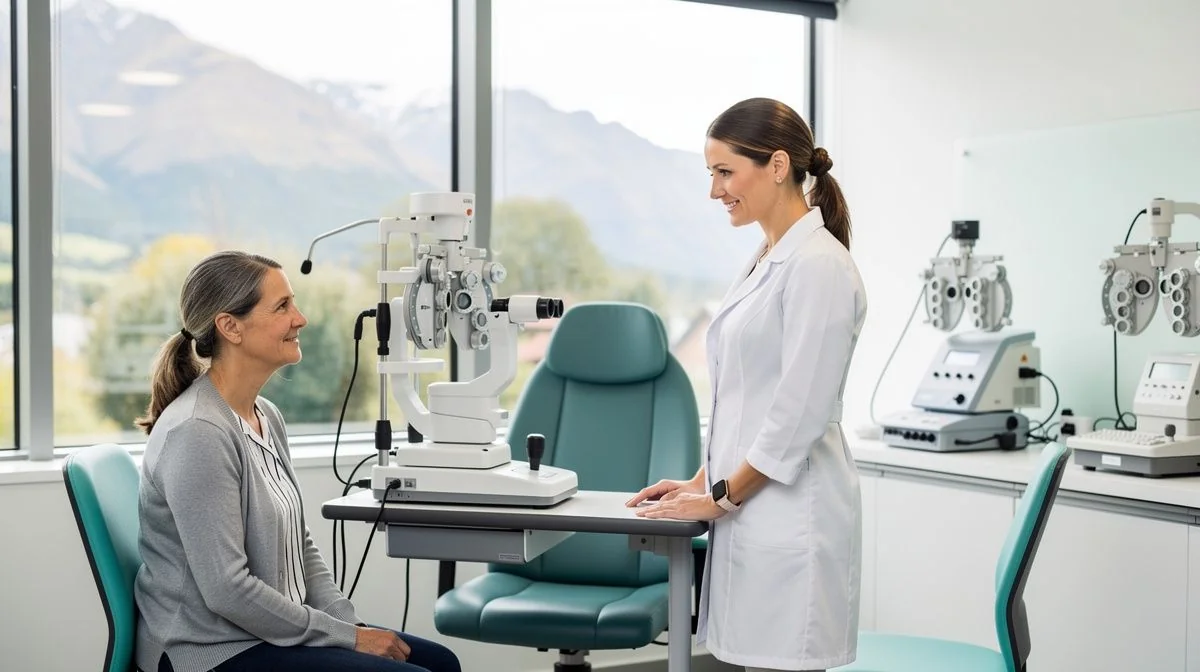
Best Optometrists in Queenstown
Your eyesight is one of your most valuable assets — so finding the right optometrist in Queenstown matters. Whether you need a routine eye exam, new prescription glasses, contact lenses, or help with a specific eye condition, the town has a good selection of experienced professionals.
Queenstown's optometry scene combines local knowledge with modern technology. Many practices offer the latest diagnostic equipment, while others focus on personalised service and a relaxed, unhurried experience. Because Queenstown is a compact town, you'll also benefit from short travel times and flexible appointment availability.
This guide covers what to look for when choosing an optometrist in Queenstown, the questions you should ask before booking, tips for getting the most out of your visit, and a note about costs. Use it to make a confident choice that keeps your eyes healthy and your vision sharp.
What to Look for When Hiring an Optometrist in Queenstown
Not all optometrists are the same. Here are the key factors to consider when making your choice.
- Qualifications and registration — Check that the optometrist is registered with the Optometrists and Dispensing Opticians Board (ODOB) of New Zealand. You can verify registration online. This ensures they meet professional standards.
- Range of services — Some practices focus purely on eye exams and basic glasses dispensing. Others offer more advanced services like contact lens fittings, orthokeratology, myopia control for children, dry eye management, and even minor surgical co-management. Think about what you need now and might need later.
- Modern equipment — A good optometrist will use up-to-date technology such as digital retinal cameras, OCT scanners, and automated refraction systems. This equipment helps detect eye diseases early — especially important in a town with lots of outdoor activity where UV exposure is high.
- Location and convenience — Queenstown practices are dotted around the town centre, Frankton, and nearby suburbs. Consider parking availability, opening hours, and whether they offer weekend or late appointments. Some practices also provide online booking.
- Reputation and reviews — Local online reviews on Google or Facebook can give you a sense of customer service quality. Pay attention to comments about waiting times, thoroughness of exams, and how staff handle questions about prescriptions and pricing.
- Licensed dispenser on-site — For glasses or contact lenses, having a qualified dispensing optician on-site means you'll get accurate measurements, proper frame adjustments, and good advice about lens options.
Take your time and visit a couple of practices if you're unsure. The right optometrist will feel like a partner in your eye health, not just someone you see once a year.
Key Questions to Ask Before Hiring
Before you book an appointment or commit to a practice, ask these questions. They'll help you compare your options and avoid surprises.
- Do you bulk bill or offer ACC-funded eye exams? If you have a community services card or a workplace-related eye injury, you may be eligible for subsidised or free exams. Check whether the practice handles these directly.
- What is the cost of a standard eye exam? Be clear on the fee — including any extras like retinal photography or contact lens consultation fees. Some practices quote a base price and add on additional tests.
- How long does an appointment typically last? A thorough eye exam should take about 20–30 minutes minimum. If appointments seem rushed, you may miss important checks.
- Do you offer aftercare for glasses or contacts? Good practices will adjust your frames, replace nose pads, or provide a free clean and check-up within the first few months.
- What is the turnaround time for glasses? In Queenstown, it can range from a few days to two weeks depending on the lenses and frame availability. Ask about local vs. offsite lab processing.
- Can you help with sudden vision changes or eye emergencies? Some optometrists offer urgent appointments for red eyes, flashes, floaters, or sudden vision loss. It's handy to know who to call.
Don't be shy about asking these questions over the phone or in a quick visit before your exam. A good practice will answer clearly and without pressure.
Tips for Getting the Best Results
Once you've chosen your Queenstown optometrist, a little preparation can make your visit more effective and enjoyable.
- Bring your current glasses and contact lenses — This helps the optometrist compare your old prescription with your new one and check for changes in your visual needs.
- Know your health history — Make a list of any medications you take, family history of eye conditions (like glaucoma or macular degeneration), and any existing health issues such as diabetes or high blood pressure. All of these affect your eyes.
- Be honest about your lifestyle — If you spend a lot of time in front of screens, drive at night, ski or mountain bike, or work in dusty environments, tell your optometrist. They can recommend lenses, coatings, or management strategies that suit your daily life.
- Ask about coatings and lens options — Antireflective coating, blue light filtering, photochromic lenses (which darken in sunlight), and high-index lenses are all worth discussing — especially if you live in Queenstown's sunny, high-UV climate. Your optometrist can explain which ones you'll actually benefit from.
- Schedule regular check-ups — Most adults need an eye exam every two years unless they have an underlying condition. Children, contact lens wearers, and people over 65 should go annually. Stick to a routine to catch problems early.
- Prepare for contact lens fittings — If you're new to contacts, allow extra time for the fitting appointment and follow-up. Bring your current glasses as a backup, and ask about

The ValueHub Team built this site because finding clear, unbiased financial information in New Zealand was harder than it should be. Every guide is based on real research — we compare the actual fees, terms, and fine print so you don't have to. Our tip: shop around every year, read the policy docs, and never assume loyalty gets you the best deal.— The ValueHub Team
Try our Calculators
Use these free tools to crunch the numbers:
PAYE Calculator
Calculate your take-home pay after PAYE tax, ACC, KiwiSaver, and student loan deductions.
Compound Interest Calculator
See how your savings grow with compound interest over time. Free NZ compound interest calculator with yearly, monthly, and weekly compounding options.
Mortgage Repayment Calculator
Calculate your weekly, fortnightly, or monthly mortgage repayments. Free NZ mortgage calculator — try different rates, terms, and repayment frequencies.
Term Deposit Calculator
Calculate your term deposit returns before you lock in. Compare interest earned across different terms and rates with ValueHub's free calculator.
Savings Goal Calculator
Calculate how long it will take to reach your savings goal — and what monthly deposit you need to get there. Free NZ savings planner.
Credit Card Repayment Calculator
See how long it really takes to pay off your credit card — and how much interest you could save by paying more each month. Free NZ calculator.
Optometrists in Other Cities
Best Optometrists in Auckland
Best Optometrists in Wellington
Best Optometrists in Christchurch
Best Optometrists in Hamilton
Best Optometrists in Tauranga
Best Optometrists in Dunedin
Latest Guides & Reviews
US Dollar to NZD: A Practical Guide for Kiwis
Compare the true cost of buying USD in NZ. We reveal the fees, margins, and hidden charges banks, Wise, and airport desks add to every US dollar transfer.
reviewUnderstanding NZ Council Rates
Follow a single rates dollar from your bank account to see where it really goes and how councils set your bill.
comparisonBest Gold and Platinum Credit Cards in New Zealand
Best gold and platinum credit cards in NZ compared: when a $150 annual fee pays for itself through travel insurance and perks.
guideBest Investment Managers in New Zealand
Compare Fisher Funds, Milford, and Pie Funds in this practical guide to vetting NZ investment managers before you trust them with your money.