Best Optometrists in Taupo
Published 21 March 2025 · Updated 18 August 2026
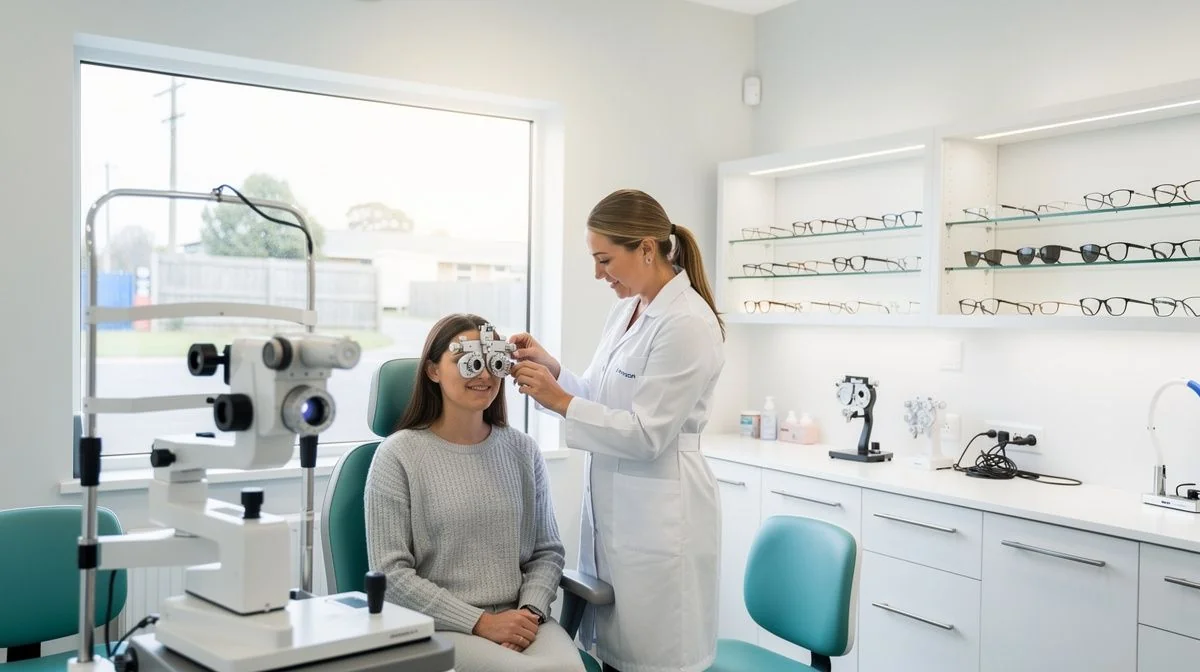
Finding the Best Optometrists in Taupo
Whether you've noticed your vision getting a bit blurry during a round at the Taupo Golf Club or you're due for a routine check-up, finding the right optometrist in Taupo makes all the difference. Your eyes are too important to trust with just anyone — you want a professional who listens, explains things clearly, and uses up-to-date equipment.
Taupo has a handful of optometry practices, ranging from independent local clinics to larger chains. Most are located around the town centre and the retail areas near the lakefront. The good news is that competition keeps standards high, so you have plenty of options to choose from.
This guide walks you through what to look for, questions to ask, and how to get the best outcome from your eye appointment. No fluff — just practical advice from a local lens.
What to Look for When Hiring an Optometrist in Taupo
Not all optometrists are the same. Here's what matters most when you're choosing one in Taupo.
Qualifications and Registration
Every optometrist in New Zealand must be registered with the Optometrists and Dispensing Opticians Board (ODOB) and hold a current Annual Practising Certificate. You can check a practitioner's registration on the ODOB website. It's a quick way to confirm they're legit and up to date with professional development.
Range of Services
Some optometrists specialise in certain areas. Look for a practice that offers:
- Comprehensive eye exams (including retinal photography and OCT scans)
- Contact lens fitting and follow-ups
- Children's vision checks
- Management of eye conditions like glaucoma, dry eye, or macular degeneration
- Low vision aids if needed
If you have specific needs — say you're a keen swimmer needing prescription goggles — ask upfront whether they can help.
Equipment and Technology
Modern optometry relies on digital imaging and advanced diagnostic tools. A good practice will use equipment like an OCT (optical coherence tomography) scanner, retinal camera, and automated phoropter. You don't need to be a tech expert — just ask what tests they perform during a standard eye exam.
Customer Service and Communication
You should feel comfortable asking questions. The optometrist should explain what they're doing, why it matters, and what the results mean for you. If they rush through the appointment or use jargon without explaining, that's a red flag.
Location and Hours
Taupo is a relatively compact town, but consider whether the practice is easy to get to and has parking. Some clinics are open on Saturdays or offer evening appointments — handy if you work during the day.
Reputation and Reviews
Check Google reviews, but take them with a pinch of salt. A few bad reviews among hundreds of good ones might just reflect an off day. Look for patterns — if multiple people mention long wait times, poor communication, or upselling, take note.
Key Questions to Ask Before Hiring
Before you book an appointment (or during your first visit), ask these questions to make sure the optometrist is right for you.
- "What does a standard comprehensive eye exam include?" — A thorough exam should do more than just check your prescription. It should test for eye health issues like glaucoma, cataracts, and macular degeneration.
- "Do you offer OCT or retinal imaging?" — These scans provide a detailed look at the back of your eye and can detect problems early. Not all practices include them in a standard exam — some charge extra.
- "What experience do you have with [your specific concern]?" — Whether you have diabetes, dry eyes, or a family history of eye disease, ask if they have expertise in that area.
- "How long does a typical appointment take?" — A rushed exam can miss important details. Expect at least 20–30 minutes for a comprehensive check.
- "Do you bulk bill or accept my health insurance?" — Most optometrists in Taupo accept Work and Income New Zealand (WINZ) subsidies for vision, but private insurance coverage varies. Ask before you go.
- "Can you help with frame selection and aftercare?" — If you're buying new glasses, a good optometrist will help you choose frames that suit your prescription and lifestyle.
Tips for Getting the Best Results
Your eye appointment is a two-way street. Here's how to get the most out of it.
Prepare Before Your Visit
- Bring your current glasses or contact lenses — even an old pair can help the optometrist see changes over time.
- Make a list of any symptoms: headaches, blurred distance, difficulty reading, eye strain, redness, or floaters.
- Note any medications you take — some affect vision.
- Know your family's eye health history. Conditions like glaucoma and macular degeneration have a genetic link.
Be Honest About Your Lifestyle
Tell your optometrist about your daily activities. If you spend hours staring at screens, drive at night, or play sports, mention it. Your prescription can be optimised for your specific needs — for example, computer glasses or transition lenses.
Don't Be Afraid to Request a Second Opinion
If a diagnosis or recommendation feels off, it's okay to get another opinion. Your eyesight is too precious to ignore doubts. Just make sure to request your records (including test results) from the first practice.
Ask About Aftercare and Follow-Ups
Good practices will schedule a follow-up if you're trying new contacts or if they spot something that needs monitoring. Ask how they handle aftercare — do you need to call, or do they proactively remind you?
Watch for Upselling
Some clinics push expensive lens coatings, designer frames, or unnecessary extras. A trustworthy optometrist will explain what you genuinely need and let you decide. You can always take your prescription and shop around for frames elsewhere.
A Note About Costs and Getting Quotes
Eye care in Taupo doesn't come with a fixed price tag, but here's what to expect.
A standard eye exam typically costs between $50 and $80. If you need OCT or retinal imaging, expect an extra $20–$50 on top. Contact lens fittings and follow-ups also incur additional fees. Children's eye exams are sometimes free — check with individual practices.
If you're on a Community Services Card or have a SuperGold Card, you may qualify for subsidised exams through WINZ. Private health insurance plans (like Southern Cross or Accuro) often cover part or all of the cost — check with your provider before booking.
When buying glasses, frame prices vary enormously — from $50 budget options up to $500+ for designer brands. Lenses add another $100–$300 depending on type (single vision, bifocals, progressives) and coatings (anti-glare, scratch-resistant, UV protection).
Always ask for a written quote before committing to any procedure or purchase. Reputable optometrists will provide a clear breakdown of costs and explain what each item covers. Don't be pressured into same-day decisions — you can always take your prescription home and compare prices for frames and lenses elsewhere.
Finally, remember that your eye health is not somewhere to cut corners for the sake of saving a few dollars. But neither should you pay for expensive extras you don't need. Ask questions, compare options, and choose a Taupo optometrist who treats you like a person, not a sale.

The ValueHub Team built this site because finding clear, unbiased financial information in New Zealand was harder than it should be. Every guide is based on real research — we compare the actual fees, terms, and fine print so you don't have to. Our tip: shop around every year, read the policy docs, and never assume loyalty gets you the best deal.— The ValueHub Team
Try our Calculators
Use these free tools to crunch the numbers:
KiwiSaver Fund Comparison
Compare fees, returns, and risk levels across every KiwiSaver fund from all 31 NZ providers.
Currency Converter — USD to NZD
Convert US Dollars to New Zealand Dollars instantly. See the latest exchange rate and 30-day trend.
Mortgage Repayment Calculator
Calculate your weekly, fortnightly, or monthly mortgage repayments. Free NZ mortgage calculator — try different rates, terms, and repayment frequencies.
Compound Interest Calculator
See how your savings grow with compound interest over time. Free NZ compound interest calculator with yearly, monthly, and weekly compounding options.
Term Deposit Calculator
Calculate your term deposit returns before you lock in. Compare interest earned across different terms and rates with ValueHub's free calculator.
Savings Goal Calculator
Calculate how long it will take to reach your savings goal — and what monthly deposit you need to get there. Free NZ savings planner.
Optometrists in Other Cities
Latest Guides & Reviews
New Zealand Financial Markets Authority Guide: Investor Protection in NZ
Protect your investments with this practical guide to the FMA — how to check licences, spot scams, and what to do if a provider fails. Verified against...
comparisonEV Home Charger NZ: Costs & Buying Guide
Compare EV home charger costs in NZ — verified prices from $1,299, installation fees, smart features, and what actually matters for your home's power supply.
guideThe Most Popular EVs in New Zealand
The best-selling electric cars in New Zealand, ranked by official registration data. Top BEV and PHEV models and brands, updated monthly.
guideEV Market Stats
New Zealand's EV market in numbers — market share, fleet size, top-selling models and used imports, updated with the latest NZTA and MIA data.