Best Optometrists in Upper Hutt
Published 21 March 2025 · Updated 18 August 2026
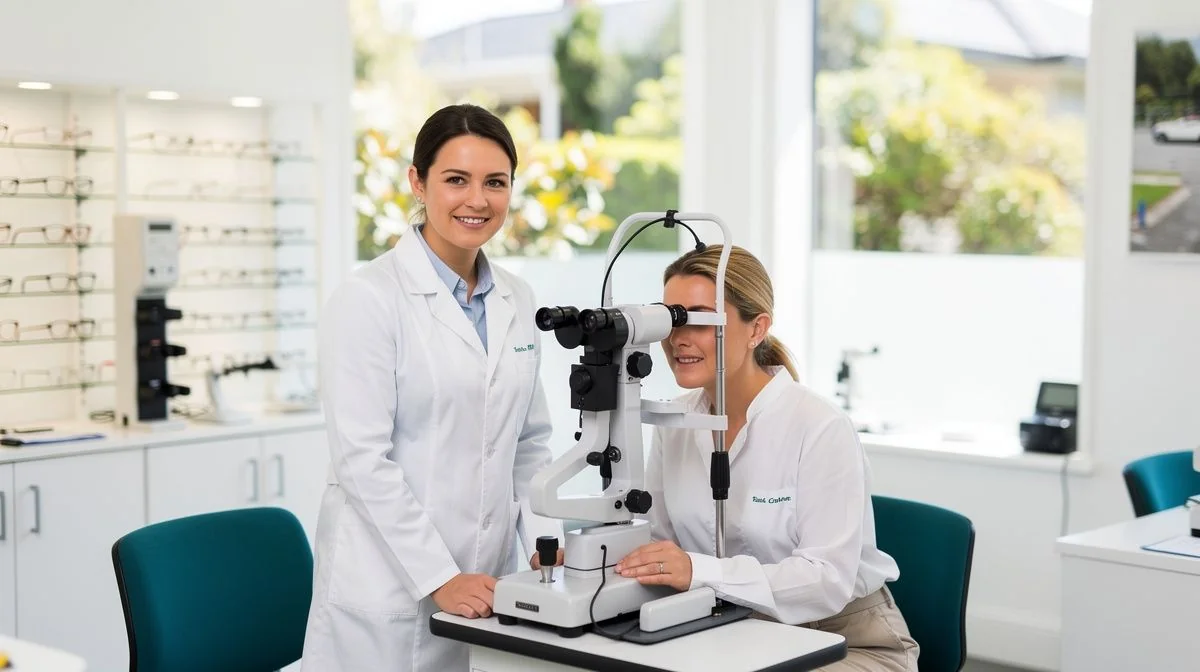
Best Optometrists in Upper Hutt
If you're in Upper Hutt and need your eyes checked, you're in a great spot. The Hutt Valley has a solid range of optometry practices, from independent clinics to larger chains. Whether you're due for a routine eye exam, need new glasses, or suspect something more serious, finding the right optometrist makes all the difference.
This guide covers what to look for in an Upper Hutt optometrist, questions to ask before booking, and how to get the best results for your eye health. No fluff — just practical advice for people in the Upper Hutt area.
Why Choosing the Right Optometrist Matters
Your eyes are precious, and an optometrist does more than just check your prescription. They can detect early signs of conditions like glaucoma, macular degeneration, and even diabetes. For Upper Hutt locals, having a trusted optometrist close to home makes regular check-ups easier.
Many practices in Upper Hutt offer comprehensive eye exams, contact lens fittings, and a range of frames and lenses. Some also provide specialised services like children's vision tests, workplace vision screenings, or pre- and post-cataract surgery care. Knowing what each practice offers helps you choose one that suits your needs.
What to Look for When Hiring an Optometrist in Upper Hutt
Not all optometrists are the same. Here are the key factors to consider before making an appointment.
Qualifications and Registration
In New Zealand, optometrists must be registered with the Optometrists and Dispensing Opticians Board (ODOB) and hold a current annual practising certificate. Check the ODOB register online or ask the practice directly. A qualified optometrist will have a Bachelor of Optometry or equivalent qualification.
You can also look for membership in the New Zealand Association of Optometrists (NZAO). While not mandatory, it shows a commitment to professional development and ethical practice.
Range of Services
Some Upper Hutt practices focus mainly on standard eye exams and glasses dispensing. Others offer a wider range, such as:
- Contact lens fittings (including toric, multifocal, and specialty lenses)
- Pediatric eye exams
- Low vision assessments
- Orthokeratology (corneal reshaping)
- Optical coherence tomography (OCT) scans for detailed retinal imaging
- Frame styling and personalisation
If you have specific needs — like dry eyes, astigmatism, or a family history of eye disease — look for a practice with advanced diagnostic equipment and experience in those areas.
Location and Accessibility
Upper Hutt is a spread-out area, and parking can vary. Consider practices near your home, work, or along regular bus routes. Check if they have wheelchair access, especially if you or a family member has mobility needs. Some practices also offer evening or Saturday appointments, which can be handy for those working standard hours.
Reputation and Reviews
Before booking, read Google reviews or ask for word-of-mouth recommendations. Look for consistent feedback about thoroughness of exams, friendliness of staff, and efficiency of service. A practice with mostly recent positive reviews is likely a safe bet. But remember, one or two negative reviews among many might just reflect an off day.
Equipment and Technology
Modern optometry relies on high-tech equipment. Ask if the practice uses automated refraction, digital retinal photography, or OCT scanners. These tools can detect issues earlier than older methods. For peace of mind, a practice that invests in up-to-date gear shows they take quality seriously.
Key Questions to Ask Before Hiring an Optometrist
Before you book, it pays to ask a few questions. Here's a list to help you get the information you need.
- "Are you registered with the ODOB?" – This is non-negotiable. If they hesitate, look elsewhere.
- "What does a standard eye exam include?" – Some exams cover more than others. You want a comprehensive check that includes vision tests, eye health evaluation, and glaucoma screening.
- "How long does an appointment take?" – A thorough exam usually takes 30 to 45 minutes. If they're rushing through, that's a red flag.
- "Do you accept my health insurance?" – Many New Zealand health insurance policies cover part of the cost of an eye exam. Check if the practice can bill directly or if you need to claim later.
- "What happens if I need new glasses?" – Ask about frame selection, lens options, and fitting fees. Also, ask if they offer a money-back guarantee or a period to adjust to new glasses.
- "Do you treat children?" – If you're bringing kids, some optometrists specialise in children's vision. They may have kid-friendly equipment and techniques.
- "Can you handle emergency eye issues?" – If you have a sudden change in vision, an eye injury, or foreign body in the eye, some practices can see you quickly. Not all offer emergency slots, so ask beforehand.
Tips for Getting the Best Results from Your Optometrist Visit
Your appointment is a two-way street. Here's how to make the most of it.
Come Prepared
Bring your current glasses or contact lenses. If you've had previous prescriptions, bring them along. Also, bring a list of any medications you're taking — some drugs affect eye health. Note down any symptoms you've noticed, like blurry vision, headaches, or eye strain. The more info you give, the better your optometrist can help.
Be Honest About Your Habits
Do you spend hours on screens? Drive at night? Play sports? Your eye care needs change with your lifestyle. Tell your optometrist how you use your eyes daily. They can recommend the right lens type, coatings, or even vision therapy if needed.
Ask About Lens Options
Don't just accept a basic single-vision lens. Modern lenses come with anti-glare coatings, blue-light filters, photochromic lenses that darken in sunlight, and even progressives for bifocal wearers. Ask which options fit your lifestyle and budget. Many practices have trial frames so you can see the difference before committing.
Follow Up If Something Feels Off
After you get new glasses or contacts, give yourself a few days to adapt. But if you experience persistent discomfort, blurry vision, or headaches, go back to the practice. A good optometrist will adjust the prescription or help you troubleshoot without charging extra.
Schedule Regular Check-Ups
For most adults, an eye exam every two years is enough — unless you have existing conditions or a family history of eye disease. Children should be checked at age 3–4, then every two years or as recommended. If you have diabetes, high blood pressure, or a family history of glaucoma, you may need yearly exams.
Cost of Optometry Services in Upper Hutt
Eye exams in Upper Hutt typically cost between $50 and $120 for a standard adult appointment. Contact lens check-ups often cost a bit more, and fittings for specialty lenses (like rigid gas permeable or scleral lenses) can be higher. Prices vary depending on the practice and what's included.
Many practices offer a combined price for an exam plus glasses if you buy frames and lenses from them. Some also run promotional deals, especially for new patients or during certain times of the year. For example, a voucher for a free exam with a glasses purchase is common.
If you have health insurance, check whether your plan covers a portion. Some policies include an annual eye exam benefit. Also, Community Services Card holders may get a discount, though this varies — ask the practice directly.
Getting

The ValueHub Team built this site because finding clear, unbiased financial information in New Zealand was harder than it should be. Every guide is based on real research — we compare the actual fees, terms, and fine print so you don't have to. Our tip: shop around every year, read the policy docs, and never assume loyalty gets you the best deal.— The ValueHub Team
Try our Calculators
Use these free tools to crunch the numbers:
KiwiSaver Fund Comparison
Compare fees, returns, and risk levels across every KiwiSaver fund from all 31 NZ providers.
Currency Converter — USD to NZD
Convert US Dollars to New Zealand Dollars instantly. See the latest exchange rate and 30-day trend.
Mortgage Repayment Calculator
Calculate your weekly, fortnightly, or monthly mortgage repayments. Free NZ mortgage calculator — try different rates, terms, and repayment frequencies.
Compound Interest Calculator
See how your savings grow with compound interest over time. Free NZ compound interest calculator with yearly, monthly, and weekly compounding options.
Term Deposit Calculator
Calculate your term deposit returns before you lock in. Compare interest earned across different terms and rates with ValueHub's free calculator.
Savings Goal Calculator
Calculate how long it will take to reach your savings goal — and what monthly deposit you need to get there. Free NZ savings planner.
Optometrists in Other Cities
Latest Guides & Reviews
New Zealand Financial Markets Authority Guide: Investor Protection in NZ
Protect your investments with this practical guide to the FMA — how to check licences, spot scams, and what to do if a provider fails. Verified against...
comparisonEV Home Charger NZ: Costs & Buying Guide
Compare EV home charger costs in NZ — verified prices from $1,299, installation fees, smart features, and what actually matters for your home's power supply.
guideThe Most Popular EVs in New Zealand
The best-selling electric cars in New Zealand, ranked by official registration data. Top BEV and PHEV models and brands, updated monthly.
guideEV Market Stats
New Zealand's EV market in numbers — market share, fleet size, top-selling models and used imports, updated with the latest NZTA and MIA data.