Best Optometrists in Wairarapa
Published 21 March 2025 · Updated 18 August 2026
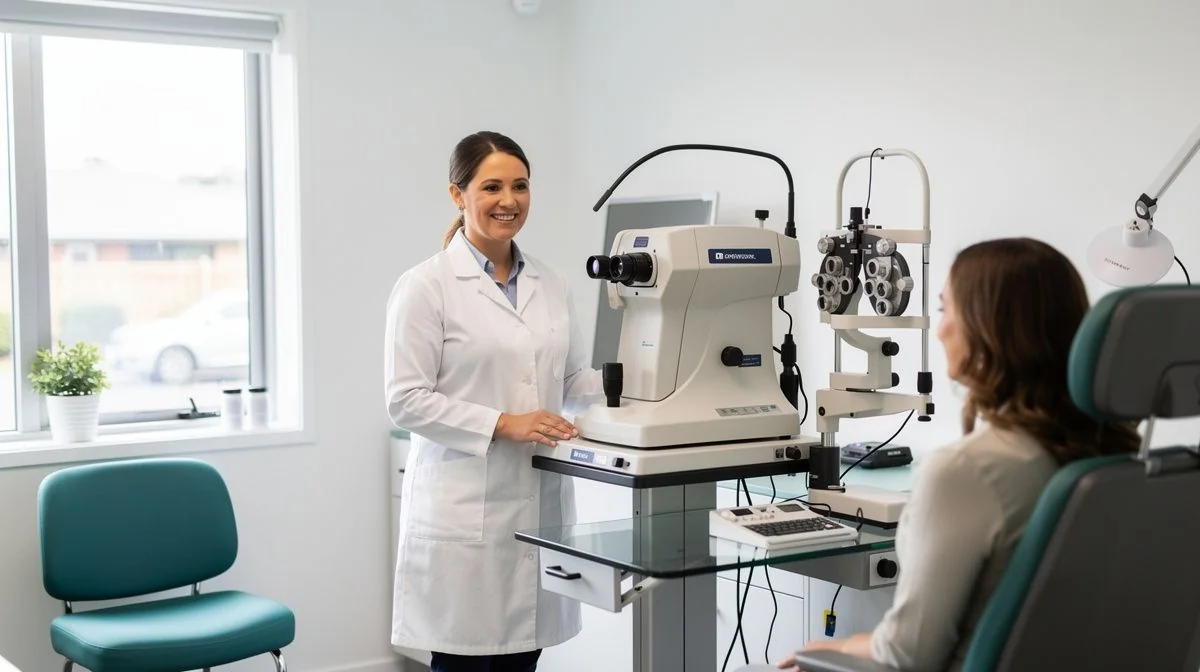
Best Optometrists in Wairarapa
If you live in the Wairarapa, you know that good eye care isn't something to take for granted. Whether you're in Masterton, Carterton, Greytown, Martinborough, or out toward the coast, finding a reliable optometrist who understands your needs is essential. Regular eye exams catch more than just vision changes — they can also spot early signs of health conditions like diabetes, high blood pressure, and even certain neurological issues.
But with several practices spread across the region, how do you choose the right one? This guide will walk you through what to look for, the right questions to ask, and how to get the best value from your appointment. We've kept it local and practical, so you can head to your next check-up with confidence.
What to look for when hiring an optometrist in Wairarapa
Not all optometrists are the same. The best one for you will depend on your specific needs, your location, and the services you expect. Here are the key things to consider when searching for an optometrist in the Wairarapa:
- Qualifications and registration – All optometrists practising in New Zealand must be registered with the Optometrists and Dispensing Opticians Board (ODOB) and hold a current Annual Practising Certificate. You can check their registration online. Don't be shy about asking to see their certificate — a good optometrist will have no problem showing it.
- Range of services – Some practices offer standard eye exams and glasses dispensing, while others provide more specialised services like contact lens fittings, paediatric eye care, low-vision aids, or management of eye conditions like glaucoma or macular degeneration. If you have a specific concern, look for a practice that can handle it in-house.
- Location and hours – The Wairarapa covers a fair bit of ground. Think about whether you need a practice close to work or home, and check their opening hours. Some optometrists offer after-work or Saturday appointments, which can be a lifesaver if you're busy.
- Technology and equipment – Modern optometry uses advanced tools like digital retinal imaging, OCT scans, and automated refraction. While not every practice needs the latest gadgetry, having up-to-date equipment can give you a more thorough assessment. Ask what technology they use — it's a fair question.
- Reputation and reviews – Word of mouth is powerful in a close-knit region like the Wairarapa. Ask friends, family, or your GP for recommendations. Online reviews on Google or local community Facebook groups can also give you a feel for the practice's customer service and reliability.
- Communication style – A good optometrist should explain things clearly, answer your questions, and make you feel comfortable. If you leave the appointment unsure about your eye health, that's a red flag.
Our Trusted Optometrists
We feature businesses that demonstrate strong performance, proven experience, and consistently positive customer feedback. Some of the providers listed may have commercial relationships with us, but all are selected based on quality and reliability.
To begin, reach out to them and speak with them directly — this helps you explain your job, ask questions, and confirm whether they're the right fit.
Stuart Henderson Optometrist | Masterton, Wairarapa: A Masterton Optometrist offering eye exams, eye tests, contact lenses & more. 190 Queen St Wairarapa. Boutique Optometrist providing the best products and the best service Throughout Wairarapa. Get boutique eye care and eyewear with the only independent optometrist i
Key questions to ask before hiring
Before booking an appointment, it pays to ask a few questions over the phone or during a pre-visit. This helps you avoid surprises and ensures the practice can meet your expectations. Here are the most important ones:
- What does the standard eye exam include? – Some practices include a retinal photo or visual field test as part of the standard exam, while others charge extra. Ask what's covered in the base price.
- How much does an eye exam cost? – Prices vary across the region. A typical adult eye exam in New Zealand ranges from around $50 to $100, but some practices charge more for extended or specialised exams. Always confirm the fee before booking.
- Do you accept my health insurance or funding? – If you have a medical card, community services card, or any workplace insurance that covers eye care, check whether the practice accepts it. Some optometrists also offer discounts for repeat patients or families.
- What happens if I need glasses or contact lenses? – Ask about the process for ordering and fitting. How long do frames take to come in? Is there a trial period for contact lenses? What are the fees for adjustments or returns?
- Can you manage ongoing eye conditions? – If you have a condition like glaucoma, dry eye syndrome, or diabetic retinopathy, confirm that the optometrist has experience managing it. Some practices work closely with hospital eye departments, which can be handy for referrals.
- What if I have an eye emergency? – Find out what to do if you get an eye injury or sudden vision change outside of normal hours. Some practices have an on-call system, while others will direct you to the emergency department.
Tips for getting the best results
Your appointment is a partnership. To get the most out of it, come prepared and know what to expect. Here are some practical tips:
- Bring your current glasses or contact lenses – Even if you don't wear them all the time, having them on hand helps the optometrist check your existing prescription and frame fit.
- Know your family history – Many eye conditions run in families. Understand what your parents or siblings have experienced — glaucoma, macular degeneration, and diabetes all affect your own risk.
- List any symptoms or concerns – Are you getting more headaches? Is your vision blurry at certain distances? Write it down before you go. It's easy to forget in the moment.
- Ask about digital eye strain – If you spend your days staring at a computer or phone, mention it. Your optometrist can recommend blue light filters, specific lens coatings, or exercises to reduce strain.
- Don't rush the frame selection – If you need new glasses, take your time. Consider your lifestyle — do you need scratch-resistant lenses for active work? Transition lenses for outdoor living? Polarised sunglasses for driving? A good practice will offer guidance without pressure.
- Check warranty and aftercare – Ask about warranty on frames and lenses. Most reputable optometrists in New Zealand offer a 12-month warranty against manufacturing defects, and some include free adjustments for life. This matters if you choose pricier frames.
- Consider a second opinion for major decisions – If you're told you need laser surgery, advanced treatment, or an unusually expensive prescription, it's reasonable to seek a second opinion from another Wairarapa optometrist. Local professionals understand the community and are usually happy to discuss others' findings.
A note about costs and getting quotes
Eye care in the Wairarapa is generally affordable, but costs can vary widely depending on the practice and the services you need. Here's what to keep in mind:
- Eye exam fees – As mentioned, expect to pay between $50 and $100 for a standard adult consultation. Children's exams are often cheaper, and some practices offer free checks for under-16s through the Ministry of Health's programme. Always ask about this.
- Glasses and lenses – A basic pair of single-vision glasses can start at around $100, but prices climb quickly with added features like anti-reflection coating, high-index lenses, or bifocals/progressives. Frames vary from budget $50 options to designer pieces over $500.
- Contact lenses – A contact lens fitting and trial often costs extra (usually $50–$100), plus the cost of the lenses themselves. Ongoing supply can be monthly, quarterly, or annual. Compare prices between practices — they can differ significantly.
- Getting a quote – Before committing to any purchase, ask for a written quote that breaks down the exam fee, frame price, lens type, and any extras. Most practices are happy to provide this. A quote also helps you compare if you're shopping around.
- Beware of hidden charges – Some

The ValueHub Team built this site because finding clear, unbiased financial information in New Zealand was harder than it should be. Every guide is based on real research — we compare the actual fees, terms, and fine print so you don't have to. Our tip: shop around every year, read the policy docs, and never assume loyalty gets you the best deal.— The ValueHub Team
Try our Calculators
Use these free tools to crunch the numbers:
KiwiSaver Fund Comparison
Compare fees, returns, and risk levels across every KiwiSaver fund from all 31 NZ providers.
Currency Converter — USD to NZD
Convert US Dollars to New Zealand Dollars instantly. See the latest exchange rate and 30-day trend.
Mortgage Repayment Calculator
Calculate your weekly, fortnightly, or monthly mortgage repayments. Free NZ mortgage calculator — try different rates, terms, and repayment frequencies.
Compound Interest Calculator
See how your savings grow with compound interest over time. Free NZ compound interest calculator with yearly, monthly, and weekly compounding options.
Term Deposit Calculator
Calculate your term deposit returns before you lock in. Compare interest earned across different terms and rates with ValueHub's free calculator.
Savings Goal Calculator
Calculate how long it will take to reach your savings goal — and what monthly deposit you need to get there. Free NZ savings planner.
Optometrists in Other Cities
Latest Guides & Reviews
New Zealand Financial Markets Authority Guide: Investor Protection in NZ
Protect your investments with this practical guide to the FMA — how to check licences, spot scams, and what to do if a provider fails. Verified against...
comparisonEV Home Charger NZ: Costs & Buying Guide
Compare EV home charger costs in NZ — verified prices from $1,299, installation fees, smart features, and what actually matters for your home's power supply.
guideThe Most Popular EVs in New Zealand
The best-selling electric cars in New Zealand, ranked by official registration data. Top BEV and PHEV models and brands, updated monthly.
guideEV Market Stats
New Zealand's EV market in numbers — market share, fleet size, top-selling models and used imports, updated with the latest NZTA and MIA data.