Best Panel Beaters in Upper Hutt
Published 25 March 2025 · Updated 18 August 2026
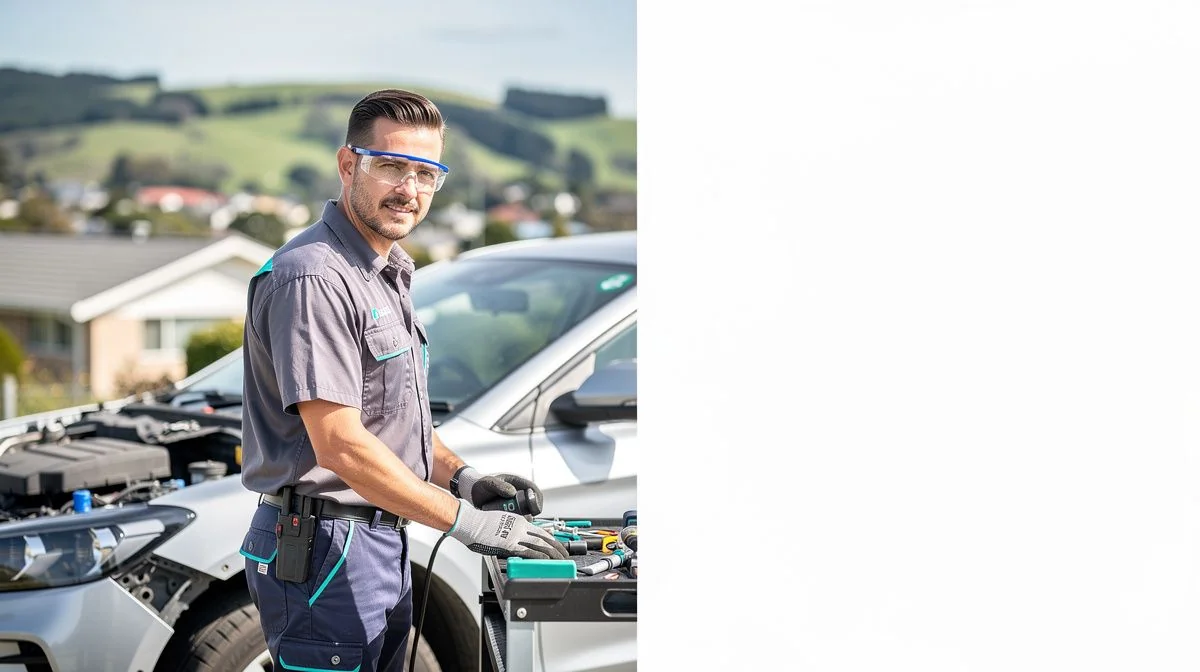
Best Panel Beaters in Upper Hutt
If you’ve had a prang, a scrape, or something more serious on Upper Hutt’s roads, finding a decent panel beater can feel like a hassle. You want someone who’ll get your car looking straight again without cutting corners or costing an arm and a leg. In Upper Hutt – with its mix of state highways, suburban streets, and plenty of roundabouts – dents and dings are part of life. Whether you’re dealing with a supermarket carpark bump or a more significant collision, the right panel beater makes all the difference.
This guide is here to help you sort the good from the not-so-good. We’ll cover what to look for when hiring, the questions you should ask, and some practical tips to get the best outcome for your vehicle. We’ll also touch on costs and quotes, so you know what to expect before you hand over your keys.
What to look for when hiring a Panel Beater in Upper Hutt
Not all panel beaters are created equal. Some specialise in certain makes or types of damage, while others are generalists. Here’s what to keep an eye on when you’re choosing:
- Reputation and reviews – Word of mouth still matters in a city like Upper Hutt. Ask mates, family, or your local mechanic who they’d recommend. Online reviews on Google or local community Facebook groups can give you a feel for a shop’s reliability.
- Certifications and affiliations – Look for panel beaters who are members of industry bodies like the Collision Repair Association (CRA) or the New Zealand Motor Trade Association (MTA). These memberships mean they follow agreed standards and ethics.
- Warranty on work – A decent panel beater will stand behind their repairs. Ask about the warranty on both labour and paint. If they don’t offer one, that’s a red flag.
- Equipment and technology – Modern cars have complex electronics and materials (aluminium, high-strength steel, advanced composites). A workshop using up-to-date equipment like laser measuring systems, welding jigs, and bake ovens is more likely to do a proper job.
- Insurance approval – Many panel beaters in Upper Hutt are approved by major insurers (e.g., AA Insurance, State, IAG). If you’re claiming through insurance, using an approved repairer can simplify the process. But remember: you’re not forced to use the insurer’s preferred shop. You can choose your own – just check they’ll work directly with the insurance company.
- Customer service and communication – Do they explain the repair process clearly? Are they happy to answer questions? Good communication from the start suggests they’ll keep you in the loop during repairs.
Key questions to ask before hiring
Before you commit, have a chat with the panel beater – either on the phone or in person. These questions will help you gauge their competence and professionalism:
- “How long have you been in business in Upper Hutt?” – Longevity often equals local trust and stable work.
- “Do you have experience repairing my make and model?” – Some cars have specific repair requirements (e.g., aluminium bodywork on certain European cars, or advanced safety systems).
- “What warranty do you offer on the repair and paintwork?” – Expect at least a few years on paint and a reasonable period on labour.
- “Will you use genuine or aftermarket parts?” – Genuine parts usually fit better and maintain the car’s value. Aftermarket parts can be fine, but quality varies.
- “How will you match the paint colour?” – A good shop will use a paint spectrometer to read your car’s exact colour code, not just guess.
- “What’s your estimated timeline for the repair?” – Get a realistic idea. Delays happen, but a reliable shop will keep you updated.
- “Can you give me a detailed written quote before work starts?” – A quote shouldn’t be vague. It should list labour, parts, paint, and any sublet work (like towing or mechanical repairs).
- “Do you provide a courtesy car or help with transport?” – Not essential, but it can be a big help if you’re relying on your wheels every day.
Tips for getting the best results
Your car’s repair goes beyond what the panel beater does. A bit of preparation and smart thinking on your part can make the whole process smoother and lead to a better finish.
- Take photos before handing over your car – Document existing damage thoroughly. It protects you if any new damage appears later (unlikely, but worth being safe).
- Don’t rush the repair if you can help it – If the damage is minor cosmetic only, wait until you can schedule in a quieter period. A rushed job is rarely a good job.
- Communicate clearly about your expectations – If you want a perfect, as-new finish, say so. If you’re okay with a 90% fix to save money, discuss that upfront.
- Check the finished repair before you pay – Look at the panel alignment, paint colour match, and any new parts. If something looks off, point it out before settling the invoice.
- Keep a copy of all paperwork – Quotes, invoices, warranty documents, and correspondence. If an issue arises down the track, you’ve got evidence.
- Look after the paint after repairs – Fresh paint needs time to cure. Ask your panel beater for their advice on washing and waxing – it might be different from normal paint care.
Also, note that some insurance policies let you choose your own repairer. Don’t feel pressured to use the insurer’s recommended shop if you’ve got a good local recommendation. You have the right to decide.
A note about costs and getting quotes
Panel beating costs in Upper Hutt, like anywhere in New Zealand, vary depending on the extent of damage, the type of car, and the shop’s hourly rate. Labour rates for panel beaters in the Wellington region typically sit between $80 and $120 per hour (plus GST) as of 2025, but that can change – always ask for a current quote.
Here’s what typically influences the final bill:
- Damage severity – A tiny dent that can be paintless repaired will cost far less than a damaged door that needs replacing and painting.
- Parts availability – Common New Zealand cars like Toyota Corollas, Ford Rangers, or Mitsubishi Tritons have easy parts supply. Rare imports or premium European makes can mean higher parts costs and longer wait times.
- Paint system and colour – Special metallic, pearl, or multi-layer paints cost more to match and apply than standard solid colours.
- Sublet work – If the panel beater needs to send your car to a paint shop, or a mechanical shop for alignment or electrical work, those costs get added on.
- Insurance excess – If you’re claiming, your excess is your upfront cost. The panel beater will deal directly with the insurer for the rest – but make sure you know your excess amount and whether you need to pay it directly or it’s deducted from the settlement.
Always get at least two or three detailed written quotes. That way you can compare apples with apples. A significantly lower quote might look tempting, but ask why – sometimes cheaper shops skip steps like proper paint blending, corrosion protection, or alignment checks. Conversely, the most expensive quote isn’t always the best. Look for someone who explains their

The ValueHub Team built this site because finding clear, unbiased financial information in New Zealand was harder than it should be. Every guide is based on real research — we compare the actual fees, terms, and fine print so you don't have to. Our tip: shop around every year, read the policy docs, and never assume loyalty gets you the best deal.— The ValueHub Team
Try our Calculators
Use these free tools to crunch the numbers:
KiwiSaver Fund Comparison
Compare fees, returns, and risk levels across every KiwiSaver fund from all 31 NZ providers.
Currency Converter — USD to NZD
Convert US Dollars to New Zealand Dollars instantly. See the latest exchange rate and 30-day trend.
Mortgage Repayment Calculator
Calculate your weekly, fortnightly, or monthly mortgage repayments. Free NZ mortgage calculator — try different rates, terms, and repayment frequencies.
Compound Interest Calculator
See how your savings grow with compound interest over time. Free NZ compound interest calculator with yearly, monthly, and weekly compounding options.
Term Deposit Calculator
Calculate your term deposit returns before you lock in. Compare interest earned across different terms and rates with ValueHub's free calculator.
Savings Goal Calculator
Calculate how long it will take to reach your savings goal — and what monthly deposit you need to get there. Free NZ savings planner.
Panel Beaters in Other Cities
Latest Guides & Reviews
New Zealand Financial Markets Authority Guide: Investor Protection in NZ
Protect your investments with this practical guide to the FMA — how to check licences, spot scams, and what to do if a provider fails. Verified against...
comparisonEV Home Charger NZ: Costs & Buying Guide
Compare EV home charger costs in NZ — verified prices from $1,299, installation fees, smart features, and what actually matters for your home's power supply.
guideThe Most Popular EVs in New Zealand
The best-selling electric cars in New Zealand, ranked by official registration data. Top BEV and PHEV models and brands, updated monthly.
guideEV Market Stats
New Zealand's EV market in numbers — market share, fleet size, top-selling models and used imports, updated with the latest NZTA and MIA data.