Best Personal Trainers in West Coast
Published 26 March 2025 · Updated 18 August 2026
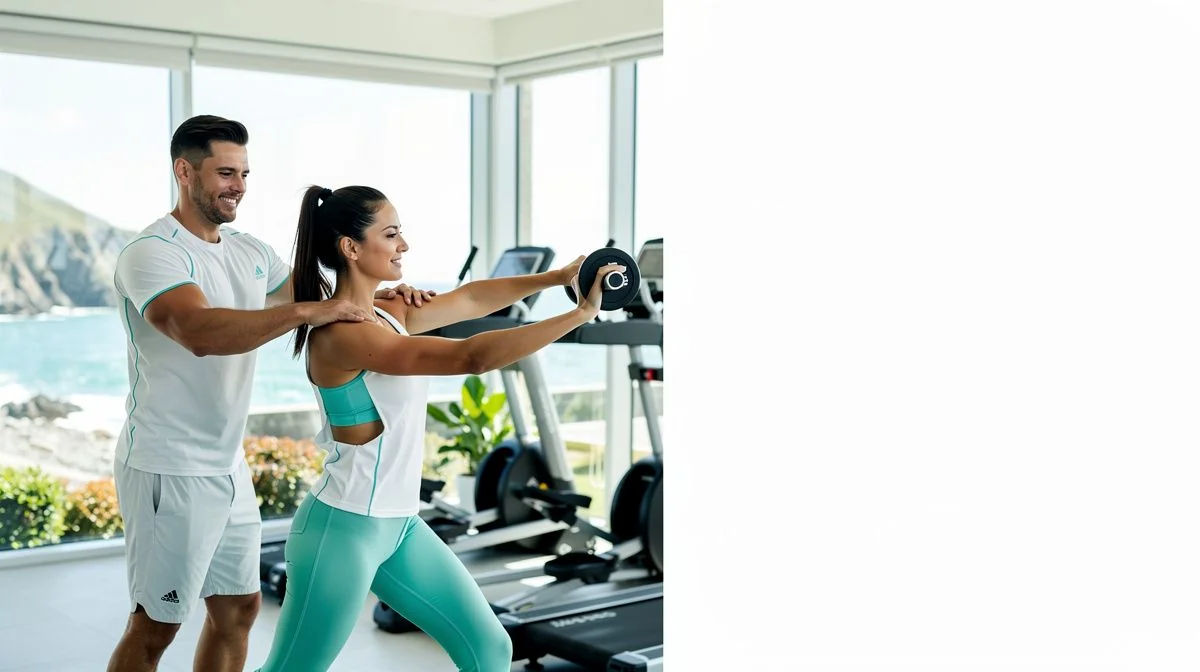
Finding a Personal Trainer on the West Coast
Getting fit and staying motivated isn’t always easy, especially when you’re based somewhere like the West Coast. With small towns like Greymouth, Hokitika, Westport, and smaller settlements spread out, you might wonder what fitness professionals are available in your area. The good news is that there are experienced personal trainers here who know the local lifestyle, the shift work patterns, and the sometimes unpredictable weather that can affect outdoor training.
Whether you want to build strength after an injury, train for a local event, or simply get into a regular exercise habit, finding the right personal trainer makes all the difference. On the West Coast, you often get a more personalised, community-focused approach — trainers tend to know their clients well and offer flexible sessions that fit around your life. This page walks you through what to look for, what questions to ask, and how to make the most of your training.
What to Look for When Hiring a Personal Trainer in the West Coast
Not every trainer is the same, and the right fit depends on your goals, budget, and personality. Here are the most important factors to consider.
Qualifications and registration
In New Zealand, look for a trainer registered with the Register of Exercise Professionals (REPs). REPs NZ is the industry standard, and it ensures your trainer has up-to-date knowledge and is committed to ongoing education. Minimum qualification is a Level 4 Certificate in Personal Training, though many hold higher qualifications.
Also check if they have a current first aid certificate — this is essential for any trainer working one-on-one.
Experience and specialisation
Some trainers specialise in areas like:
- Weight loss and body composition
- Strength and conditioning
- Rehabilitation after injury
- Sport-specific training (e.g. tramping, mountain biking, kayaking)
- Older adult or pre/postnatal fitness
If you have a specific goal, find a trainer with proven experience in that area. Ask how long they’ve been training clients on the West Coast — local knowledge can be a bonus, such as knowing safe outdoor spots or indoor venues that work in bad weather.
Location and session type
West Coast trainers offer sessions in various settings — some work from home gyms, others rent space at local community centres or commercial gyms. There are also trainers who travel to your home or run outdoor sessions on the beach or at the local park. Consider what fits your lifestyle. If you’re in a remote area, check travel fees or whether online coaching is available.
Personality and communication style
You’ll be spending time with this person, so rapport matters. Some trainers are tough and push you hard; others are more supportive and encouraging. Think about what motivates you. A good trainer will adapt their style to suit you, but it helps to know your preferences upfront.
Insurance and professional conduct
Professional trainers should have public liability insurance and indemnity insurance. This protects both of you if an accident happens. Don’t be shy about asking — a reputable trainer will happily provide proof.
Key Questions to Ask Before Hiring
Before you commit to sessions, ask these questions to make sure the trainer is the right match.
- What qualifications do you hold, and are you REPs registered? — This confirms professional standards.
- How long have you been training clients on the West Coast? — Local experience can matter.
- What’s your approach to programming? — Do they follow a structured plan or adapt each session? How do they track progress?
- Can you provide references or testimonials from past clients? — Speaking to other clients gives real insight.
- What are your session rates, and what’s included? — Some include meal plans, assessments, or follow-up check-ins.
- What is your cancellation policy? — Life happens, especially on the Coast with weather and shift work. Know the terms.
- Do you offer a free trial session or initial consultation? — Most trainers will do a chat or a short session so you can see if it’s a good fit.
- How do you handle injuries or medical conditions? — They should ask about your health history and know how to modify exercises safely.
Tips for Getting the Best Results
Hiring a personal trainer is an investment. To get the most out of it, follow these practical tips.
Be honest about your goals and lifestyle
Your trainer can’t read your mind. Tell them exactly what you want — whether it’s dropping a dress size, running a half marathon, or getting through a backcountry tramp without injury. Also be upfront about your schedule, stress levels, sleep, and nutrition. The more they know, the better they can design a plan that works for you.
Communicate during sessions
If an exercise feels wrong, painful, or just too easy, say so. Good trainers want feedback. Likewise, if you’re struggling with motivation between sessions, let them know. They can adjust the approach or add accountability tools like check-in messages.
Stick with the plan — but allow flexibility
Consistency is what drives results. Try to attend your scheduled sessions or make up missed ones quickly. But also recognise that life on the Coast can throw curveballs — weather, work, family. A good trainer will help you adapt without letting you fall off track entirely.
Track your progress beyond the scales
Weight isn’t the only measure of success. Keep a training diary, take progress photos, note how your clothes fit, and record improvements in strength (e.g. lifting heavier), endurance (e.g. walking faster), or how you feel generally. Celebrating these wins keeps you motivated.
Combine training with good nutrition and recovery
Your trainer may give general nutrition advice, but they can’t prescribe meal plans unless they’re a qualified nutritionist or dietitian. However, you can still follow sensible eating patterns — plenty of protein, vegetables, and whole foods. And don’t forget sleep and rest days — that’s when your body adapts and gets stronger.
Be patient
Real change takes time. You might start seeing strength improvements in a few weeks, but body composition changes often take 8–12 weeks. Stick with it, and trust the process.
A Note About Costs and Getting Quotes
Personal training costs on the West Coast vary depending on the trainer’s experience, location, session length, and whether you train one-on-one or in a small group. You might find prices anywhere from around $40 to $80 per session for one-on-one training, but this can differ. Some trainers offer discounted packages if you buy a block of sessions, and others charge extra for travel if you’re in a remote area.
The best way to compare is to get quotes from multiple trainers. On ValueHub.co.nz, you can connect with local personal trainers and

The ValueHub Team built this site because finding clear, unbiased financial information in New Zealand was harder than it should be. Every guide is based on real research — we compare the actual fees, terms, and fine print so you don't have to. Our tip: shop around every year, read the policy docs, and never assume loyalty gets you the best deal.— The ValueHub Team
Try our Calculators
Use these free tools to crunch the numbers:
KiwiSaver Fund Comparison
Compare fees, returns, and risk levels across every KiwiSaver fund from all 31 NZ providers.
Currency Converter — USD to NZD
Convert US Dollars to New Zealand Dollars instantly. See the latest exchange rate and 30-day trend.
Mortgage Repayment Calculator
Calculate your weekly, fortnightly, or monthly mortgage repayments. Free NZ mortgage calculator — try different rates, terms, and repayment frequencies.
Compound Interest Calculator
See how your savings grow with compound interest over time. Free NZ compound interest calculator with yearly, monthly, and weekly compounding options.
Term Deposit Calculator
Calculate your term deposit returns before you lock in. Compare interest earned across different terms and rates with ValueHub's free calculator.
Savings Goal Calculator
Calculate how long it will take to reach your savings goal — and what monthly deposit you need to get there. Free NZ savings planner.
Personal Trainers in Other Cities
Latest Guides & Reviews
New Zealand Financial Markets Authority Guide: Investor Protection in NZ
Protect your investments with this practical guide to the FMA — how to check licences, spot scams, and what to do if a provider fails. Verified against...
comparisonEV Home Charger NZ: Costs & Buying Guide
Compare EV home charger costs in NZ — verified prices from $1,299, installation fees, smart features, and what actually matters for your home's power supply.
guideThe Most Popular EVs in New Zealand
The best-selling electric cars in New Zealand, ranked by official registration data. Top BEV and PHEV models and brands, updated monthly.
guideEV Market Stats
New Zealand's EV market in numbers — market share, fleet size, top-selling models and used imports, updated with the latest NZTA and MIA data.