Best Pest Controllers in Dunedin
Published 25 August 2026 · Updated 24 August 2026
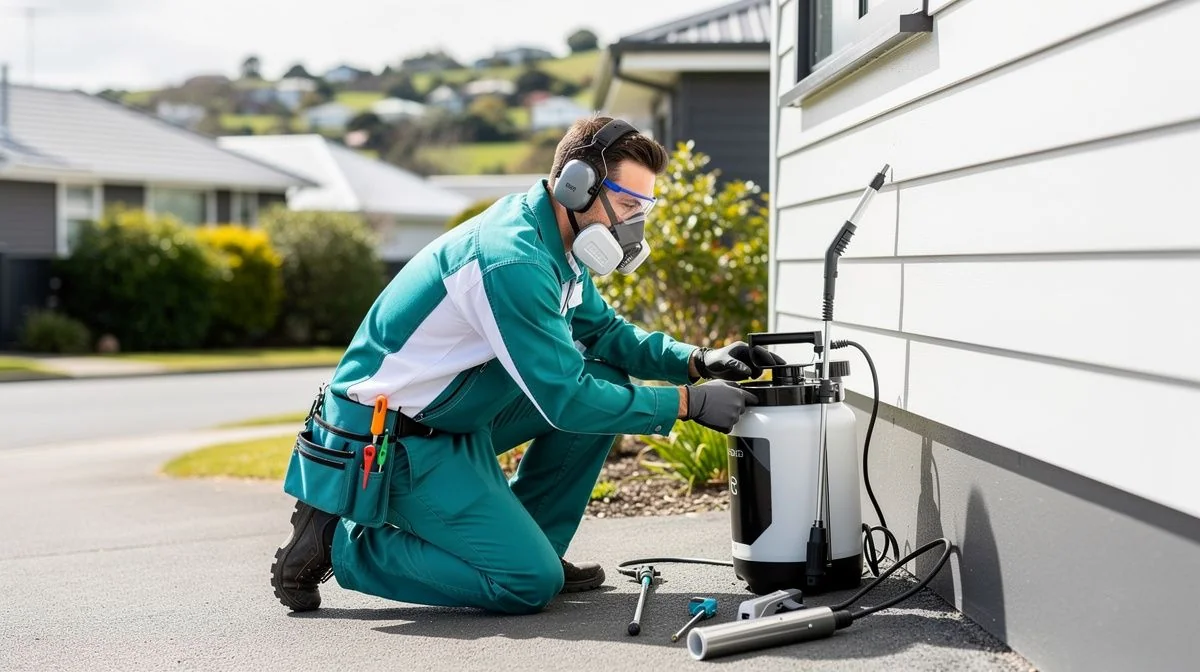
Why a Good Pest Controller Matters in Dunedin
Dunedin's borer problem is the kind of thing you only learn about after you own an older home. Borer beetles attack untreated native timber — the sort that fills the city's Victorian and Edwardian villas — and by the time the damage is visible from outside, it has usually been chewing through the framing for years. A proper inspection is the only way to know, and treatment is quoted on assessment, not a flat fee.
The student flats belt adds a different kind of pressure. Thousands of older timber homes in North Dunedin, with gaps everywhere and tenants cycling through, create chronic rodent pressure — and an untreated problem in one flat becomes a problem for the whole block.
Most Dunedin residential treatments cost $139 to $372 for a standard job, and more for rodents or a full-building treatment. Pest control has no single government licence, so the NZ Certificate in Pest Operations and PMANZ membership are the checks that separate a professional from a cowboy.
How We Researched This Guide
We read what the Pest Management Association of New Zealand requires for its Master Qualified Technician membership, and checked what the NZ Certificate in Pest Operations covers. For pricing, we looked at what Dunedin and Otago operators publish on their own sites. Where a number wasn't published, we didn't use it.
The Quick Summary (60-Second Version)
Six quick points before the detail:
- Typical cost: a Dunedin residential treatment runs $139–$372; rodents run $270–$650.
- How long: a single treatment takes under an hour, but some pests need repeat visits.
- Best value for most homes: a qualified technician with PMANZ membership and a real certificate.
- What to check: their pest operations qualification and public liability insurance.
- The biggest factor: the pest itself — borer and rodents need a pro, not a spray.
- The mistake to avoid: treating a rodent problem in an old flat without sealing the gaps.
Pest Control Licensing & Regulation — What Actually Matters
There is no single pest control licence in New Zealand. You do not need a government permit to call yourself a pest controller. What you do need, if you are using the chemicals professionals use, is to comply with the rules around hazardous substances — how they are stored, transported and applied.
The meaningful credential is a qualification, not a licence. The current one is the New Zealand Certificate in Pest Operations (Level 3, Urban Pest Control). A technician holding this has been trained to identify pests, select the appropriate treatment, and apply chemicals safely. Ask to see it — a professional will show it without hesitation.
The Pest Management Association of New Zealand is the industry body. Its Master Qualified Technician membership requires the Level 3 qualification, current public liability insurance, a health and safety policy, and ongoing professional development. It is a voluntary membership, not a regulator, but it is the clearest signal of a competent operator.
Checking is quick. Ask for the qualification and confirm it, and check whether they are a PMANZ member. Also confirm they hold public liability insurance, because a treatment that goes wrong — a chemical applied in the wrong place — is their liability, not yours.
Dunedin Pricing — What You Can Expect to Pay
Dunedin pest control is among the most affordable in the country, and the local market is competitive. The ranges below are for a standard home; larger or heritage properties tend to run higher, and some pests may require multiple visits.
| Treatment | Typical cost |
|---|---|
| Single treatment (ants, cockroaches, fleas) | $139–$372 |
| Rodent control (rats and mice) | $270–$650 |
| Spider treatment (three-bedroom home) | $150–$250 |
| Wasp nest removal | $130–$330 |
| Full property treatment plus report | $353–$697 |
| Full building treatment | $450–$1,300+ |
Price ranges verified from multiple Dunedin pest control provider guides as of August 2026. Final quotes depend on the pest, the size of the property, the severity of the infestation, and whether repeat visits are needed.
The pest itself is the biggest variable. Spiders are quick to treat. German cockroaches usually need a gel baiting approach and a follow-up. Rodents need baiting, trapping and proofing — and in Dunedin's older flats, proofing is the part that actually stops the cycle.
Borer is the Dunedin-specific concern. It attacks untreated native timber in heritage buildings, and treatment is quoted on assessment — the cost depends on the extent of the infestation, the type of timber, and whether the surfaces are bare or painted. A proper inspection is essential before any quote, and anyone who quotes a flat fee without inspecting is guessing.
Ask whether the quote is GST-inclusive and exactly what it covers. For rental properties, keep the invoices — documented pest control can matter for Healthy Homes compliance and bond returns.
How to Choose a Pest Controller — What Actually Matters
Ask for the qualification first. Confirm they hold the pest operations certificate, and check their PMANZ membership. In a trade with no licence, this is your entire vetting, so do not skip it.
Ask how they identify the pest before they treat. A good technician does not just spray on arrival — they identify which species they are dealing with, because a borer beetle and a rat require completely different treatments. Anyone who reaches for a general spray without a diagnosis is guessing.
Ask what the treatment involves and whether follow-ups are needed. For rodents in an older flat, the right approach involves baiting, trapping, and sealing gaps. For borer, the first step is a proper assessment of the timber. A vague "we will spray the place" is a warning sign.
Ask about safety, especially if you have kids, pets or a food business. The products used around a kitchen need to be applied correctly, and a professional can explain exactly what they are using, where, and the re-entry time.
These are the red flags:
- No qualification and no PMANZ membership. In an unlicensed trade, this is a real red flag.
- Treats without identifying the pest first. That is how colonies survive and spread.
- Can't explain what chemical they are using and why. You have a right to know what is in your home.
- Quotes a flat fee for borer without inspecting. Borer needs assessment, not a guess.
- No mention of proofing for a rodent job. Baiting without sealing gaps delays the return.
What to Expect When You Call a Pest Controller
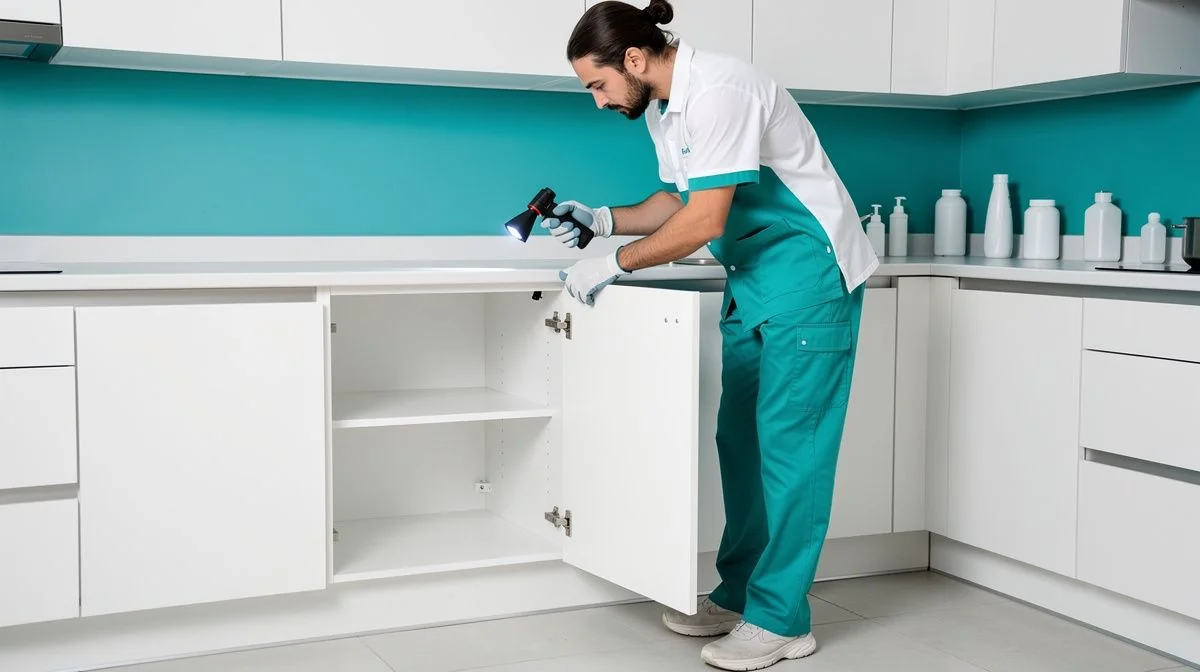
Expect a proper inspection before any chemicals come out. A good technician walks the property, identifies where the pests are coming from, identifies the species, and explains the treatment and price before they start. Bring up anything you have noticed — where you see them, when, and how long it has been going on.
For most treatments, the technician applies the product to targeted areas rather than spraying everything and explains what to do afterwards. For baits, you may be told not to clean the area for a while so the bait can do its job. For sprays, there is usually a re-entry time to wait before kids or pets go back in.
How long common jobs roughly take:
- Single ant or spider treatment: 30-60 minutes.
- Cockroach treatment: 45 to 90 minutes, plus a follow-up visit.
- Rodent treatment and proofing: one to two hours, often with return visits.
- Borer treatment: several hours, depending on the extent of infestation.
- Wasp nest removal: 30 minutes to an hour.
After the job, ask what was used, where it was applied, and what to expect — some pests take a few days to die off as the bait works its way through the colony. A good operator leaves you with a clear plan and a way to reach them if the problem persists.
Dunedin-Specific Risks & Local Factors
The climate, along with the older housing and the student population, shapes pest control in Dunedin. These are the factors a local operator should recognise immediately.
Borer in heritage timber
Dunedin's cool, damp climate and its stock of Victorian and Edwardian homes create ideal conditions for borer beetles, which attack untreated native timber. Over years, an untreated infestation can cause serious structural damage to a villa's original framing, and the damage is often invisible from outside. A proper inspection and assessment are essential before treatment.
The student flats belt
North Dunedin's student flats create chronic rodent pressure. These are often older timber homes with gaps everywhere, and rats and mice thrive in the gaps between poorly maintained rentals. An untreated rodent problem in one flat quickly becomes a problem for the whole block, and proofing the entry points is as important as baiting.
Damp and spiders
Dunedin's moisture drives spiders indoors in large numbers, especially into older homes with damp subfloors. It is one of the most common calls a local pest controller gets. A standard spider treatment is quick and affordable, but the underlying damp is what keeps them coming back — a good operator will point that out.
Possums and wasps
Beyond the usual pests, Dunedin deals with possums raiding roof spaces and wasps nesting in wall cavities. Possum removal is licensed specialist work, and a wasp nest in an eave is a genuine safety risk. A local operator who handles the full range — and knows what needs a specialist — is worth their fee.
Questions You Might Have
Do I need a licence to call someone a pest controller?
No. Anyone can set up as a pest controller — the word isn't legally protected. The protection you have is to check their qualifications, PMANZ membership, and insurance yourself. It's a five-minute check that filters out most cowboys.
Is borer a serious problem?
It can be, especially in older Dunedin homes. Borer beetles tunnel through untreated native timber, and over years they can cause real structural damage to a villa's framing. The damage is often invisible from outside, which is why a proper inspection matters. Treatment is quoted on assessment because the extent determines the work.
Why do my rodents keep coming back?
Because the entry points are still open, there are often many of them in Dunedin's older flats. Baiting clears the current residents but leaves the door open for more. Professional proofing — sealing the gaps — is what actually stops the cycle. A good operator treats exclusion as part of the job.
Are the chemicals safe around my kids and pets?
Applied correctly, yes. A qualified technician uses targeted amounts in specific spots, not blanket spraying, and will tell you the re-entry time to wait before children or pets can return to a treated area. If you have particular concerns, raise them front and a good operator will adjust the approach.
I'm a landlord — should I document pest control?
Yes. Keep every invoice for pest treatment, because documented pest control can matter for Healthy Homes compliance and for bond returns if there is a dispute. A pest controller who works with landlords will provide proper documentation as a matter of course.
What Matters Most
Dunedin's older homes make pest control one of those trades where the cheap option ends up costing the most. Skip the borer inspection or treat a student flat's rodents without sealing the gaps, and the problem is back — often worse — within months. A proper treatment goes after the source, and it stays gone.
Check the qualifications and membership, get a written quote that includes proofing and follow-ups, and pick an operator who diagnoses the pest before treating it. Do that, and you pay once — not every few weeks.

The ValueHub Team built this site because finding clear, unbiased financial information in New Zealand was harder than it should be. Every guide is based on real research — we compare the actual fees, terms, and fine print so you don't have to. Our tip: shop around every year, read the policy docs, and never assume loyalty gets you the best deal.— The ValueHub Team
Try our Calculators
Use these free tools to crunch the numbers:
KiwiSaver Fund Comparison
Compare fees, returns, and risk levels across every KiwiSaver fund from all 31 NZ providers.
Currency Converter — USD to NZD
Convert US Dollars to New Zealand Dollars instantly. See the latest exchange rate and 30-day trend.
Mortgage Repayment Calculator
Calculate your weekly, fortnightly, or monthly mortgage repayments. Free NZ mortgage calculator — try different rates, terms, and repayment frequencies.
Compound Interest Calculator
See how your savings grow with compound interest over time. Free NZ compound interest calculator with yearly, monthly, and weekly compounding options.
Term Deposit Calculator
Calculate your term deposit returns before you lock in. Compare interest earned across different terms and rates with ValueHub's free calculator.
Savings Goal Calculator
Calculate how long it will take to reach your savings goal — and what monthly deposit you need to get there. Free NZ savings planner.
Pest Controllers in Other Cities
Latest Guides & Reviews
New Zealand Financial Markets Authority Guide: Investor Protection in NZ
Protect your investments with this practical guide to the FMA — how to check licences, spot scams, and what to do if a provider fails. Verified against...
comparisonEV Home Charger NZ: Costs & Buying Guide
Compare EV home charger costs in NZ — verified prices from $1,299, installation fees, smart features, and what actually matters for your home's power supply.
guideThe Most Popular EVs in New Zealand
The best-selling electric cars in New Zealand, ranked by official registration data. Top BEV and PHEV models and brands, updated monthly.
guideEV Market Stats
New Zealand's EV market in numbers — market share, fleet size, top-selling models and used imports, updated with the latest NZTA and MIA data.