Best Pest Controllers in Kapiti
Published 27 March 2025 · Updated 18 August 2026
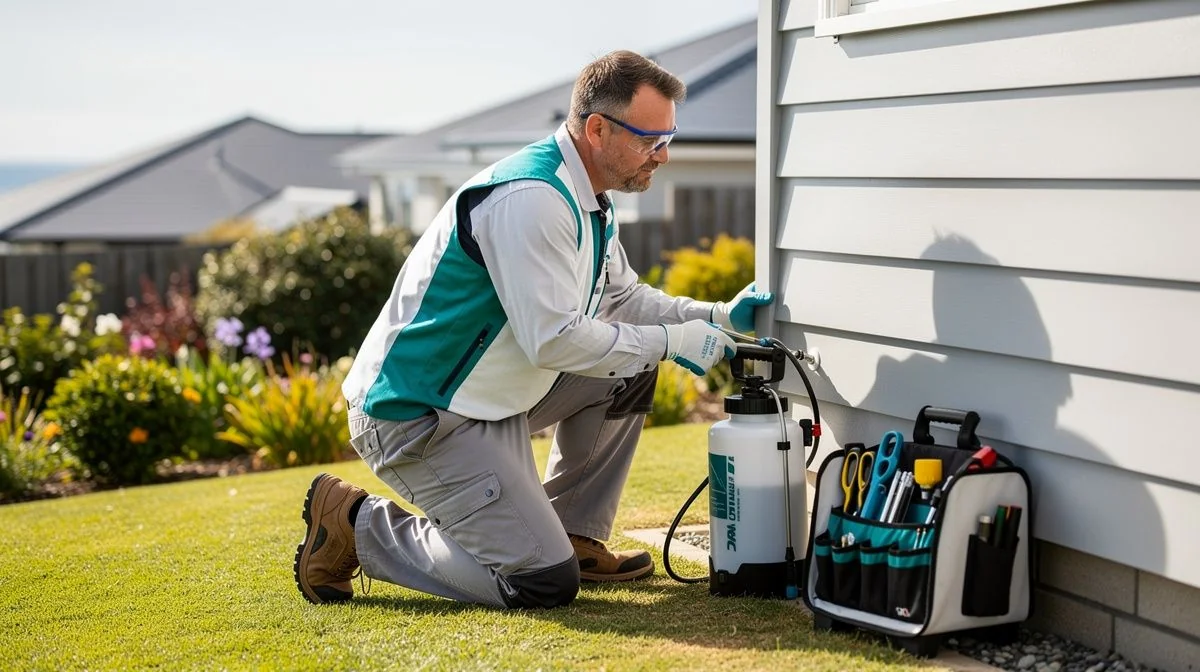
Finding Pest Controllers in Kapiti
Kapiti's mix of coastal bush, farmland and suburban homes means pests are never far away. From rats and mice that love the mild climate to wasps that thrive in the warmer months, most households will need a trustworthy pest controller at some point.
The good news is that Kapiti has several experienced operators who know the local pest patterns. The key is finding someone who's properly qualified, genuinely reliable, and doesn't just do a quick spray then disappear.
Whether you're dealing with a one-off problem or need regular protection, this page covers what to look for, the right questions to ask, and how to get the best result from your pest control appointment in Kapiti.
What to look for when hiring a Pest Controller in Kapiti
Not all pest controllers offer the same level of service. Here's what to check before you book anyone in.
Proper qualifications and licences
In New Zealand, anyone handling pesticides commercially must either hold an Approved Handler certificate or work under the direct supervision of someone who does. This certification is issued through the Ministry for Primary Industries (MPI).
Ask your pest controller whether they or their technician holds a current Approved Handler certificate. If they can't tell you clearly, that's a red flag. Many Kapiti operators also carry membership in industry bodies like the Pest Management Association of New Zealand (PMANZ), which shows a commitment to professional standards.
Local knowledge
Kapiti has its own pest pressures. Coastal properties often deal with more ants, silverfish and spiders. Bush-clad sections might attract possums and rats. The area also has specific wasp species that nest in roof voids and garden sheds.
A good local pest controller will know what's common in your neighbourhood and tailor their treatment accordingly. They shouldn't be using a one-size-fits-all approach.
Insurance and safety practices
Reputable pest controllers carry public liability insurance. This protects you if something goes wrong – for example, if a chemical damages a surface or a technician accidentally breaks something.
They should also follow strict safety protocols, especially if you have children, pets or vulnerable adults in the home. Ask about what chemicals they use and how long you need to keep people and pets away after treatment.
Written quotes and service guarantees
Any decent pest controller will provide a written quote before starting work. This should clearly outline what pests are being treated, what methods will be used, and any follow-up visits included.
Many also offer a service guarantee – for instance, if the problem returns within a certain period, they'll come back and re-treat at no extra cost. Always confirm this before handing over any money.
Key questions to ask before hiring
Before you commit to a pest controller in Kapiti, ask these questions. Their answers will tell you a lot about their professionalism and the likely quality of the job.
- What qualifications do your technicians hold? Look for Approved Handler certificates and PMANZ membership.
- How much experience do you have with this specific pest? Treating a wasp nest is very different from fumigating for bed bugs.
- What chemicals or methods do you use? Some people prefer low-toxicity options, especially around children or food areas.
- Do you offer a free inspection or call-out? Many Kapiti operators will come and assess the problem before quoting.
- How many treatments will I need? Some pests require multiple visits, and you should know upfront.
- What's your warranty or guarantee on the treatment? A three-month or six-month guarantee is common for many pests.
- Are you insured? Always get proof of public liability insurance.
- Can you provide references or reviews from local clients? Word of mouth is powerful in Kapiti.
Don't feel awkward asking these questions. A good pest controller expects them and will answer clearly. If you get vague responses or pressure to book immediately, look elsewhere.
Tips for getting the best results
Hiring the right person is only half the battle. Your own actions before and after the treatment can make a big difference.
Prepare your home properly
Most pest controllers will give you a checklist before they arrive. Typical tasks include:
- Clearing counters and cupboards in the kitchen
- Moving furniture away from walls
- Covering or removing pet bowls and fish tanks
- Vacuuming thoroughly (for flea or bed bug treatments)
- Sealing food in airtight containers
Following these instructions helps the treatment reach the areas where pests actually live. It also reduces the chance of problems afterwards.
Address the root cause
A good pest controller will not just spray and leave. They should also help you identify what's attracting pests. Common issues in Kapiti include:
- Gaps under doors or around windows
- Overhanging tree branches touching the roof
- Unsealed rubbish bins or compost heaps
- Damp subfloor areas that attract silverfish and cockroaches
- Bird nests in roof cavities that bring in mites and fleas
Once the pest controller has done their work, seal up entry points and fix moisture problems. This stops the pests from coming back.
Keep records of the treatment
Ask for a detailed invoice or treatment report. It should list the chemicals used, where they were applied, and when the next treatment is due. This paperwork can be helpful if you need a follow-up or if you sell your property later.
Schedule follow-ups if needed
Some pests like ants and cockroaches often need more than one visit. And for general protection, many Kapiti homeowners book quarterly or bi-annual treatments. Your pest controller should advise what's best for your situation.
A note about costs and getting quotes
Pest control prices in Kapiti can vary depending on the type of pest, the size of your property, and how many treatments are needed. For a standard house (three to four bedrooms), a general pest treatment for ants, spiders and cockroaches typically costs between $150 and $300. These treatments often include a warranty of three to six months.
More complex jobs cost more. Wasp nest removal is usually in the range of $100 to $200 per nest, while possum control (including trapping and removal) can be $200 to $400 depending on the number of visits. Bed bug treatments are among the most expensive, often starting at $500 and going higher because they require thorough inspection, preparation and multiple visits.</

The ValueHub Team built this site because finding clear, unbiased financial information in New Zealand was harder than it should be. Every guide is based on real research — we compare the actual fees, terms, and fine print so you don't have to. Our tip: shop around every year, read the policy docs, and never assume loyalty gets you the best deal.— The ValueHub Team
Try our Calculators
Use these free tools to crunch the numbers:
KiwiSaver Fund Comparison
Compare fees, returns, and risk levels across every KiwiSaver fund from all 31 NZ providers.
Currency Converter — USD to NZD
Convert US Dollars to New Zealand Dollars instantly. See the latest exchange rate and 30-day trend.
Mortgage Repayment Calculator
Calculate your weekly, fortnightly, or monthly mortgage repayments. Free NZ mortgage calculator — try different rates, terms, and repayment frequencies.
Compound Interest Calculator
See how your savings grow with compound interest over time. Free NZ compound interest calculator with yearly, monthly, and weekly compounding options.
Term Deposit Calculator
Calculate your term deposit returns before you lock in. Compare interest earned across different terms and rates with ValueHub's free calculator.
Savings Goal Calculator
Calculate how long it will take to reach your savings goal — and what monthly deposit you need to get there. Free NZ savings planner.
Pest Controllers in Other Cities
Latest Guides & Reviews
New Zealand Financial Markets Authority Guide: Investor Protection in NZ
Protect your investments with this practical guide to the FMA — how to check licences, spot scams, and what to do if a provider fails. Verified against...
comparisonEV Home Charger NZ: Costs & Buying Guide
Compare EV home charger costs in NZ — verified prices from $1,299, installation fees, smart features, and what actually matters for your home's power supply.
guideThe Most Popular EVs in New Zealand
The best-selling electric cars in New Zealand, ranked by official registration data. Top BEV and PHEV models and brands, updated monthly.
guideEV Market Stats
New Zealand's EV market in numbers — market share, fleet size, top-selling models and used imports, updated with the latest NZTA and MIA data.