Best Plumbers in Queenstown
Published 28 March 2025 · Updated 18 August 2026
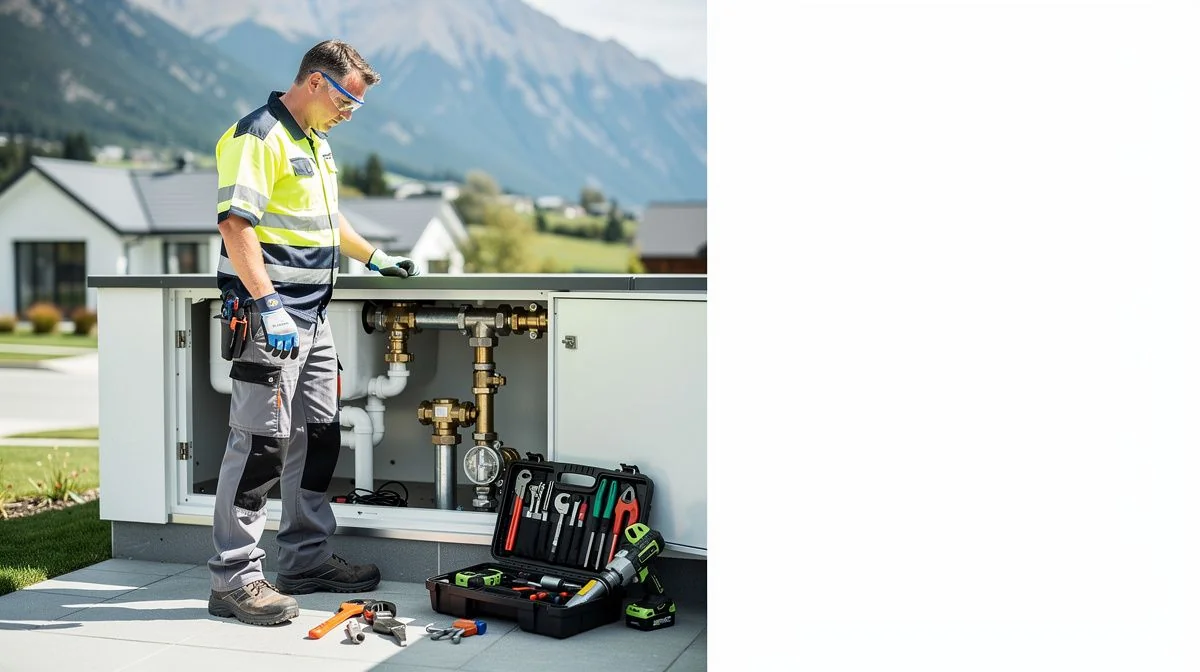
Finding the right plumber in Queenstown
Queenstown’s alpine weather, heavy tourist traffic, and growing housing market mean plumbing issues can pop up when you least expect them. Whether you’re dealing with a burst pipe in winter, installing a hot water heater in a holiday rental, or planning a new bathroom renovation, finding a reliable local plumber is essential.
Because Queenstown sits in a frost-prone area, pipes can freeze and crack overnight. And with so many short-term rental properties turning over quickly, minor leaks can become big problems if not fixed fast. The right plumber will know the local conditions inside out — from council regulations to the quirks of older homes in Arrowtown or newer builds in Jack’s Point.
This page will help you sort through your options, ask the right questions, and end up with a plumber you can trust for the job.
What to look for when hiring a plumber in Queenstown
Proper licensing and registration
In New Zealand, all plumbers must be licensed through the Plumbers, Gasfitters and Drainlayers Board. You can check a plumber’s credentials online to make sure they hold a current practising licence. Never hire someone who cannot produce proof of registration — it’s a legal requirement for a reason.
Insurance cover
Accidents happen, even to experienced tradies. Your plumber should have public liability insurance and, ideally, guarantee insurance for workmanship failures. This protects you if something goes wrong during or after the job.
Local experience
A plumber who works regularly in Queenstown will know the local district plan rules, the requirements of the Queenstown Lakes District Council, and the specific challenges of the climate. They’ll also have established relationships with local suppliers and other trades, which can speed things up.
Clear communication and written quotes
Good plumbers explain what needs doing, why, and roughly how long it will take. They should be happy to provide a written quote — not just a rough estimate over the phone. If a plumber is vague or avoids putting things in writing, consider that a red flag.
After-hours and emergency services
Queenstown has a high number of holiday homes and Airbnb-style rentals. If a guest reports a leak at 9 pm on a Saturday, you need someone who takes emergency calls. Ask upfront whether the plumber offers 24/7 service and what the call-out fees are.
Warranty on work and materials
Reputable plumbers stand by their work. Minimum warranty periods are common — often 12 months on labour and longer on certain fixtures. Make sure you understand what is and isn’t covered before work starts.
Key questions to ask before hiring a plumber in Queenstown
Are you licensed and insured?
Ask to see their licence card issued by the Plumbers, Gasfitters and Drainlayers Board. Also request a copy of their public liability insurance certificate. If they hesitate or make excuses, move on.
Can you provide a fixed-price written quote?
Some plumbers charge by the hour, others give a fixed price for the whole job. For larger projects like a bathroom renovation or a new hot water cylinder, a fixed price helps you budget with confidence. For smaller call-outs, an hourly rate might be fine — but get it in writing anyway.
Do you have recent references from Queenstown homeowners?
Online reviews are useful, but a real reference from someone whose property is similar to yours (older home, new build, rental, etc.) is worth gold. Ask for two or three recent references and actually call them.
What experience do you have with this specific problem?
If you need a gas fitter, drainlayer, or someone experienced with backflow prevention, ask directly. General plumbers can handle many jobs, but some tasks require specialist endorsements on their licence.
What happens if the job runs over time or discovers extra issues?
Unexpected problems are common in plumbing — think rotten pipes behind walls or a collapsed drain. A good plumber will explain how they handle variations: do they stop and call you? Do they charge for the extra work at the same rate? Clear communication here saves arguments later.
Do you offer a warranty or guarantee?
Ask about the warranty on both labour and materials. Also ask what the process is if something fails after you’ve paid. A straightforward answer gives you peace of mind.
Tips for getting the best results from your Queenstown plumber
Get at least three quotes
For any significant job — not a small leak — request quotes from three different plumbers. Compare not just the price but the scope of work, materials specified, and the expected timeline. The cheapest quote isn’t always the best, but a quote that’s much higher than the others should have a clear reason.
Agree on the scope of work in writing
Before work starts, make sure both you and the plumber have signed a document that lists every task, the materials to be used, the start and finish dates, and the total cost (or hourly rate plus cap). This avoids misunderstandings and protects you if a dispute arises.
Communicate clearly about access and timing
If you live in a Queenstown apartment block or a property with tricky access, tell the plumber upfront. Let them know if someone needs to be home, if there are body corporate rules, or if you need the work done outside peak tourist season. Good communication makes the job go smoother.
Check reviews on multiple platforms
Don’t rely on a single site. Look at Google, Facebook, and local community groups like Queenstown Community Noticeboard. Patterns of complaints — such as turning up late, leaving mess, or charging more than quoted — are warning signs.
Keep records of everything
Take photos of the problem area before work begins. Keep copies of quotes, invoices, receipts for materials, and any correspondence. If there’s a disagreement later, you’ll have the evidence to back up your side.
A note about costs and getting quotes in Queenstown
Plumbing

The ValueHub Team built this site because finding clear, unbiased financial information in New Zealand was harder than it should be. Every guide is based on real research — we compare the actual fees, terms, and fine print so you don't have to. Our tip: shop around every year, read the policy docs, and never assume loyalty gets you the best deal.— The ValueHub Team
Try our Calculators
Use these free tools to crunch the numbers:
KiwiSaver Fund Comparison
Compare fees, returns, and risk levels across every KiwiSaver fund from all 31 NZ providers.
Currency Converter — USD to NZD
Convert US Dollars to New Zealand Dollars instantly. See the latest exchange rate and 30-day trend.
Mortgage Repayment Calculator
Calculate your weekly, fortnightly, or monthly mortgage repayments. Free NZ mortgage calculator — try different rates, terms, and repayment frequencies.
Compound Interest Calculator
See how your savings grow with compound interest over time. Free NZ compound interest calculator with yearly, monthly, and weekly compounding options.
Term Deposit Calculator
Calculate your term deposit returns before you lock in. Compare interest earned across different terms and rates with ValueHub's free calculator.
Savings Goal Calculator
Calculate how long it will take to reach your savings goal — and what monthly deposit you need to get there. Free NZ savings planner.
Plumbers in Other Cities
Latest Guides & Reviews
New Zealand Financial Markets Authority Guide: Investor Protection in NZ
Protect your investments with this practical guide to the FMA — how to check licences, spot scams, and what to do if a provider fails. Verified against...
comparisonEV Home Charger NZ: Costs & Buying Guide
Compare EV home charger costs in NZ — verified prices from $1,299, installation fees, smart features, and what actually matters for your home's power supply.
guideThe Most Popular EVs in New Zealand
The best-selling electric cars in New Zealand, ranked by official registration data. Top BEV and PHEV models and brands, updated monthly.
guideEV Market Stats
New Zealand's EV market in numbers — market share, fleet size, top-selling models and used imports, updated with the latest NZTA and MIA data.