Best Roofers in Tauranga
Published 11 September 2026 · Written by the ValueHub team · Reviewed by Steve Baron
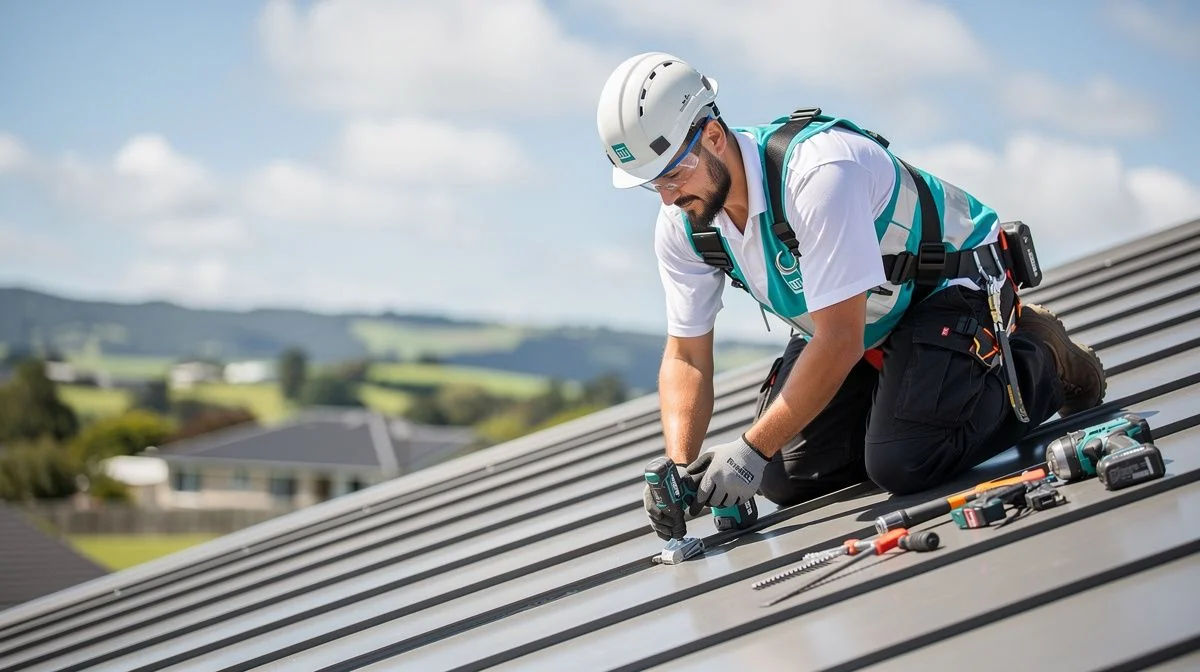
Why Tauranga Roofs Age Faster Than They Should
Salt is the main reason local roofs age faster than their material ratings suggest. Homes near the harbour, around Matua, the Mount and Ōmokoroa, sit in airborne salt for most of the year, and that salt attacks fixings, flashings and cut edges long before the roof reaches the life its sheeting is rated for. Long-run steel rated for decades inland can need replacing far sooner at a coastal address.
Heavy rain and strong ultraviolet light finish the job. Warm, humid air holds moisture against the metal, salt stops the surface drying cleanly, and summer sun breaks down coatings. Salt, moisture and sunlight are the three conditions that shorten the working life of metal roofing, and this city has all three in quantity. That is why the specification matters more here than the price: coastal addresses need fasteners, washers and coatings chosen for the exposure, and cut edges treated before the sheets go on.
North and west faces take the worst of the sun, and a roof left unwashed holds salt and organic growth against the metal long after the rain has passed. In Tauranga, cleaning the roof and paying for a better coating aren't cosmetic choices. Both add real years to a covering that would otherwise fail early.
How We Researched This Guide
We started with current published pricing for roof replacement in New Zealand, then worked out what moves the total: access, material choice, and what has to be removed first. Where published ranges differ, we give the range, because two similar roofs can genuinely cost very different amounts.
We also separated the cost of the roof itself from the work quoted around it. Scaffolding, disposal and steep-access allowances are where quotes diverge most, and they are the items homeowners most often discover after signing.
Our Trusted Roofers
We feature businesses that demonstrate strong performance, proven experience, and consistently positive customer feedback. Some of the providers listed may have commercial relationships with us, but all are selected based on quality and reliability.
To begin, reach out to them and speak with them directly — this helps you explain your job, ask questions, and confirm whether they're the right fit.

Roofing Industries | NZ's Metal Roofing & Cladding Manufacturer New Zealand's leading metal roofing & cladding manufacturer Locally designed and manufactured metal roofing, cladding, fencing and rainwater products for residential and commercial application.
The 60-Second Version
If you read only one section, read this one.
- A full replacement on a standard home runs $15,000 to $45,000, and complex homes can pass $55,000.
- Long-run steel costs $90 to $180 per m² installed and is rated for 40 to 60 years inland.
- Strip-and-dispose adds roughly 25 per cent. A steep roof adds roughly 10%.
- Scaffolding is a separate cost and is often missing from a quote.
- A professional inspection costs $300 to $500.
- Coastal addresses need different fixings and coatings. Ask what is specified.
What a Re-Roof Costs in Tauranga
Roofing is priced per square metre of roof surface, not floor area, so a simple gable on a single level costs less to cover than the same footprint split across two storeys. Material choice sets most of the price.
| Roof material | Installed cost per m² |
|---|---|
| Long-run steel (corrugated or pre-painted) | $90–$180 |
| Standing seam | $150–$250 |
| Metal tiles (pressed or stone-coated) | $110–$230 |
| Concrete tiles | $120–$250 |
| Clay tiles | $150–$350 or more |
| Membrane or flat roof | $180–$280 |
Indicative guide prices for supplied and installed roofing, verified against current published New Zealand trade pricing. Figures exclude GST unless stated. Every property differs, so always obtain a written quote.
The full job total matters more than the rate. A complete replacement on a standard home lands between $15,000 and $45,000, and a large or complex house can exceed $55,000. Two uplifts explain most of the gap between the cheapest and the dearest quote you will receive.
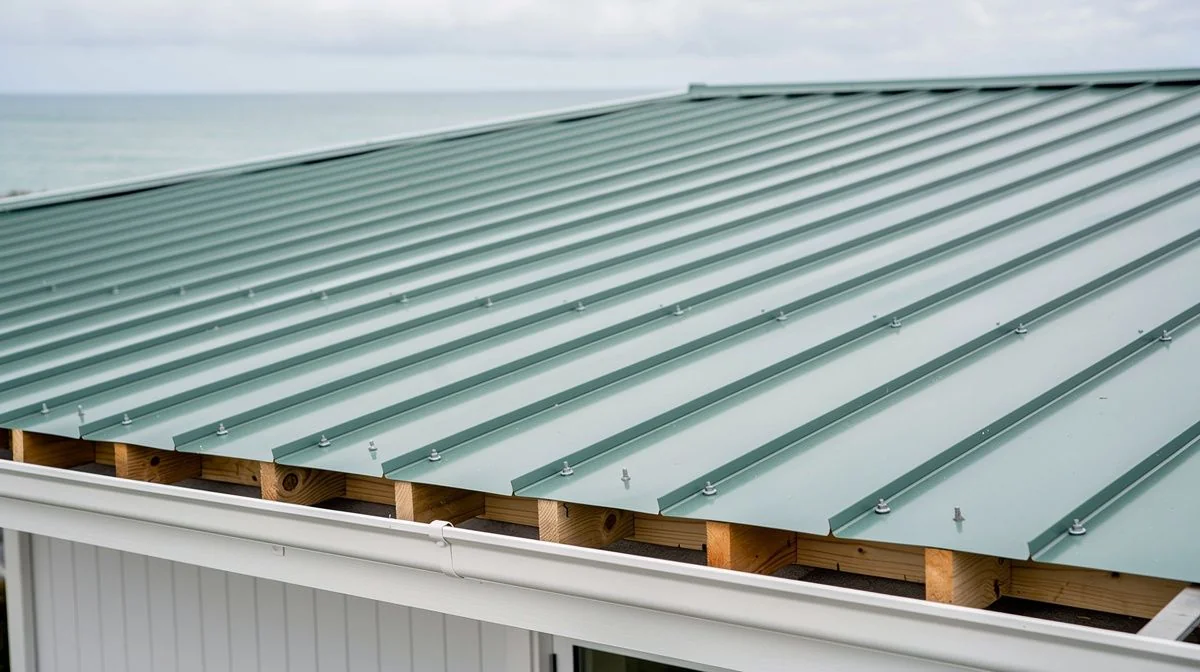
Strip-and-Dispose, Steep Roofs and Scaffolding
Stripping and disposing of the old roof adds roughly 25 per cent. That covers labour to remove the existing covering, sort the waste, and cart it away. If a quote never mentions strip-and-dispose, it's either buried in the square-metre rate, or the roofer intends to lay over the old covering, which hides whatever is failing underneath.
A steep or complex roof adds roughly 10 per cent. A steep pitch slows every part of the job, demands fall protection, and makes each sheet harder to handle. Complex roofs with multiple hips, valleys and penetrations add cutting and flashing time that a plain gable never needs.
Scaffolding is the item most often left out. It is a high separate cost on most two-storey homes, and it can swing quotes by thousands of dollars. Before comparing two prices, confirm in writing whether scaffolding is included, who arranges it, and whether the figure is a fixed cost or an allowance that gets topped up later.
Why Long-Run Steel Dominates New Zealand Re-Roofing
Long-run steel is the default re-roofing material here, and lifespan is the reason. It is rated for 40 to 60 years inland, longer than most owners stay in the house. Metal tiles last 40 to 50 years and concrete tiles 50 years or more, but both are heavier to install and to remove.
Steel is also light. It often goes onto existing framing without the structural work a heavier roof can require, which keeps the job simpler and the total lower. It handles movement well, installs quickly, and can be repaired sheet by sheet if a branch or a stray ladder does damage.
The catch is the specification. Two long-run steel quotes can look identical on paper and describe completely different roofs, because what matters is what sits underneath and what holds the sheets down. That is the gap a low price is usually hiding.
Signs It Is Time to Re-Roof
Roofs rarely fail without warning. Watch for rust coming through the metal, leaks that keep returning in the same place, several cracked or slipped tiles, and ridge caps that have lifted or lost their seal. Any one of those on a roof past its middle years deserves an inspection, not another patch.
- Rust bleeding through the sheet, especially along laps and around fixings.
- Leaks that come back after repair, which usually points to failed underlay.
- Cracked, slipped or missing tiles after a strong wind.
- Lifted or unsealed ridge caps and flashings.
- Soft or sagging areas underfoot, which point to battens or framing.
- An inspection costing $300 to $500 is little money compared with committing to a replacement you didn't need, or delaying one you did.
Local Factors That Change the Job
Salt Corrosion and Fixings
Coastal addresses need different fixings and coatings from inland ones. Standard fasteners can corrode where they penetrate the sheet, and once a fixing lets go, the sheet moves. Higher-corrosion-zone fasteners, sealed washers and treated cut edges cost more and matter more here. If the quote omits the fastener specification, ask.
Rain, Flashings and Roof Pitch
Tauranga's rainfall makes flashing detail the difference between a dry house and a leaky one. Valleys, parapets, chimneys and roof-to-wall junctions carry the water. Ask which flashing material is specified and whether profiles are formed on site or delivered pre-formed.
Ultraviolet Light and Coating Breakdown
Strong sun breaks down roof coatings, particularly on north and west faces. Washing the roof clears salt and organic growth before it holds moisture against the metal. A better coating adds real years.
An Older Population and a High-Value Market
Tauranga's population is older than the national average, so many owners weigh roof spending against retirement and drawdown planning. Deferred work does not stay cheap. A leaking roof does not wait for a comfortable year, and water damage inside costs more than the covering would have.
How to Choose a Roofer in Tauranga
Ask what is going under the roof before you discuss what goes on top. Underlay and battens sit between the sheeting and your ceiling; they are invisible once the job is finished, and they are the first thing a cheap quote removes. Failed underlay is the usual reason a young roof leaks despite sound sheets.
Then ask who carries the warranty, and get the terms for both materials and workmanship in writing. Product names and specifications for sheeting, underlay and fixings belong in the quote. A roofer who cannot list them is not pricing the same job as one who can.
Warning Signs
- A quote that never mentions scaffolding.
- No product name or specification for sheeting, underlay or fixings.
- Cash-only pricing with no written contract or invoice.
- A price far below every other quote for the same scope.
- No local address and no record of completed work nearby.
Questions You Might Have
Can the new roof go over the old one?
Sometimes, but think carefully. Roofing over the top saves the strip-and-dispose cost and hides the condition of battens and underlay. If the underlay has failed, covering it traps the problem. Ask what you are giving up before you choose the cheaper path.
Is a cheap quote ever the right call?
Rarely on a roof. The visible part of the job is easy to price, and the invisible part is where the value sits. A quote that skips underlay or battens is not a bargain, because fixing those failures later means stripping the new roof as well.
Do I need consent to re-roof?
Ask your local council before work starts. Like-for-like replacements and changes to roof weight or structure are treated differently, and rules differ for heritage and high-wind areas. It is a five-minute question now and a costly one afterwards.
What Matters Most
The cheapest roof on paper is rarely the cheapest over the life of the house. What separates a covering that lasts four or five decades from one that fails in ten years is underlay, battens, fixings and flashings, none of which you will see again once the sheets are down.
In Tauranga, the specification has to match the address. Ask for the fastener class, coating, and underlay in writing; confirm scaffolding and strip-and-dispose are included; and get three quotes priced on the same scope. Our roofers trade hub shows how roofing is priced elsewhere.

The ValueHub Team built this site because finding clear, unbiased financial information in New Zealand was harder than it should be. Every guide is based on real research — we compare the actual fees, terms, and fine print so you don't have to. Our tip: shop around every year, read the policy docs, and never assume loyalty gets you the best deal.— The ValueHub Team
Try our Calculators
Use these free tools to crunch the numbers:
KiwiSaver Fund Comparison
Compare fees, returns, and risk levels across every KiwiSaver fund — the most up to date data in New Zealand.
Currency Converter — USD to NZD
Convert US Dollars to New Zealand Dollars instantly. See the latest exchange rate and 30-day trend.
Mortgage Repayment Calculator
Calculate your weekly, fortnightly, or monthly mortgage repayments. Free NZ mortgage calculator — try different rates, terms, and repayment frequencies.
Compound Interest Calculator
See how your savings grow with compound interest over time. Free NZ compound interest calculator with yearly, monthly, and weekly compounding options.
Term Deposit Calculator
Calculate your term deposit returns before you lock in. Compare interest earned across different terms and rates with ValueHub's free calculator.
Savings Goal Calculator
Calculate how long it will take to reach your savings goal — and what monthly deposit you need to get there. Free NZ savings planner.
Roofers in Other Cities
Latest Guides & Reviews
KiwiSaver and Tax — PIR, ESCT and What You Actually Pay
KiwiSaver is taxed twice — ESCT on your employer's contribution and your PIR on the fund's returns. How each rate is set, and the two most members never check.
reviewInvestNow KiwiSaver Scheme Review
InvestNow KiwiSaver review: 45 open funds, fund charges from 0.03 to 1.38 per cent, and net returns to 30 June 2026.
reviewKernel KiwiSaver Scheme Review
Kernel KiwiSaver review: 25 open funds, fund charges from 0.25 to 0.45 per cent, and net returns to 30 June 2026.
guideTax Debt in New Zealand — The Numbers
Official figures on New Zealand's overdue tax debt: the total, the collectable share, which customer groups hold it, and how much is repaid or written off.