Best Rubbish Removals in Kapiti
Published 4 April 2025 · Updated 30 January 2026
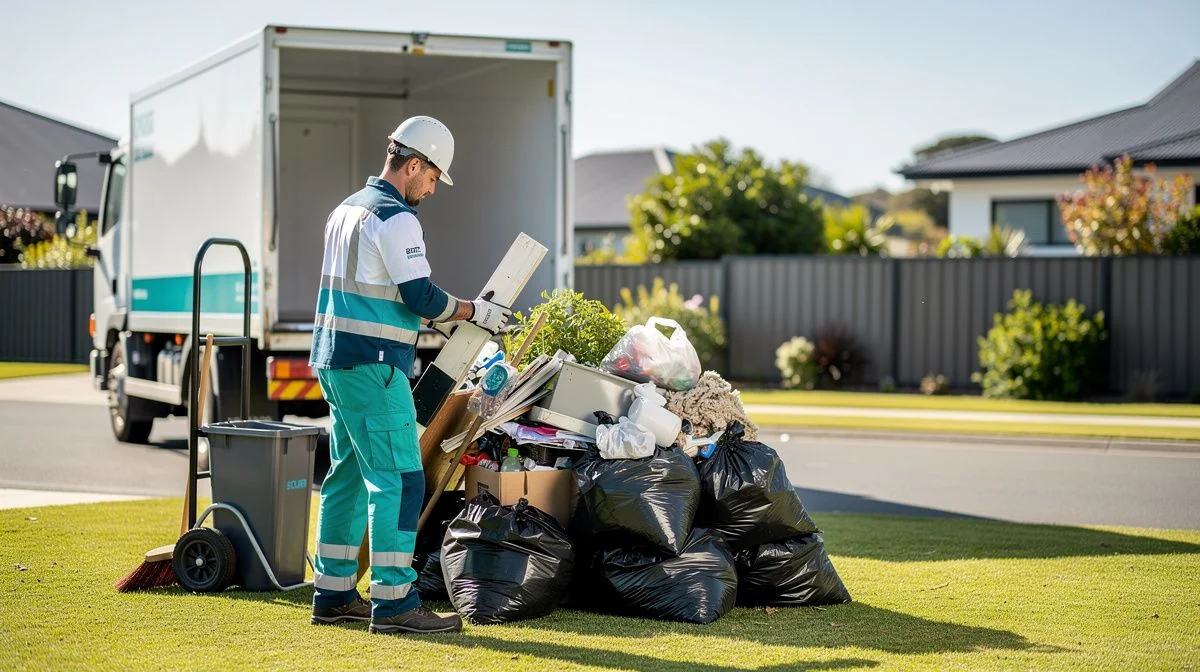
Finding Rubbish Removals in Kapiti
Whether you're doing a spring clean, renovating your home, or clearing out an overgrown section, finding a reliable rubbish removal service in Kapiti can save you a heap of time and hassle. The Kapiti Coast – from Paraparaumu to Waikanae, Raumati, and Ōtaki – has a mix of urban properties and rural lifestyles, so your needs might be quite different from someone in a city like Wellington.
Local operators know the area well, including which landfills or transfer stations accept different waste types and what the council rules are around skip bins on the road. With a bit of research, you can find a service that handles everything from green waste and old furniture to construction rubble and household junk.
What to look for when hiring a Rubbish Removal in Kapiti
Not all rubbish removal companies are the same. Some specialise in small household lots, while others focus on larger commercial or renovation clean-ups. Here are a few key things to check before you book:
- Licensing and insurance – Reputable operators should hold current public liability insurance and a valid waste carrier licence. Ask to see their credentials, or check with Kapiti Coast District Council for any specific requirements.
- Local knowledge – A Kapiti-based company will know which transfer stations accept what, and can advise on disposal fees and environmental rules. They'll also understand local access issues, like narrow driveways or busy streets in coastal suburbs.
- Waste disposal practices – Many services now sort waste to maximise recycling and minimise landfill. If sustainability matters to you, ask how they handle materials like metal, green waste, e‑waste, and hazardous items.
- Transparent pricing – Look for upfront quotes that clearly state what’s included – labour, transport, disposal fees, and any GST. Beware of quotes that seem too cheap, as they might add fees later.
- Customer reviews – Check recent reviews on Google or local Facebook community groups. Look for comments about punctuality, professionalism, and whether the company left the site clean and tidy.
Key questions to ask before hiring
Asking the right questions helps you avoid surprises and ensures the service matches your job. Here are the ones we recommend:
- “What types of waste do you accept – and what can’t you take?” – Most services won’t take hazardous materials (paint, chemicals, asbestos) or large amounts of liquid waste. Check before they arrive.
- “Do you provide a same‑day or next‑day service?” – Availability varies, especially in peak seasons like summer or after big storms. If you need urgent removal, confirm timing upfront.
- “Can you access my property?” – If you live down a narrow lane or have limited turning space, let them know. Some companies only bring trucks that need ample room.
- “What happens if I have more stuff than expected?” – Some operators charge by the cubic metre or by the truckload. Get clarity on how they measure volume and whether overruns are charged at a different rate.
- “Do you sort recyclables from the waste?” – This can affect the final price, because recycling often costs less to dispose of than general rubbish. A good company will separate items and pass on the savings.
Tips for getting the best results
To make the job smoother and keep costs down, a little preparation goes a long way:
- Sort your rubbish beforehand – Separate green waste, scrap metal, e‑waste, and general junk. Some companies charge less for sorted loads, and it helps them recycle more.
- Keep access clear – Move cars, bins, and garden items out of the way so the collection team can get straight to your pile. If the rubbish is in the back garden, let them know the easiest path.
- Check council rules for skip bins on the road – If you’re hiring a skip bin instead of a full removal service, Kapiti Coast District Council requires a permit if the bin sits on the road or footpath. Always confirm with your operator whether they handle this.
- Ask about donation options – Some companies will take usable furniture, clothes, or books to local charities like the Kapiti Foodbank or the Salvation Army. It’s a great way to keep things out of landfill and help the community.
- Book ahead during busy times – Spring and summer are peak seasons for clean‑ups, so get your spot sorted early. Last‑minute bookings can still happen, but you might pay a premium.
A note about costs and getting quotes
Rubbish removal costs on the Kapiti Coast vary depending on the volume of waste, the type of materials, and how far the truck has to travel to the nearest transfer station (like the Ōtaki or Waikanae landfills). For a standard small load – say a few bags of household junk – you might pay anywhere from $150 to $300. Larger loads or full skip bins can run from $400 to $800 or more, especially if they include heavy items like concrete or soil.
Getting at least three quotes is the best way to compare both price and service. Most reputable operators provide free, no‑obligation quotes over the phone or via an online form. When you request a quote, give an honest description of the waste: approximate volume, weight, and any tricky items (like old tyres, mattresses, or e‑waste). That way the price you’re quoted will be the price you pay – no nasty surprises.
Always confirm whether the quote includes disposal fees, labour, and GST. And remember: the cheapest option isn’t always the best if the company doesn’t dispose of waste responsibly. A few extra dollars for a service that sorts recycling and follows local rules is money well spent for the environment and your peace of mind.

The ValueHub Team built this site because finding clear, unbiased financial information in New Zealand was harder than it should be. Every guide is based on real research — we compare the actual fees, terms, and fine print so you don't have to. Our tip: shop around every year, read the policy docs, and never assume loyalty gets you the best deal.— The ValueHub Team
Try our Calculators
Use these free tools to crunch the numbers:
PAYE Calculator
Calculate your take-home pay after PAYE tax, ACC, KiwiSaver, and student loan deductions.
Compound Interest Calculator
See how your savings grow with compound interest over time. Free NZ compound interest calculator with yearly, monthly, and weekly compounding options.
Mortgage Repayment Calculator
Calculate your weekly, fortnightly, or monthly mortgage repayments. Free NZ mortgage calculator — try different rates, terms, and repayment frequencies.
Term Deposit Calculator
Calculate your term deposit returns before you lock in. Compare interest earned across different terms and rates with ValueHub's free calculator.
Savings Goal Calculator
Calculate how long it will take to reach your savings goal — and what monthly deposit you need to get there. Free NZ savings planner.
Credit Card Repayment Calculator
See how long it really takes to pay off your credit card — and how much interest you could save by paying more each month. Free NZ calculator.
Rubbish Removals in Other Cities
Best Rubbish Removals in Auckland
Best Rubbish Removals in Wellington
Best Rubbish Removals in Christchurch
Best Rubbish Removals in Hamilton
Best Rubbish Removals in Tauranga
Best Rubbish Removals in Dunedin
Latest Guides & Reviews
US Dollar to NZD: A Practical Guide for Kiwis
Compare the true cost of buying USD in NZ. We reveal the fees, margins, and hidden charges banks, Wise, and airport desks add to every US dollar transfer.
reviewUnderstanding NZ Council Rates
Follow a single rates dollar from your bank account to see where it really goes and how councils set your bill.
comparisonBest Gold and Platinum Credit Cards in New Zealand
Best gold and platinum credit cards in NZ compared: when a $150 annual fee pays for itself through travel insurance and perks.
guideBest Investment Managers in New Zealand
Compare Fisher Funds, Milford, and Pie Funds in this practical guide to vetting NZ investment managers before you trust them with your money.