Best Rubbish Removals in Wairarapa
Published 04 April 2025 · Updated 18 August 2026
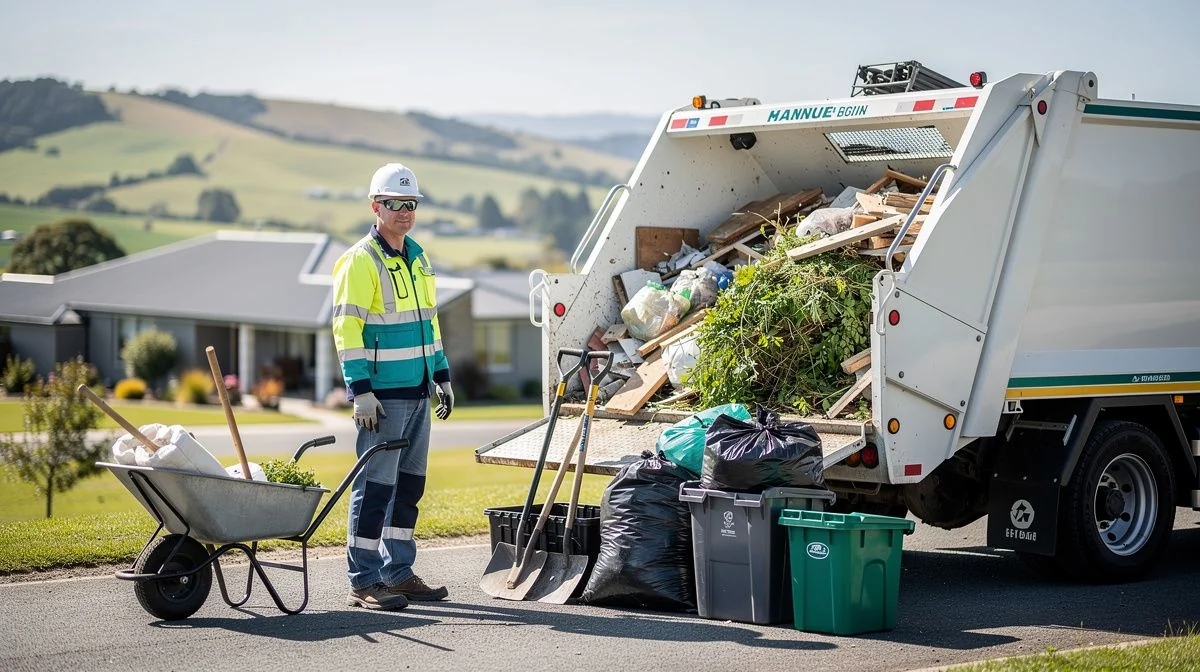
Finding Rubbish Removals in Wairarapa
Whether you're clearing out a section in Carterton, tidying up after a renovation in Masterton, or dealing with garden waste in Greytown, finding a reliable rubbish removal service in the Wairarapa makes the job much easier. The region covers a mix of rural properties, small towns, and lifestyle blocks, so your needs might be different depending on where you live.
Most Wairarapa rubbish removal operators offer flexible options — from trailer and ute loads right through to full skip bins. Some also offer same-day or weekend pickups, which can be a lifesaver if you're working to a tight deadline.
Because there aren't as many providers as in Wellington city, it pays to book ahead, especially during spring clean season or after big weather events. The key is finding someone who's reliable, transparent about pricing, and properly licensed to dispose of your waste.
What to look for when hiring a rubbish removal in Wairarapa
Not all rubbish removal services are created equal. Here are the main things to check before you hand over your cash.
Proper disposal practices
You want a company that takes waste to the right facility — not someone who'll dump it illegally in a back paddock or down a rural road. Ask where your rubbish will end up. Legitimate operators use council transfer stations or licensed landfills in places like Masterton, Featherston, or Greytown.
Licensing and insurance
A professional operator should have public liability insurance and, if they operate vehicles over a certain weight, proper commercial vehicle licensing. In the Wairarapa, many smaller operators run utes and trailers — check they're covered for the work they're doing.
Clear pricing structure
Look for a company that gives you a quote upfront based on volume, weight, or type of waste. Avoid anyone who gives a vague estimate over the phone and then charges more once they arrive. Some operators charge by the cubic metre, others by the tonne — make sure you understand which one applies.
Local knowledge
A Wairarapa-based operator knows the layout of the region, including which roads are suitable for larger trucks and where the nearest transfer stations are. They'll also be aware of any local rules about green waste, e-waste, or hazardous materials.
Reviews and reputation
Check Google, Facebook, or local community pages for feedback from other customers. In a close-knit region like the Wairarapa, word of mouth matters. If someone's done a good job for your neighbour, they're likely to do a good job for you.
Key questions to ask before hiring
Before you book, run through these questions with the provider. They'll help you avoid surprises and make sure the service matches your needs.
- What types of waste do you accept? Some companies won't take green waste, building rubble, or old tyres. Others charge extra for them. Get clarity upfront.
- How do you charge? Is it by the load, by weight, or a flat rate? Is there a minimum charge? Do they charge extra for heavy items like concrete or soil?
- Will you provide a written quote? A reputable operator should be happy to give you a quote in writing, even if it's just via email or text.
- Do you sort or recycle any of the waste? Many Wairarapa companies try to divert usable materials from landfill — metal, timber, green waste, or furniture that can go to charity.
- What happens to items I leave on the kerb? If you want them to take something from a specific spot, confirm they'll come onto your property or only take from the roadside.
- Can you access my property? If you're down a narrow driveway, up a steep hill, or have limited turning space, let them know. Some operators use larger trucks that won't fit everywhere.
- How do I pay? Most take bank transfer or cash. Some accept credit cards but may charge a fee. Confirm payment before the job.
Tips for getting the best results
Once you've chosen a provider, a bit of preparation goes a long way. Here's how to make the process smooth from start to finish.
Sort your waste beforehand
Separate your rubbish into piles — general waste, green waste, recyclables, and any hazardous items like paint or chemicals (which most rubbish removal companies won't take anyway). This makes loading quicker and can save you money if the operator charges by weight and recycles materials for free.
Bundle and bag appropriately
If you're bagging rubbish, use tough rubbish bags or contractor bags. Loose items like timber or metal can be stacked neatly. Avoid mixing liquids or sharp objects with other waste — it makes handling safer for everyone.
Clear the access path
Make sure the operator can get to the waste without obstacles. Move vehicles, trailers, or garden equipment out of the way. If you're having a skip bin delivered, check there's enough space to drop it safely and that the ground is firm enough to support the weight.
Check the weather forecast
In the Wairarapa, weather can change quickly. If your rubbish is outside and rain is coming, cover it with a tarp. Nobody wants to handle sodden cardboard or dripping bags. Likewise, if the ground is muddy, the operator may struggle to access your site.
Be present on the day
Try to be home when the rubbish removal arrives. That way you can point out exactly what needs to go, answer any questions, and confirm the load is done to your satisfaction. If you can't be there, make sure you've left clear instructions and the payment is sorted.
Ask about recycling options
Many Wairarapa operators will separate out metals, untreated timber, and certain plastics for recycling. If you want to minimise what goes to landfill, ask if they offer a

The ValueHub Team built this site because finding clear, unbiased financial information in New Zealand was harder than it should be. Every guide is based on real research — we compare the actual fees, terms, and fine print so you don't have to. Our tip: shop around every year, read the policy docs, and never assume loyalty gets you the best deal.— The ValueHub Team
Try our Calculators
Use these free tools to crunch the numbers:
KiwiSaver Fund Comparison
Compare fees, returns, and risk levels across every KiwiSaver fund from all 31 NZ providers.
Currency Converter — USD to NZD
Convert US Dollars to New Zealand Dollars instantly. See the latest exchange rate and 30-day trend.
Mortgage Repayment Calculator
Calculate your weekly, fortnightly, or monthly mortgage repayments. Free NZ mortgage calculator — try different rates, terms, and repayment frequencies.
Compound Interest Calculator
See how your savings grow with compound interest over time. Free NZ compound interest calculator with yearly, monthly, and weekly compounding options.
Term Deposit Calculator
Calculate your term deposit returns before you lock in. Compare interest earned across different terms and rates with ValueHub's free calculator.
Savings Goal Calculator
Calculate how long it will take to reach your savings goal — and what monthly deposit you need to get there. Free NZ savings planner.
Rubbish Removals in Other Cities
Latest Guides & Reviews
New Zealand Financial Markets Authority Guide: Investor Protection in NZ
Protect your investments with this practical guide to the FMA — how to check licences, spot scams, and what to do if a provider fails. Verified against...
comparisonEV Home Charger NZ: Costs & Buying Guide
Compare EV home charger costs in NZ — verified prices from $1,299, installation fees, smart features, and what actually matters for your home's power supply.
guideThe Most Popular EVs in New Zealand
The best-selling electric cars in New Zealand, ranked by official registration data. Top BEV and PHEV models and brands, updated monthly.
guideEV Market Stats
New Zealand's EV market in numbers — market share, fleet size, top-selling models and used imports, updated with the latest NZTA and MIA data.