Best Scaffolders in Blenheim
Published 07 April 2025 · Updated 18 August 2026
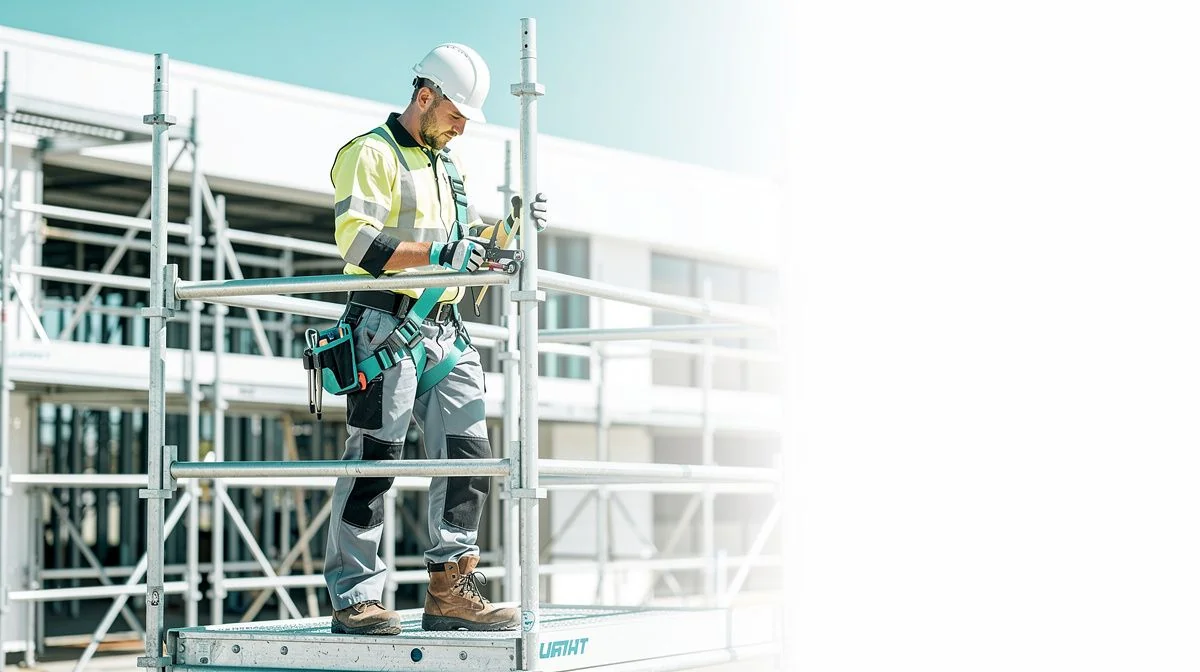
Best Scaffolders in Blenheim
Finding the right scaffolder in Blenheim can feel like a big decision – and it should be. Whether you're painting a two-storey home in Redwoodtown, re-roofing a villa in Renwick, or working on a commercial fit-out in the town centre, scaffolding is not something to rush into. In Marlborough, where the weather can turn from calm to gusty in a hurry, having a safe and stable scaffold is essential.
The good news is Blenheim has a number of experienced scaffolders who know the local conditions and regulations. This guide will help you cut through the options and find a reliable tradesperson for your project.
What to look for when hiring a Scaffolder in Blenheim
Not all scaffolding companies offer the same level of service. Here’s what you should be checking before you commit:
- Safety credentials and licensing – In New Zealand, scaffolding work (especially over a certain height) must be done by someone with the right qualifications. Look for a scaffolder who is Site Safe accredited or holds a current Scaffolding Certificate of Competence. Ask about their health and safety plan for your site.
- Insurance cover – Public liability insurance is non-negotiable. A professional scaffolder will carry cover of at least $1 million. Don't be shy about asking for a certificate of currency – it protects you if something goes wrong.
- Local experience – Scaffolders who work regularly in Blenheim understand the soil conditions (important for base plates), the wind patterns (Marlborough can get some strong nor'westers), and what council requirements apply. They’ll also know how to work around the historic buildings in the town centre.
- References and reviews – Ask for examples of recent jobs similar to yours. Check online reviews on Google or Neighbourly, but take them with a grain of salt – a few recent positive reviews from local homeowners are worth more than dozens from out of town.
- Written quotes and contracts – A proper quote should itemise hire, labour, transport, and any extras like edge protection or stair towers. Avoid any scaffolder who only gives you a verbal estimate.
- Equipment quality – Professionally maintained scaffolding is a must. Look for clean, undamaged components. If the gear looks tatty, the safety attitude probably is too.
Key questions to ask before hiring
Before you sign anything, ask these questions. The answers will tell you a lot about the scaffolder’s competence and attitude.
- “Are you Site Safe accredited and do you have a current certificate of competence for the height of my job?” – This confirms they meet industry standards.
- “What insurance do you carry – and can I see a copy?” – Public liability and workers’ compensation should be standard.
- “Will you provide a detailed written quote that includes all costs – delivery, erection, dismantling, and any extras?” – A good quote leaves no room for surprises.
- “How do you handle weather delays – especially wind?” – In Blenheim, high winds can stop work. A professional will have a clear policy for delays and will not charge you for unexpected weather.
- “What safety measures will you put in place – edge protection, exclusion zones, signage?” – Safety isn't just about the scaffold structure itself.
- “Do you provide a scaffolding plan or drawings?” – For complex or tall structures, a plan shows they’ve thought through the load requirements and access points.
- “Can you give me contact details for two recent local customers?” – Talking to a real client in Blenheim is the best reference you can get.
Tips for getting the best results
Once you’ve chosen your scaffolder, a little preparation on your part goes a long way.
- Plan ahead – Good scaffolders get booked out, especially in the warmer months. Give yourself at least two to three weeks’ notice if you can. Last-minute jobs may limit your choice of contractors.
- Prepare your site – Clear the area around your house or building. Move vehicles, garden furniture, and any obstacles. This saves the scaffolder time and keeps the job running smoothly.
- Communicate clearly – Tell your scaffolder exactly what work will be done on the scaffold – for example, are you using a paint sprayer, a brick saw, or roofing tools? This affects loading and safety requirements.
- Check the scaffold before you use it – Once erected, the scaffolder should give you a handover checklist. Walk around the structure, check for any loose boards or gaps. If something looks wrong, say so straight away.
- Keep everyone off the scaffold until it’s signed off – Don’t let tradespeople or family members climb up until the scaffolder has confirmed it’s safe.
- Get everything in writing – From the quote to the completion of the job, have a paper trail. It protects both you and the scaffolder if any issues arise.
A note about costs and getting quotes
Scaffolding costs in Blenheim vary depending on the size and complexity of the job, how long you need the scaffold for, and access to the site. Typical factors that influence the price include the height of the structure, whether you need extra safety features like stair towers or debris netting, and how far the scaffolding company has to travel (most serve the wider Marlborough region from Blenheim or Picton).

The ValueHub Team built this site because finding clear, unbiased financial information in New Zealand was harder than it should be. Every guide is based on real research — we compare the actual fees, terms, and fine print so you don't have to. Our tip: shop around every year, read the policy docs, and never assume loyalty gets you the best deal.— The ValueHub Team
Try our Calculators
Use these free tools to crunch the numbers:
KiwiSaver Fund Comparison
Compare fees, returns, and risk levels across every KiwiSaver fund from all 31 NZ providers.
Currency Converter — USD to NZD
Convert US Dollars to New Zealand Dollars instantly. See the latest exchange rate and 30-day trend.
Mortgage Repayment Calculator
Calculate your weekly, fortnightly, or monthly mortgage repayments. Free NZ mortgage calculator — try different rates, terms, and repayment frequencies.
Compound Interest Calculator
See how your savings grow with compound interest over time. Free NZ compound interest calculator with yearly, monthly, and weekly compounding options.
Term Deposit Calculator
Calculate your term deposit returns before you lock in. Compare interest earned across different terms and rates with ValueHub's free calculator.
Savings Goal Calculator
Calculate how long it will take to reach your savings goal — and what monthly deposit you need to get there. Free NZ savings planner.
Scaffolders in Other Cities
Latest Guides & Reviews
New Zealand Financial Markets Authority Guide: Investor Protection in NZ
Protect your investments with this practical guide to the FMA — how to check licences, spot scams, and what to do if a provider fails. Verified against...
comparisonEV Home Charger NZ: Costs & Buying Guide
Compare EV home charger costs in NZ — verified prices from $1,299, installation fees, smart features, and what actually matters for your home's power supply.
guideThe Most Popular EVs in New Zealand
The best-selling electric cars in New Zealand, ranked by official registration data. Top BEV and PHEV models and brands, updated monthly.
guideEV Market Stats
New Zealand's EV market in numbers — market share, fleet size, top-selling models and used imports, updated with the latest NZTA and MIA data.