Best Scaffolders in Porirua
Published 07 April 2025 · Updated 18 August 2026
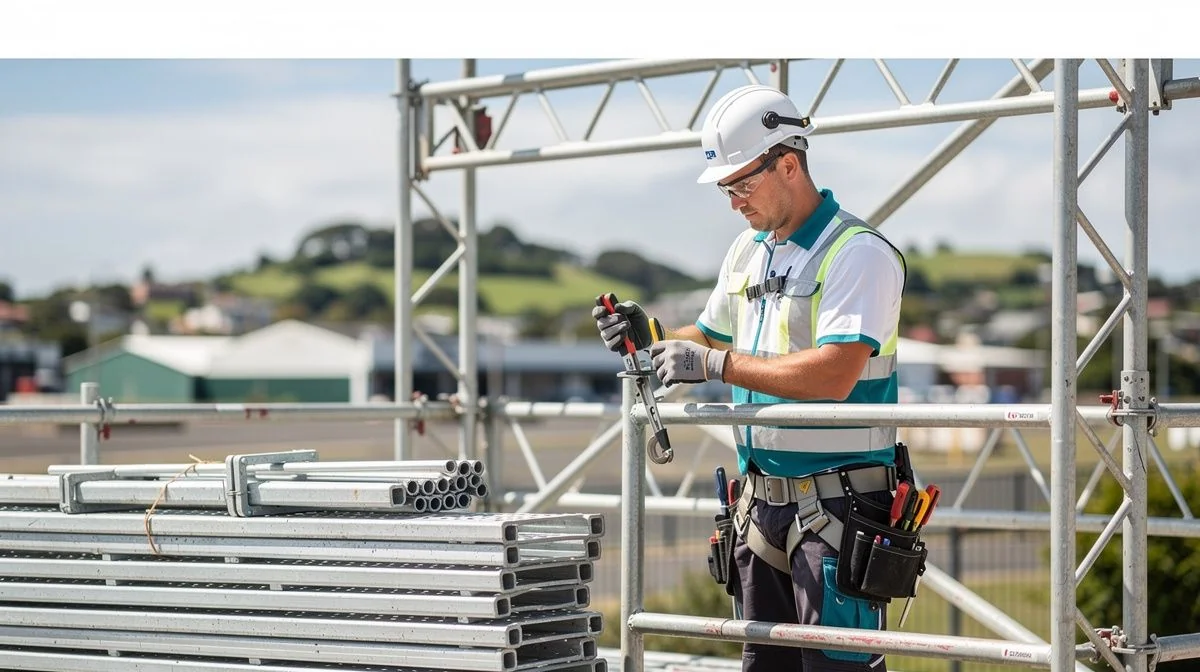
Best Scaffolders in Porirua
Finding reliable scaffolders in Porirua can save you time, stress, and money — whether you're painting a weatherboard home in Whitby, recladding a property in Tītahi Bay, or managing a commercial project near the central city. Porirua’s mix of steep sections, coastal winds, and older housing stock means you need someone who understands local conditions.
Scaffolding isn't just about getting up high. It's about safety, efficiency, and making sure the job runs smoothly. The right scaffolder will help you avoid delays, keep your site compliant, and protect your property. This guide walks you through what to watch for, what to ask, and how to get the best result for your Porirua project.
What to look for when hiring a Scaffolder in Porirua
Before you hire anyone, take a few minutes to check their credentials and experience. Porirua has its own quirks — narrow driveways, council permits for street footings, and gusty nor-westers that can affect stability.
Our Trusted Scaffolders
We feature businesses that demonstrate strong performance, proven experience, and consistently positive customer feedback. Some of the providers listed may have commercial relationships with us, but all are selected based on quality and reliability.
To begin, reach out to them and speak with them directly — this helps you explain your job, ask questions, and confirm whether they're the right fit.
Safe and Reliable Scaffolding Solutions. New Zealand Wide. At Geeves Scaffolding, we’ve been at the forefront of the scaffolding industry for 15 years. Our unwavering dedication to quality and integrity has earned us the trust of clients and partners nationwide.
Licensing and safety compliance
All scaffolders in New Zealand should follow the Health and Safety at Work Act. While there's no single national licence for scaffolders, reputable operators carry Site Safe or equivalent certification and have their staff trained in working at heights. Ask if they’re a member of the Scaffolding and Access Industry Association (SAIA) — it's a good sign of professional standards.
Porirua City Council may also require a permit if the scaffolding encroaches on footpaths or roads. A good scaffolder will handle these applications on your behalf. Check with your local council for current requirements.
Experience with local conditions
Porirua’s weather can be unpredictable. A scaffolder who knows the area will factor in wind loads, especially on exposed sites along the harbour or higher slopes. They should use appropriate ballasting and tie-downs to keep everything secure.
Also look for experience with the type of property you have. Older villas and bungalows in Porirua East or Takapūwāhia may need more care to avoid damaging guttering or cladding. Newer builds in Aotea or Papakōwhai often have different access issues.
Insurance cover
Never hire a scaffolder who can't show you a current public liability insurance certificate. This protects you if something goes wrong — damage to your roof, a dropped plank, or an accident on site. Ask for a copy before they start work.
Key questions to ask before hiring
Asking the right questions upfront can prevent headaches later. Here are some to put to any scaffolder you're considering:
- How long will it take to erect and dismantle? — Get a clear timeline. A small residential job might take half a day, while a full house wrap could be two days. Make sure they factor in weather delays.
- Do you provide a site-specific design or load calculation? — For anything over 3 metres or complex shapes, a proper engineered design is essential. It's not just a stack of pipes — it needs to be safe for the specific structure.
- What’s included in the quote? — Clarify whether the price covers delivery, permits, safety mesh, stair towers, and any extra days if the job runs over. Hidden extras can add up fast.
- Do you have references from recent Porirua jobs? — A local scaffolder should happily share examples. Drive past their past sites if you can — tidy, well-secured scaffolding says a lot.
- How do you handle high winds? — They should have a clear policy for monitoring weather and securing scaffolding when winds pick up. Porirua’s gusts can be strong enough to shift poorly anchored frames.
- Are your workers trained and supervised? — Even if the company is reputable, the crew on site matters. Ask about supervisor qualifications and how they manage new staff.
Tips for getting the best results
Once you've chosen a scaffolder, a few simple steps will help the job go smoothly from start to finish.
Plan ahead
Contact scaffolders at least two to four weeks before you need the gear, especially in spring and summer when demand is higher. Porirua sees a lot of renovation work, so scaffolders can get booked out. Give them a clear description of the job — height, length, access points, and any tricky spots like conservatories or tight gates.
Prepare your site
Clear the area around your house. Move cars, bins, pot plants, and anything that could get in the way. Trim back trees or shrubs that might interfere with scaffolding placement. A clean site means faster setup and less chance of damage.
Communicate clearly
Let your scaffolder know about underground services — gas, water, power, fibre cables — especially if you're on a sloping section where ground anchors may be used. Also tell them about any fragile roofing materials or solar panels. Good communication avoids costly mistakes.
Stay in touch during the job
If plans change — you decide to repaint the soffits or fit new guttering — let them know early. Extra work often means modifying the scaffold structure, which can affect timelines and costs. A quick phone call saves confusion.
Inspect the scaffolding before use
When the scaffolder finishes, walk around the structure. Check that all planks are secure, guardrails are in place, and toeboards are fitted. If something looks off, say so before anyone climbs. Reputable scaffolders will fix issues immediately.
A note about costs and getting quotes
Scaffolding costs in Porirua vary depending on the size, height, duration, and complexity of the job. Small residential setups — say, a two-storey house frontage for a week — typically fall in a moderate price range, while full-house wraps with stair towers and loading platforms cost more.
Rather than fixating on a single number, focus on getting at least three written quotes. This gives you a feel for the market and helps you spot unusually low or high bids. Very cheap quotes may cut corners on safety or use hire gear not rated for the job. Very expensive ones might include extras you don't need.
When comparing quotes, lay them side by side. Look at what's included: delivery, removal, permits, safety mesh, handrails, and any call-back charges if you need a last-minute adjustment. Ask each scaffolder to explain their breakdown clearly.
Also consider the length of hire. Many companies charge a set rate for the first week (or month for larger projects), then a lower weekly or daily rate after that. If your project is likely to stretch out, negotiate a longer-term rate upfront — it can save a surprising amount.
Finally, remember that in Porirua you may need a council permit if scaffolding goes over the footpath. The cost of the permit is usually passed on to you, so check whether it's included in the quote. A good scaffolder will manage the paperwork and let you know exactly what's required.
Taking the time to choose wisely now means you'll have safe, sturdy scaffolding that lets your trades work efficiently — and gets your project finished on time and on budget.

The ValueHub Team built this site because finding clear, unbiased financial information in New Zealand was harder than it should be. Every guide is based on real research — we compare the actual fees, terms, and fine print so you don't have to. Our tip: shop around every year, read the policy docs, and never assume loyalty gets you the best deal.— The ValueHub Team
More Scaffolders in Porirua
These businesses also operate in this area.
Wellington Scaffolding offers expert scaffolding services in Wellington, Porirua, Hutt Valley & Kapiti Coast. Safe, efficient solutions for all your projects. Wellington Scaffolding serves commercial and residential clients across the Wellington region by providing reliable, cost-effective scaffolding and shrinkwrap so
Try our Calculators
Use these free tools to crunch the numbers:
KiwiSaver Fund Comparison
Compare fees, returns, and risk levels across every KiwiSaver fund from all 31 NZ providers.
Currency Converter — USD to NZD
Convert US Dollars to New Zealand Dollars instantly. See the latest exchange rate and 30-day trend.
Mortgage Repayment Calculator
Calculate your weekly, fortnightly, or monthly mortgage repayments. Free NZ mortgage calculator — try different rates, terms, and repayment frequencies.
Compound Interest Calculator
See how your savings grow with compound interest over time. Free NZ compound interest calculator with yearly, monthly, and weekly compounding options.
Term Deposit Calculator
Calculate your term deposit returns before you lock in. Compare interest earned across different terms and rates with ValueHub's free calculator.
Savings Goal Calculator
Calculate how long it will take to reach your savings goal — and what monthly deposit you need to get there. Free NZ savings planner.
Scaffolders in Other Cities
Latest Guides & Reviews
New Zealand Financial Markets Authority Guide: Investor Protection in NZ
Protect your investments with this practical guide to the FMA — how to check licences, spot scams, and what to do if a provider fails. Verified against...
comparisonEV Home Charger NZ: Costs & Buying Guide
Compare EV home charger costs in NZ — verified prices from $1,299, installation fees, smart features, and what actually matters for your home's power supply.
guideThe Most Popular EVs in New Zealand
The best-selling electric cars in New Zealand, ranked by official registration data. Top BEV and PHEV models and brands, updated monthly.
guideEV Market Stats
New Zealand's EV market in numbers — market share, fleet size, top-selling models and used imports, updated with the latest NZTA and MIA data.