Best Scaffolders in Wairarapa
Published 07 April 2025 · Updated 18 August 2026
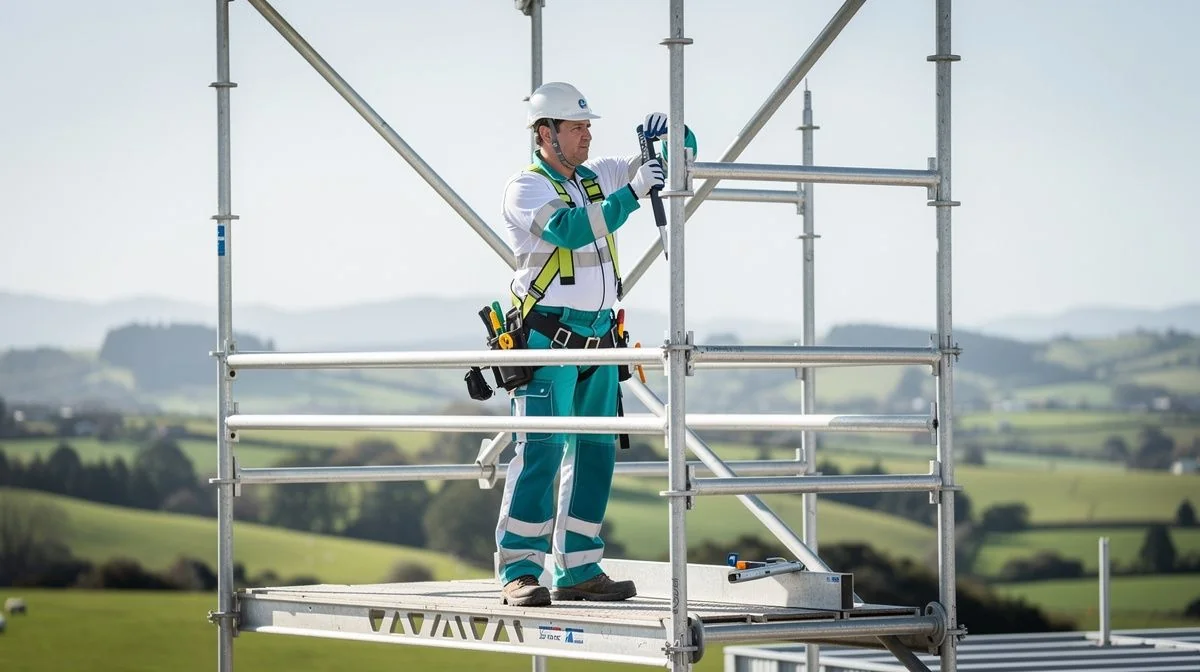
Whether you’re painting a weatherboard villa in Masterton, re-roofing a bach in Martinborough, or building a new home near Greytown, hiring a scaffolder in Wairarapa is about more than just getting someone to stack pipes. Good scaffolding means safe access, efficient work, and peace of mind. In a region where the weather can change from calm to gusty in minutes — especially around the Rimutaka hills — you want a scaffolder who knows local conditions.
Finding the right person for the job starts with knowing what to look for, what to ask, and how to compare your options. This page walks you through that process — so you can hire with confidence.
What to look for when hiring a scaffolder in Wairarapa
Scaffolding is a skilled trade with serious safety responsibilities. A poorly erected scaffold can cause injury, damage property, or stall your project. Here’s what matters most.
Training and competency
New Zealand has no single national licence for scaffolders, but there are recognised training standards. Look for scaffolders who hold unit standards from the New Zealand Qualifications Authority (NZQA) — especially from the Scaffolding, Access and Rigging (SAR) sector. These cover basic, intermediate, and advanced levels. Also check for Site Safe certification or a current Site Safe Passport.
Ask about ongoing training too. The best scaffolders keep up to date with changes in the Health and Safety at Work Act 2015 and any local council requirements. Remember: safety is not a one-off – it’s a daily practice.
Insurance
Every scaffolder should have public liability insurance of at least $1 million (many carry $2 million or more). This covers any accidental damage to your property or injury to a third party. Ask to see a current certificate of insurance before work starts.
Local experience
Wairarapa has its own quirks. Strong nor’westers, frosty mornings, and occasional heavy rain can affect how scaffolding is set up and used. A scaffolder who works regularly in your area will know which way the wind blows on your street — and how to tie down a scaffold properly. They’ll also be familiar with local council rules for permits and road closures if your scaffolding overhangs the footpath.
References and reviews
Ask for examples of recent work in the Wairarapa area — ideally jobs similar to yours. If possible, speak with a past client or two. Online reviews on Google, Trade Me Services, or local Facebook community groups can give you a feel for reliability and professionalism. Look for mentions of punctuality, cleanliness, and communication as well as technical skill.
Written quote and contract
A reputable scaffolder will provide a detailed written quote before starting. It should list exactly what’s included: materials (scaffold poles, planks, guardrails, access ladders), labour for erection and dismantling, transport charges, and any extra items like debris netting or safety gates. A clear contract also sets out payment terms, timeline, and what happens if changes are needed or if weather delays the job.
Key questions to ask before hiring
Asking the right questions early can save time, money, and headaches. Here are the ones we recommend:
- What training do your crew members hold? – Confirm NZQA unit standards and Site Safe certification.
- Will the scaffold be engineered or designed for my building? – For complex or tall jobs (over 5 metres), an engineer’s design may be needed. Even for simpler jobs, the scaffolder should follow manufacturer guidelines.
- Do you provide a fixed price, or is it per hour? – Fixed price with a clear scope is usually better for budgeting. Per-hour can blow out if there are delays.
- How do you handle weather delays? – Wind and rain can stop erection and use. Find out if there are any standby charges or cancellation fees.
- What happens if my project runs over time? – Extra weeks can add cost. Ask about weekly hire rates and notice needed for early return or extension.
- Who is responsible for inspecting the scaffold during use? – The scaffolder should do a final inspection and handover, but as the client or builder, you also have duties to check the scaffold daily before use.
- Do you take care of council permits if needed? – If the scaffold extends onto the footpath or road, a council permit is required. Some scaffolders handle this; others expect you to apply. Clarify upfront.
Tips for getting the best results
A good scaffolder does more than turn up with poles. To get the best outcome from the job:
Plan ahead
Scaffolding is often needed at the start of a project, but contact scaffolders early – sometimes weeks ahead in busy seasons. Discuss your timeline, access, and any special requirements like overhangs or fragile rooflines. Give them a clear site plan or photos so they can quote accurately.
Clear the work area
Move vehicles, garden furniture, rubbish bins, and anything that could get in the way. Scaffolders need space to unload and set up. A clear driveway also means fewer access issues. If there’s uneven ground or steep slopes, mention it – they may need base plates or adjustable jacks.
Communicate about weather
Keep an eye on the forecast. If strong winds are predicted, let the scaffolder know you understand they might need to postpone erection. Flexible scheduling helps avoid rushed jobs or unsafe conditions. Likewise, if you need the scaffold up by a hard deadline, discuss contingency plans.
Inspect and sign off
Once the scaffold is up, walk around it with the scaffolder. Check that all guardrails are in place, planks are secure, and access ladders are safe. Sign a handover certificate if the scaffolder provides one – it confirms you accept the setup and understand your responsibilities during use.
Keep communication open during the project
If you notice a loose board or a damaged component, contact the scaffolder straight away. Don’t try to fix it yourself unless you’re trained. A good scaffolder will respond quickly. Also, if your project changes – you decide to paint an extra wall or need a different height – let them

The ValueHub Team built this site because finding clear, unbiased financial information in New Zealand was harder than it should be. Every guide is based on real research — we compare the actual fees, terms, and fine print so you don't have to. Our tip: shop around every year, read the policy docs, and never assume loyalty gets you the best deal.— The ValueHub Team
Try our Calculators
Use these free tools to crunch the numbers:
KiwiSaver Fund Comparison
Compare fees, returns, and risk levels across every KiwiSaver fund from all 31 NZ providers.
Currency Converter — USD to NZD
Convert US Dollars to New Zealand Dollars instantly. See the latest exchange rate and 30-day trend.
Mortgage Repayment Calculator
Calculate your weekly, fortnightly, or monthly mortgage repayments. Free NZ mortgage calculator — try different rates, terms, and repayment frequencies.
Compound Interest Calculator
See how your savings grow with compound interest over time. Free NZ compound interest calculator with yearly, monthly, and weekly compounding options.
Term Deposit Calculator
Calculate your term deposit returns before you lock in. Compare interest earned across different terms and rates with ValueHub's free calculator.
Savings Goal Calculator
Calculate how long it will take to reach your savings goal — and what monthly deposit you need to get there. Free NZ savings planner.
Scaffolders in Other Cities
Latest Guides & Reviews
New Zealand Financial Markets Authority Guide: Investor Protection in NZ
Protect your investments with this practical guide to the FMA — how to check licences, spot scams, and what to do if a provider fails. Verified against...
comparisonEV Home Charger NZ: Costs & Buying Guide
Compare EV home charger costs in NZ — verified prices from $1,299, installation fees, smart features, and what actually matters for your home's power supply.
guideThe Most Popular EVs in New Zealand
The best-selling electric cars in New Zealand, ranked by official registration data. Top BEV and PHEV models and brands, updated monthly.
guideEV Market Stats
New Zealand's EV market in numbers — market share, fleet size, top-selling models and used imports, updated with the latest NZTA and MIA data.