Best Scaffolders in Wanaka
Published 07 April 2025 · Updated 18 August 2026
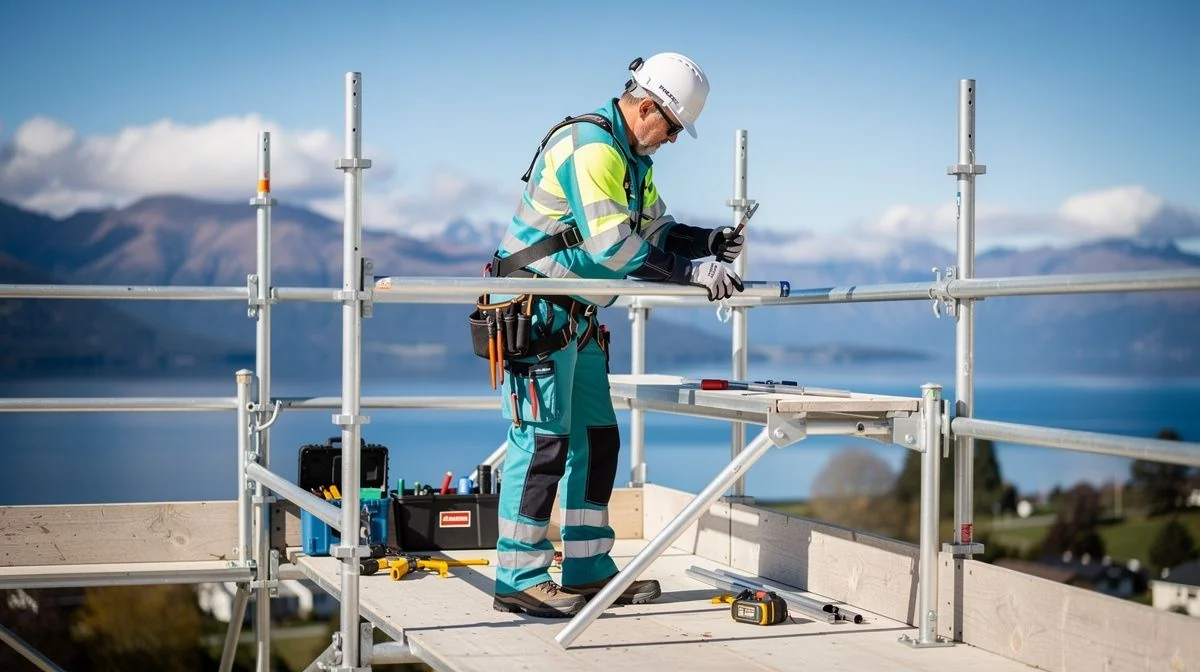
Best Scaffolders in Wanaka
Whether you’re building a new home by the lake, giving your Wanaka bach a fresh coat of paint, or tackling a commercial project in the town centre, scaffolding is one of those jobs you don’t want to get wrong. Getting the right scaffolder in Wanaka means your project stays safe, on schedule, and within budget.
Wanaka’s unique location in the Upper Clutha region brings its own challenges—strong nor’west winds, frosty mornings, and building sites that can be steep or rocky. Local scaffolders understand these conditions and know how to set up gear that stays solid in all weather. The trick is finding someone who’s reliable, qualified, and available when you need them.
This guide walks you through exactly what to look for, what questions to ask, and how to get the best result when hiring a scaffolder in Wanaka.
What to look for when hiring a Scaffolder in Wanaka
Not every scaffolder is the same, and in a smaller town like Wanaka, reputation matters a lot. Here’s what you should be checking before you hand over a deposit.
Licensing and safety compliance
Scaffolding in New Zealand must comply with the Health and Safety at Work Act 2015 and the relevant standards, particularly AS/NZS 1576 (scaffolding) and AS/NZS 4576 (guidelines for scaffolding). While there’s no single national “scaffolding licence” for all heights, scaffolders working on complex or high-risk structures must be trained and competent. Many reputable scaffolders in Wanaka hold Site Safe or equivalent certification.
- Ask for proof of current Site Safe or similar safety credentials
- Check they have a documented health and safety plan (or SWMS – Safe Work Method Statement) for your job
- Confirm they have public liability insurance and, if needed, contractor’s all risk insurance
Local knowledge
Wanaka’s microclimate means scaffolding needs to handle sudden wind gusts, especially in spring and autumn. A local scaffolder will know which streets are sheltered and which are exposed. They’ll also know the council’s requirements for scaffolding on footpaths, road closures, and parking restrictions.
- Look for a scaffolder based in Wanaka or nearby (such as Albert Town or the Cardrona area) rather than one coming from Dunedin or Christchurch – callout fees add up fast
- Ask if they’ve worked on projects similar to yours in Wanaka before
Experience and range of services
Scaffolders in Wanaka handle everything from single-storey residential jobs to multi-storey commercial builds. The best ones can offer:
- Standard tube-and-fitting scaffolding for irregular shapes and difficult terrain
- Modular system scaffolding (like Layher or Cuplock) for faster erecting and dismantling
- Edge protection and handrails for roof work
- Cantilever scaffolding where ground access is limited
- Scaffold with loading platforms for heavy materials (e.g. stone veneers, roofing iron)
If your project is unusual – say, a steep section at the foot of Mount Iron – make sure the scaffolder has done similar tricky sites before.
Key questions to ask before hiring
Asking the right questions saves you from surprises later. Here are the ones that matter most when you’re calling around Wanaka scaffolding companies.
“How long have you been working in Wanaka?”
A scaffolder who’s been on the ground in Wanaka for more than a few years will know the local rules, the weather patterns, and the reliable suppliers. They’re also more likely to be booked out – but that’s a good sign.
“Can you provide a detailed written quote?”
A proper quote should break down:
- Supply and delivery of scaffolding
- Erection and dismantling
- Any hire charges (daily or weekly)
- Transport costs
- Any extra fees for safety handrails, ladders, or loading platforms
Be wary of verbal quotes – get it in writing so you’ve got something to refer back to.
“What’s your lead time right now?”
In peak building season (spring to autumn), Wanaka scaffolders can be booked weeks ahead. If you need scaffolding urgently for a repair or a rush job, ask about their availability and whether they have a cancellation list.
“Do you handle council permits?”
If the scaffolding encroaches onto a footpath or road, or if it’s on a property with heritage covenants, your local council (Queenstown Lakes District Council) may require a permit. Find out whether the scaffolder sorts that out, or if it’s your responsibility. Typically, the scaffolder manages it – but confirm first.
“What happens if the weather delays the job?”
Wanaka’s nor’west winds can stop work in a hurry. A good scaffolder will have a plan for bad weather, including proper tie-downs and a schedule that builds in a couple of rest days if needed.
Tips for getting the best results
Once you’ve chosen a scaffolder, a few small actions can make the experience smoother and the final result better.
Clear the area before they arrive
Scaffolders need access around the building to set up standards (vertical posts) and ledgers. Move pot plants, garden furniture, outdoor toys, building materials, and vehicles well away from the work area. If the ground is soft or muddy, lay down plywood sheets or a temporary ground cover to stop the scaffold legs sinking.
Communicate your timeline clearly
Tell the scaffolder when your tradies are booked – painters, roofers, builders – and when you expect them to finish. That way the scaffolding can be erected and removed around those dates. Last-minute changes cost money, so try to stick to the schedule.
Think about future access
If you’re only scaffolding for one job but you know you’ll need scaffolding again later (e.g. for repainting every few years), ask about rental packages. Some scaffolders in Wanaka offer long-term hire at reduced weekly rates, which can save you money compared to erecting and dismantling afresh each time.
Don’t forget the extras
Safety is non-negotiable. Make sure the quote includes:
- Toe boards to stop tools and materials falling
- Guardrails on all open sides above 2 metres
- Safe access (ladders or stair towers) to get onto the scaffold
- Anti-slip treads or covers if you’ll be working on the scaffold in wet weather
Inspect the scaffold before use
When the scaffolder finishes erecting, they should issue a “scaffold handover certificate” or a tag showing the scaffold is safe to use. Check that all uprights are plumb, all couplers are tight, and there’s no wobble. If you’re unsure, ask them to walk you through it.
A note about costs and getting quotes
Scaffolding costs in Wanaka vary depending on the size and complexity of the job, the height, how long you need it for, and how far the scaffolder has to travel. As a rough guide, a typical residential job might cost anywhere from a few hundred to a few thousand dollars, but every project is different.
To get an accurate picture, follow these steps:
- Shop around. Get at least three written quotes from Wanaka-based scaffolders. Don’t just compare the bottom line – look at what’s included in each quote.
- Ask about weekly hire rates after the first week. Many scaffolders charge a higher rate for the first week (covering erection and dismant

The ValueHub Team built this site because finding clear, unbiased financial information in New Zealand was harder than it should be. Every guide is based on real research — we compare the actual fees, terms, and fine print so you don't have to. Our tip: shop around every year, read the policy docs, and never assume loyalty gets you the best deal.— The ValueHub Team
Try our Calculators
Use these free tools to crunch the numbers:
KiwiSaver Fund Comparison
Compare fees, returns, and risk levels across every KiwiSaver fund from all 31 NZ providers.
Currency Converter — USD to NZD
Convert US Dollars to New Zealand Dollars instantly. See the latest exchange rate and 30-day trend.
Mortgage Repayment Calculator
Calculate your weekly, fortnightly, or monthly mortgage repayments. Free NZ mortgage calculator — try different rates, terms, and repayment frequencies.
Compound Interest Calculator
See how your savings grow with compound interest over time. Free NZ compound interest calculator with yearly, monthly, and weekly compounding options.
Term Deposit Calculator
Calculate your term deposit returns before you lock in. Compare interest earned across different terms and rates with ValueHub's free calculator.
Savings Goal Calculator
Calculate how long it will take to reach your savings goal — and what monthly deposit you need to get there. Free NZ savings planner.
Scaffolders in Other Cities
Latest Guides & Reviews
New Zealand Financial Markets Authority Guide: Investor Protection in NZ
Protect your investments with this practical guide to the FMA — how to check licences, spot scams, and what to do if a provider fails. Verified against...
comparisonEV Home Charger NZ: Costs & Buying Guide
Compare EV home charger costs in NZ — verified prices from $1,299, installation fees, smart features, and what actually matters for your home's power supply.
guideThe Most Popular EVs in New Zealand
The best-selling electric cars in New Zealand, ranked by official registration data. Top BEV and PHEV models and brands, updated monthly.
guideEV Market Stats
New Zealand's EV market in numbers — market share, fleet size, top-selling models and used imports, updated with the latest NZTA and MIA data.