Best Scaffolders in West Coast
Published 7 April 2025 · Updated 27 January 2026
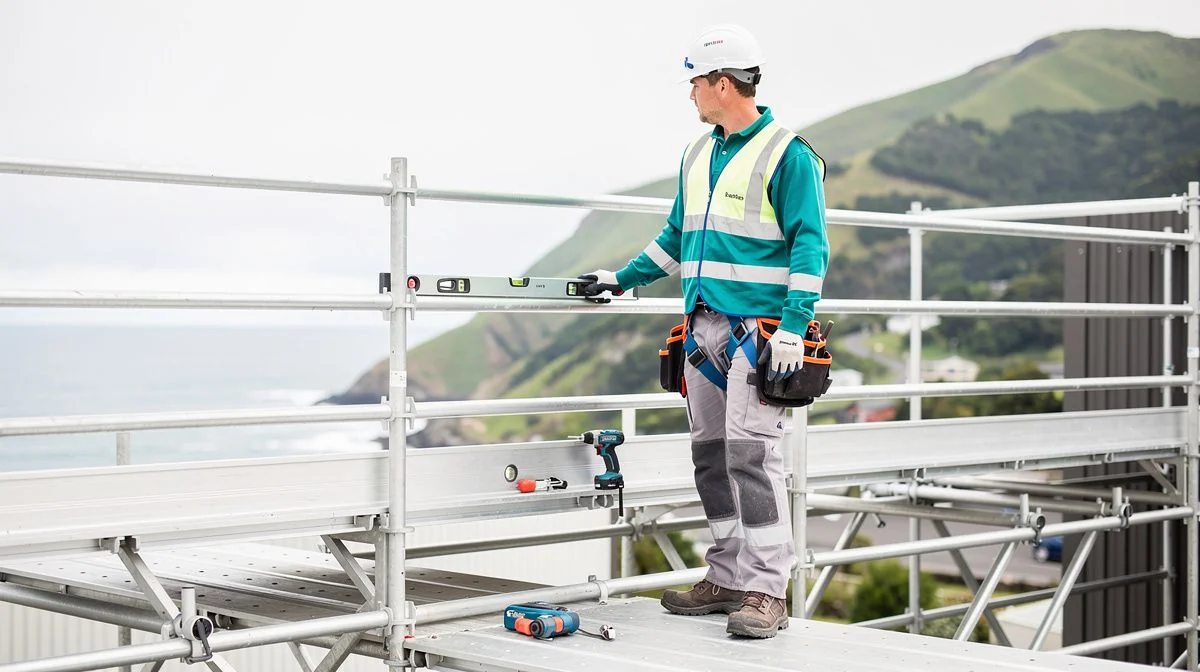
Finding the Best Scaffolders in the West Coast
Whether you’re working on a new build in Greymouth, repairing a bungalow in Hokitika, or giving a storefront in Westport a fresh coat of paint, getting the right scaffolding in place is non‑negotiable. The West Coast’s weather can change in a heartbeat, so you need a scaffold that’s not only safe but also built to handle gusty nor’westers and sudden downpours.
Finding scaffolders in the West Coast isn’t hard – there are several experienced operators dotted around the region. But picking the one that’s right for your job takes a bit of know‑how. We’ve put together this guide to help you choose wisely, ask the right questions, and get your project finished safely and on budget.
What to Look for When Hiring a Scaffolder in the West Coast
Not every scaffolder is the same. Here are the key things to check before you hand over your deposit.
Licensing and certification
All scaffolding work in New Zealand must be carried out by a competent person. For most residential jobs you’ll need a scaffolder who holds a current Scaffolding Certificate of Competence issued under the Health and Safety at Work Act. For complex structures (e.g. multi‑storey or public footpath overhangs), the scaffolder must be a certified scaffolding contractor. Don’t be shy – ask for their credentials and check they’re up to date.
Experience with West Coast conditions
The Coast has its own micro‑climate. High rainfall, strong winds and sometimes heavy snow in winter mean a standard “Auckland‑style” scaffold might not cut it. Ask whether the scaffolder has worked locally before and how they adapt tie‑downs and safety nets for the weather.
Insurance cover
Any reputable scaffolder will have public liability insurance (usually minimum $1 million) and workers’ compensation cover. Ask for their insurance certificate – if they can’t provide it, move on. You don’t want to be liable if a plank falls or the scaffold collapses.
Site access and set‑up
West Coast properties often have tricky access – narrow driveways, steep sections, or historic buildings in tight town centres. Check that the scaffolder is happy to do a site visit before quoting. They’ll need to see exactly where the scaffold needs to go, and whether any special gear (e.g. boardwalk over uneven ground) is required.
Quality of equipment
Scaffolding should be inspected regularly and kept in good nick. Look for company vehicles that look well‑maintained, and ask about their inspection schedule. Avoid anyone who offers “second‑hand dodgy pipes” – it’s not worth the risk.
Key Questions to Ask Before Hiring
When you’re interviewing scaffolders (or asking for quotes), write down these questions and listen carefully to the answers.
- Do you hold current scaffolding certification and a Site Safe card? – A Site Safe green card shows basic health and safety awareness. It’s a good sign.
- How long have you been operating on the West Coast? – Local knowledge matters. Someone who’s only just set up may not be familiar with council bylaws or the regional weather.
- What’s included in your quote? – Ask for a detailed breakdown: delivery, erection, dismantling, tie‑downs, safety nets, handover inspection, and any consent fees if the scaffold overhangs a footpath.
- Do you use edge protection and toe boards as standard? – For any height over two metres, these are essential. Some scaffolders include them, others charge extra.
- What happens if the weather delays the job? – Scaffolders may charge a daily hire fee if the scaffold is left up longer than planned. Find out the hourly or daily rate in writing.
- Can you supply a Safe Work Method Statement (SWMS)? – A good scaffolder will provide a SWMS that outlines risks and controls. This is especially important if you’re hiring for a commercial site or if your project involves multiple trades.
- Do you hold an electrical spotter ticket or can you work around power lines? – Many West Coast homes have overhead lines. If your job is close to them, the scaffolder may need an exclusion zone or to contact the lines company. Ask how they handle this.
Tips for Getting the Best Results
Once you’ve chosen a scaffolder, a bit of planning goes a long way. Here’s how to make sure your scaffolding job runs smoothly from start to finish.
Plan ahead
Scaffolding is often one of the first things to go up and the last to come down. Order it at least three to four weeks before you need it – especially in peak summer when tradies are flat out. Provide the scaffolder with your building plans or a clear description of the work, so they can design the right platform.
Clear the worksite
Before the scaffolder arrives, move furniture, cars, garden pots and tools away from the area. Mark any underground pipes or buried cables if you know where they are. A clear site means the set‑up happens faster and safer.
Check the scaffold before work begins
Once the scaffold is up, do a quick visual check before you or your tradies step on it. Look for solid base plates, secure guardrails, and no bent or rusty pieces. A reputable scaffolder will do a “hand‑over” inspection and give you a signed certificate – keep that document on site.
Keep communication open
Lots of problems happen when the builder, scaffolder and painter aren’t talking. Let the scaffolder know the expected timeline, and update them if it changes. Also, tell them if you need extra loading bays for materials, or if you plan to use the scaffold for heavy equipment like a roofing hammer or concrete pump.
Respect loading limits
Every scaffold has a maximum load (working load limit or WLL). Ask what it is – usually around 200 kg per bay – and make sure your workers don’t overload it with pallets of nails or stacks of roofing iron. Overloading is a common cause of collapses.
A Note About Costs and Getting Quotes
Scaffolding prices on the West Coast can vary quite a bit depending on the job’s complexity, height, duration and the amount of specialised gear required.
As a rough guide, most residential scaffolders charge an hourly rate (often $60–$80 per hour for two labourers) or a daily hire fee (anywhere from $30 to $80 per day for the equipment itself). However, these figures change quickly – a large multi‑storey commercial job could cost thousands per week, while a simple single‑storey house might be only a few hundred dollars for a weekend.
Don’t just grab the first quote you get. Call at least three reputable scaffolders in the West Coast region. Ask

The ValueHub Team built this site because finding clear, unbiased financial information in New Zealand was harder than it should be. Every guide is based on real research — we compare the actual fees, terms, and fine print so you don't have to. Our tip: shop around every year, read the policy docs, and never assume loyalty gets you the best deal.— The ValueHub Team
Try our Calculators
Use these free tools to crunch the numbers:
PAYE Calculator
Calculate your take-home pay after PAYE tax, ACC, KiwiSaver, and student loan deductions.
Compound Interest Calculator
See how your savings grow with compound interest over time. Free NZ compound interest calculator with yearly, monthly, and weekly compounding options.
Mortgage Repayment Calculator
Calculate your weekly, fortnightly, or monthly mortgage repayments. Free NZ mortgage calculator — try different rates, terms, and repayment frequencies.
Term Deposit Calculator
Calculate your term deposit returns before you lock in. Compare interest earned across different terms and rates with ValueHub's free calculator.
Savings Goal Calculator
Calculate how long it will take to reach your savings goal — and what monthly deposit you need to get there. Free NZ savings planner.
Credit Card Repayment Calculator
See how long it really takes to pay off your credit card — and how much interest you could save by paying more each month. Free NZ calculator.
Scaffolders in Other Cities
Best Scaffolders in Auckland
Best Scaffolders in Wellington
Best Scaffolders in Christchurch
Best Scaffolders in Hamilton
Best Scaffolders in Tauranga
Best Scaffolders in Dunedin
Latest Guides & Reviews
US Dollar to NZD: A Practical Guide for Kiwis
Compare the true cost of buying USD in NZ. We reveal the fees, margins, and hidden charges banks, Wise, and airport desks add to every US dollar transfer.
reviewUnderstanding NZ Council Rates
Follow a single rates dollar from your bank account to see where it really goes and how councils set your bill.
comparisonBest Gold and Platinum Credit Cards in New Zealand
Best gold and platinum credit cards in NZ compared: when a $150 annual fee pays for itself through travel insurance and perks.
guideBest Investment Managers in New Zealand
Compare Fisher Funds, Milford, and Pie Funds in this practical guide to vetting NZ investment managers before you trust them with your money.