Best Screen Printers in Levin
Published 08 April 2025 · Updated 18 August 2026
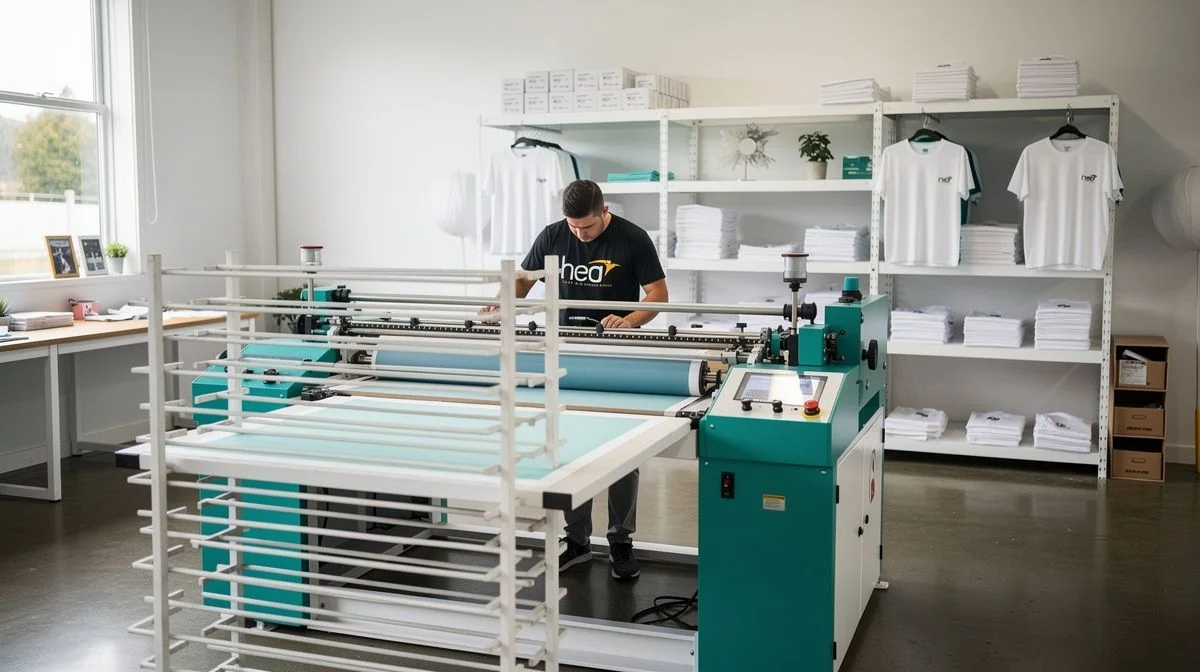
If you're based in Levin and need custom-printed t-shirts, hoodies, or promotional gear, finding the right screen printer makes all the difference. Whether it's for a local sports club, a school event, or a business launch, screen printing offers a durable, vibrant finish that stands up to plenty of wears and washes. Levin has a handful of experienced printers ready to handle jobs big and small, but picking the best one for your project takes a bit of know-how.
This guide walks you through what to look for, the key questions to ask before you commit, and how to get the best possible results from your print run. We'll also cover what you can expect to pay and how to get useful quotes so you can compare like with like.
What to Look for When Hiring a Screen Printer in Levin
Experience and Portfolio
A printer's past work tells you a lot. Ask to see samples of garments they've printed, especially if you plan to use similar materials (e.g., cotton tees, performance fabric, or fleece). An experienced screen printer will show you clean, crisp edges and consistent colour across the whole print run. They should also be happy to talk about tricky jobs they've handled before, such as fine detail, very small text, or full-colour designs.
Check if they've worked with local groups in Levin – sports clubs, community organisations, or businesses. Local experience often means they understand what works for the climate and the kinds of garments popular in the area.
Our Trusted Screen Printers
We feature businesses that demonstrate strong performance, proven experience, and consistently positive customer feedback. Some of the providers listed may have commercial relationships with us, but all are selected based on quality and reliability.
To begin, reach out to them and speak with them directly — this helps you explain your job, ask questions, and confirm whether they're the right fit.
We Can Help Your Team Stand Out With Our NZ Made Custom Uniforms. We Have Local Support, Fast Shipping, and Next Day Urgent Orders. Visit our sublimation store and our work wear store. Owners Ingo and Grit Schleuss came to New Zealand in 1999 and started “Company Branding Shop Ltd” in little ol’ Levin as a two-man band
Quality of Equipment and Inks
Screen printing equipment varies. Professional setups use automatic presses for consistent registration (lining up each colour), while smaller shops may use manual presses that require more skill. Ask what type of inks they use. Water-based inks give a softer feel and are better for lighter fabrics. Plastisol inks sit on top of the garment, are more opaque on dark colours, and last well. Some printers offer discharge inks for vintage, soft-hand prints.
If you're printing on performance wear or blended fabrics, check that the printer has experience with those materials – not every ink works well on polyester or nylon.
Turnaround Times and Communication
A reliable printer communicates clearly from the start. How quickly can they turn around your order? Do they give you a clear timeline, including proof approval and the actual print date? Look for a printer who tells you upfront if they're busy, rather than over-promising and missing deadlines. Good communication also means they'll explain their process – from artwork setup to final packaging – so you know exactly what's happening at each step.
- Do they offer online proofs or PDF mockups?
- How do they handle colour matching (Pantone or industry standard)?
- What's their policy on reprints for defects?
Key Questions to Ask Before Hiring
Artwork and Setup
- What file format do you need? Most prefer vector files (AI, EPS, PDF) with outlined fonts. If you don't have vector art, ask if they can convert it – and whether that costs extra.
- How many colours are in my design? Each colour requires a separate screen, which affects setup cost. Ask whether they can suggest reducing colours to save money without losing the look.
- Do you offer design assistance? Some printers have in-house designers who can clean up or create artwork for a fee.
Order Quantities and Minimums
Screen printing involves setup time and materials (screens, emulsion, squeegees). Most printers have a minimum order quantity – often around 12 to 24 pieces. Ask upfront and check if the minimum applies to each colour or just per design. If you need a small run, ask if they recommend any alternatives, such as direct-to-garment (DTG) printing, though that's a different process.
Sample and Proof Process
- Do I get a physical sample before the full run? Some printers offer a strike-off – a printed sample on the actual fabric. This is valuable for checking colour, placement, and feel.
- Is the digital proof to scale and showing placement? Confirm that the proof includes garment type and size (e.g., chest print vs. full back).
- How long do I have to approve the proof? Delays in approval can push back your timeline.
Tips for Getting the Best Results
Prepare Your Artwork Properly
The better your starting file, the better the print. If you're designing from scratch, use vector software or a high-resolution image (at least 300 dpi at the print size). Avoid very fine details – anything thinner than 1mm might close up during printing. If you're unsure, ask the printer for their artwork guidelines before finalising your design.
Choose the Right Garment
The fabric you print on affects the final look and feel. Gildan, AS Colour, and other brands commonly used in New Zealand come in different weights and blends. For a premium feel, choose a heavier cotton (200 gsm or more). For activewear, look for moisture-wicking polyester blends, but check the printer's ink options – some inks crack or peel on high-stretch fabrics.
Always order a blank garment sample first if you're printing a large quantity. This lets you feel the fabric and see the colour in person. Most printers can supply a sample for a small fee or even free.
Think About Placement and Size
Screen printing works best on flat, smooth surfaces. Standard placements are centre chest (about 20–30 cm wide) or full back (up to 40 cm). Avoid printing over seams, pockets, or collars. Talk to your printer about the best size for your design – too small can look lost, too large can overflow the panel.
Order Extra Garments
It's common to order 5–10% more than you need. That covers any defects during printing (misregistration, ink spl

The ValueHub Team built this site because finding clear, unbiased financial information in New Zealand was harder than it should be. Every guide is based on real research — we compare the actual fees, terms, and fine print so you don't have to. Our tip: shop around every year, read the policy docs, and never assume loyalty gets you the best deal.— The ValueHub Team
Try our Calculators
Use these free tools to crunch the numbers:
KiwiSaver Fund Comparison
Compare fees, returns, and risk levels across every KiwiSaver fund from all 31 NZ providers.
Currency Converter — USD to NZD
Convert US Dollars to New Zealand Dollars instantly. See the latest exchange rate and 30-day trend.
Mortgage Repayment Calculator
Calculate your weekly, fortnightly, or monthly mortgage repayments. Free NZ mortgage calculator — try different rates, terms, and repayment frequencies.
Compound Interest Calculator
See how your savings grow with compound interest over time. Free NZ compound interest calculator with yearly, monthly, and weekly compounding options.
Term Deposit Calculator
Calculate your term deposit returns before you lock in. Compare interest earned across different terms and rates with ValueHub's free calculator.
Savings Goal Calculator
Calculate how long it will take to reach your savings goal — and what monthly deposit you need to get there. Free NZ savings planner.
Screen Printers in Other Cities
Latest Guides & Reviews
New Zealand Financial Markets Authority Guide: Investor Protection in NZ
Protect your investments with this practical guide to the FMA — how to check licences, spot scams, and what to do if a provider fails. Verified against...
comparisonEV Home Charger NZ: Costs & Buying Guide
Compare EV home charger costs in NZ — verified prices from $1,299, installation fees, smart features, and what actually matters for your home's power supply.
guideThe Most Popular EVs in New Zealand
The best-selling electric cars in New Zealand, ranked by official registration data. Top BEV and PHEV models and brands, updated monthly.
guideEV Market Stats
New Zealand's EV market in numbers — market share, fleet size, top-selling models and used imports, updated with the latest NZTA and MIA data.