Best Screen Printers in Whakatane
Published 8 April 2025 · Updated 7 July 2026
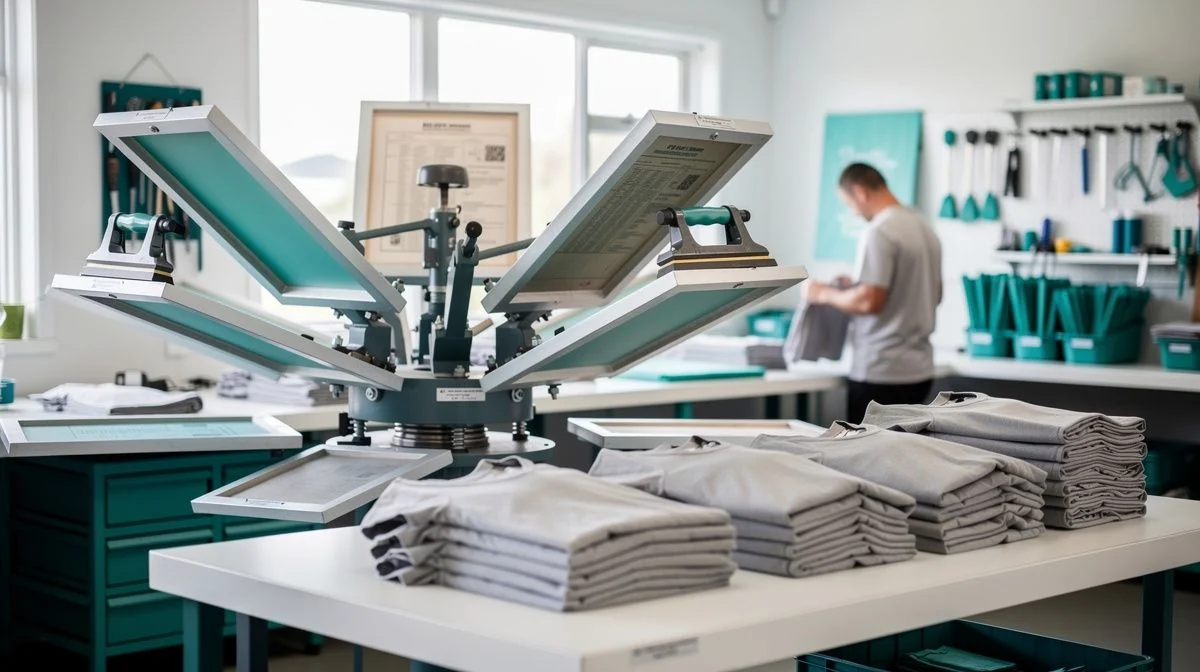
Best Screen Printers in Whakatane
Whether you’re organising a community fundraiser in the Eastern Bay of Plenty, launching a new product range from your Whakatane workshop, or kitting out a local sports team, finding a reliable screen printer makes all the difference. Screen printing is a popular choice for custom apparel because it delivers vibrant colours, long-lasting designs, and great value for bulk orders. But with several options around Whakatane – from small home‑based operators to larger commercial set‑ups – knowing who to trust can feel a bit overwhelming.
This guide walks you through what to look for when hiring a screen printer in Whakatane, key questions to ask before you commit, and practical tips for getting the best possible results. We’ll also cover how costs typically work and what to expect when you start gathering quotes.
What to look for when hiring a Screen Printer in Whakatane
Every screen printer brings their own style, equipment, and level of experience. To find the right fit for your project, keep these factors in mind:
- Portfolio and style: Ask to see examples of recent work – especially pieces similar to what you need. Look for clean registration (colours lining up properly), sharp edges, and consistent ink coverage. A printer who regularly works with the kind of garment you want (cotton tees, drill shirts, hoodies) will know how the fabric behaves.
- Equipment and capabilities: Most professional screen printers use automatic presses for large runs, but manual presses can still produce excellent results for smaller quantities. Ask about the number of colour stations – if your design has many colours, you need a press that can handle them without excessive setup changes.
- Turnaround time: Local printers in Whakatane often juggle multiple jobs, so check their current lead times. If you have a tight deadline (e.g. for a local event), ask about rush options – though those usually come at a premium.
- Minimum order quantities: Screen printing involves creating a screen for each colour, which takes time and materials. Many printers set a minimum order – often 25 to 50 items – to make the setup cost worthwhile. If you only need a handful of shirts, discuss whether they offer a short‑run service or can recommend an alternative like DTG (direct‑to‑garment) printing.
- Communication and service: A good printer will listen to your ideas, offer honest advice about design limitations, and keep you updated throughout the process. If they’re difficult to reach or vague about timelines, that’s a red flag.
Key questions to ask before hiring
Once you’ve shortlisted a few screen printers in Whakatane, ask these questions to clarify exactly what you’ll get:
- “What inks do you use, and are they suitable for my garment type?” Water‑based inks are softer and more breathable, while plastisol inks are more durable and vibrant. For performance wear (sports jerseys, activewear) you may need special inks that flex with the fabric.
- “Can you provide a mock‑up or digital proof before printing?” A reputable printer will show you a digital preview of how the design will look on the actual garment. This is your chance to spot any issues with sizing, placement, or colour matching.
- “What is your setup fee, and what does it include?” Setup fees cover creating the screens, mixing inks, and preparing the press. Ask whether this fee is absorbed into the per‑item price for larger orders or charged separately.
- “Do you offer colour matching?” If you have a specific brand colour or a Pantone reference, confirm the printer can match it. Most commercial shops can, but some budget operators may only use standard colours.
- “What happens if there’s a defect in the printing?” A reliable printer should stand behind their work and offer replacements or a re‑run if the problem is their error. Get this in writing.
- “Do you handle artwork setup or do I need to supply a ready‑to‑print file?” Many printers can convert your logo or design into a print‑ready file (separated into colour layers). This may be included in the price or charged as an extra service.
Tips for getting the best results
Screen printing is as much about preparation as it is about the printing itself. Here are a few ways to ensure your final product looks exactly how you imagined:
- Start with high‑resolution artwork. Supply your design as a vector file (AI, EPS, PDF) or at least 300 DPI in the actual print size. Low‑resolution images will look blurry or pixelated when enlarged.
- Keep the number of colours manageable. Each additional colour means an extra screen and more setup time – which adds cost. If your design has many shades, consider using halftones (dots that simulate gradients) or discuss a simplified version with the printer.
- Choose the right garment. A high‑quality blank t‑shirt or hoodie holds ink better and lasts longer. Ask your printer which brands they recommend – common options include AS Colour, Gildan, and Stanley/Stella. Avoid cheap blanks that may shrink or twist after washing.
- Discuss placement and size. Think about where you want the design – centre chest, full front, back, sleeve. Standard print sizes are usually up to A3, but larger formats are possible (check the printer’s maximum print area).
- Order a sample first. If you’re doing a large run, ask to see a single printed garment before the full batch goes ahead. This lets you check colour accuracy, feel the ink texture, and confirm sizing.
A note about costs and getting quotes
Screen printing costs in Whakatane vary depending on the complexity of your design, the number of colours, the garment quality, and the quantity ordered. Here’s a general breakdown of what influences the price:
- Setup fee: Typically ranges from $25 to $60 per colour. Some printers include the first colour in the per‑item price, while others charge a flat setup.
- Per‑item price: The more items you order, the lower the unit cost. For a standard one‑colour print on a basic t‑shirt, you might pay around $12–$18 per shirt for a small run of 25, dropping to $8–$12 for 100 shirts. Multi‑colour designs cost more per item.
- Garment cost: The price of the blank garment is usually included in the quote. Choose a mid‑range brand – it’s the sweet spot between durability and cost.
- Additional charges: Artwork preparation, rush orders, and special finishes (like metallic inks or puff printing) will add to the total.
When getting quotes from screen printers in Whakatane, ask for a detailed breakdown that lists setup fees, per‑item costs, garment price, and any extras. Don’t just compare bottom‑line figures – a cheap quote might hide lower quality garments or a less experienced operator. Aim for at least three quotes to get a fair sense of the market.
Finally, remember that screen printing is a craft. The best results come from a partnership where you communicate clearly and the printer applies their skill to bring your design to life. Take your time, ask the right questions, and you’ll end up with apparel that does your brand or event proud.

The ValueHub Team built this site because finding clear, unbiased financial information in New Zealand was harder than it should be. Every guide is based on real research — we compare the actual fees, terms, and fine print so you don't have to. Our tip: shop around every year, read the policy docs, and never assume loyalty gets you the best deal.— The ValueHub Team
Try our Calculators
Use these free tools to crunch the numbers:
PAYE Calculator
Calculate your take-home pay after PAYE tax, ACC, KiwiSaver, and student loan deductions.
Compound Interest Calculator
See how your savings grow with compound interest over time. Free NZ compound interest calculator with yearly, monthly, and weekly compounding options.
Mortgage Repayment Calculator
Calculate your weekly, fortnightly, or monthly mortgage repayments. Free NZ mortgage calculator — try different rates, terms, and repayment frequencies.
Term Deposit Calculator
Calculate your term deposit returns before you lock in. Compare interest earned across different terms and rates with ValueHub's free calculator.
Savings Goal Calculator
Calculate how long it will take to reach your savings goal — and what monthly deposit you need to get there. Free NZ savings planner.
Credit Card Repayment Calculator
See how long it really takes to pay off your credit card — and how much interest you could save by paying more each month. Free NZ calculator.
Screen Printers in Other Cities
Best Screen Printers in Auckland
Best Screen Printers in Wellington
Best Screen Printers in Christchurch
Best Screen Printers in Hamilton
Best Screen Printers in Tauranga
Best Screen Printers in Dunedin
Latest Guides & Reviews
US Dollar to NZD: A Practical Guide for Kiwis
Compare the true cost of buying USD in NZ. We reveal the fees, margins, and hidden charges banks, Wise, and airport desks add to every US dollar transfer.
reviewUnderstanding NZ Council Rates
Follow a single rates dollar from your bank account to see where it really goes and how councils set your bill.
comparisonBest Gold and Platinum Credit Cards in New Zealand
Best gold and platinum credit cards in NZ compared: when a $150 annual fee pays for itself through travel insurance and perks.
guideBest Investment Managers in New Zealand
Compare Fisher Funds, Milford, and Pie Funds in this practical guide to vetting NZ investment managers before you trust them with your money.