Best Sports Massage Therapists in Kapiti
Published 14 April 2025 · Updated 7 July 2026
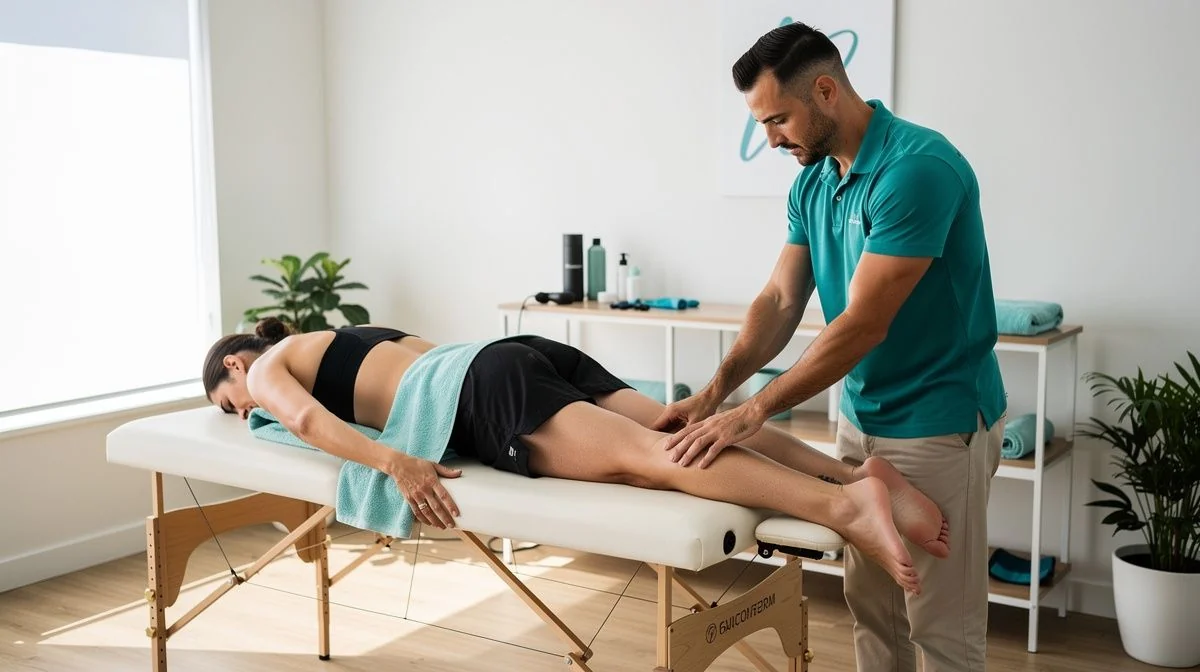
If you’re an active Kiwi in Kapiti — whether you’re a weekend warrior, a competitive athlete, or just someone who loves getting out on the Kapiti Coast trails — you’ll know how important it is to look after your muscles. Sports massage isn’t just a luxury; it’s a key part of training and recovery. But finding the right therapist in Kapiti can feel a bit overwhelming with so many options. This guide is here to help you choose a skilled professional who understands your specific needs, whether you’re based in Paraparaumu, Waikanae, Ōtaki, or the Kapiti Coast more broadly.
What to look for when hiring a Sports Massage Therapist in Kapiti
Not all massage therapists are the same. Sports massage requires a different skill set than a relaxation massage. Here’s what to keep an eye out for when you’re searching for someone in Kapiti.
Qualifications and training
In New Zealand, there’s no single mandatory licence for massage therapists. However, a reputable sports massage therapist should have completed a recognised qualification, such as a Diploma in Sport and Remedial Massage or a similar NZQA-approved programme. Many belong to professional associations like Massage New Zealand or the New Zealand Association of Registered Massage Therapists (NZARM). These memberships often require ongoing professional development and adherence to a code of ethics.
- Ask about their specific training in sports massage — this is different from general relaxation massage.
- Check if they hold current first aid certification.
- Look for evidence of ongoing learning, like workshops on dry needling, myofascial release, or injury rehabilitation.
Experience with your type of activity
A therapist who regularly works with runners might be perfect for someone training for the Wellington Marathon, but less ideal if you’re a rugby player or a cyclist. Ask about their client base and whether they have experience treating the kind of sports or activities you do. Kapiti has a strong community of surfers, triathletes, runners, and team sports players, so there should be someone who knows your sport.
Location and accessibility
Kapiti covers a reasonable stretch of coastline and inland areas. Think about whether you want a clinic in central Paraparaumu, a home-based practice in Waikanae Beach, or someone who does mobile visits to your home or gym. A convenient location makes it easier to stick with regular treatments.
Communication and approach
Good sports massage therapists don’t just work on you in silence. They should ask about your goals, any injuries, and how your body feels. They’ll also explain what they’re doing and why. If you feel rushed or uncomfortable after an initial chat, that’s a red flag.
Cleanliness and professionalism
Whether you visit a clinic or a home studio, the space should be clean, tidy, and welcoming. Professional therapists will use clean linens between clients and follow good hygiene practices. Don’t hesitate to ask about their health and safety procedures.
Key questions to ask before hiring
When you’ve narrowed down a few options, it helps to ask some direct questions. This can save you time and money in the long run.
- “What qualifications do you have specifically in sports massage?” — A general massage diploma isn’t the same. You want someone trained in anatomy, injury assessment, and sports-specific techniques.
- “How do you assess my needs before a session?” — A thorough intake process (including medical history, current injuries, and your training load) is essential for a safe treatment.
- “What techniques do you typically use?” — Sports massage can include deep tissue, trigger point therapy, stretching, and sometimes tools like cupping or gua sha. Make sure their approach matches what you’re comfortable with.
- “Do you work with other health professionals?” — Many sports therapists collaborate with physiotherapists, osteopaths, or personal trainers. If you’re seeing other practitioners, a therapist who communicates well with them can benefit your overall care.
- “How do you handle injuries or pain during a session?” — You should feel in control. A good therapist will ask for feedback and adjust pressure as needed.
- “What is your cancellation policy?” — Life happens. Know whether you’ll be charged for late cancellations or no-shows.
Tips for getting the best results
To make the most of your sports massage in Kapiti, a little preparation goes a long way.
Communicate clearly
When you book your first appointment, be honest about your activity level, any niggling injuries, and what you want to achieve — whether it’s pre-event prep, post-event recovery, or managing chronic tension. The more your therapist knows, the better they can tailor the session.
Stay hydrated before and after
Massage can release toxins from your muscles and increase blood flow. Drinking plenty of water helps your body flush these out and reduces the risk of feeling sore afterwards.
Don’t be a hero
It’s common to think “no pain, no gain,” but sports massage shouldn’t be excruciating. Some discomfort is normal, but tell your therapist if the pressure is too intense. A skilled therapist will work at a level that’s effective but still within your tolerance.
Follow up on self-care
Your therapist might recommend gentle stretching, foam rolling, or rest after a session. Take their advice seriously — it helps extend the benefits of the massage and prevents reinjury.
Build a regular schedule
One-off massages can feel great, but consistent treatments — such as every two to four weeks — are more effective for ongoing muscle health, injury prevention, and performance. Chat with your therapist about what frequency fits your training load.
A note about costs and getting quotes
Sports massage costs in Kapiti vary depending on the therapist’s experience, location, session length, and whether you go to a clinic or have a home visit. As a general guide, a standard 60-minute session may range from around $60 to $120. Some therapists offer discounted packages if you book multiple sessions, or concessional rates for students and community members.
When you’re comparing options, ask for a clear breakdown of costs upfront — including any extras like dry needling or taping. Many therapists provide a free 10- to 15-minute phone consultation to discuss your needs and give you a quote. This is a great way to see if you click before you commit.
Because prices and availability can change, it’s a good idea to check directly with the therapists you’re interested in. Using a comparison service like ValueHub can also help you quickly see which qualified sports massage therapists are operating in Kapiti and get quotes tailored to your needs.

The ValueHub Team built this site because finding clear, unbiased financial information in New Zealand was harder than it should be. Every guide is based on real research — we compare the actual fees, terms, and fine print so you don't have to. Our tip: shop around every year, read the policy docs, and never assume loyalty gets you the best deal.— The ValueHub Team
Try our Calculators
Use these free tools to crunch the numbers:
PAYE Calculator
Calculate your take-home pay after PAYE tax, ACC, KiwiSaver, and student loan deductions.
Compound Interest Calculator
See how your savings grow with compound interest over time. Free NZ compound interest calculator with yearly, monthly, and weekly compounding options.
Mortgage Repayment Calculator
Calculate your weekly, fortnightly, or monthly mortgage repayments. Free NZ mortgage calculator — try different rates, terms, and repayment frequencies.
Term Deposit Calculator
Calculate your term deposit returns before you lock in. Compare interest earned across different terms and rates with ValueHub's free calculator.
Savings Goal Calculator
Calculate how long it will take to reach your savings goal — and what monthly deposit you need to get there. Free NZ savings planner.
Credit Card Repayment Calculator
See how long it really takes to pay off your credit card — and how much interest you could save by paying more each month. Free NZ calculator.
Sports Massage Therapists in Other Cities
Best Sports Massage Therapists in Auckland
Best Sports Massage Therapists in Wellington
Best Sports Massage Therapists in Christchurch
Best Sports Massage Therapists in Hamilton
Best Sports Massage Therapists in Tauranga
Best Sports Massage Therapists in Dunedin
Latest Guides & Reviews
US Dollar to NZD: A Practical Guide for Kiwis
Compare the true cost of buying USD in NZ. We reveal the fees, margins, and hidden charges banks, Wise, and airport desks add to every US dollar transfer.
reviewUnderstanding NZ Council Rates
Follow a single rates dollar from your bank account to see where it really goes and how councils set your bill.
comparisonBest Gold and Platinum Credit Cards in New Zealand
Best gold and platinum credit cards in NZ compared: when a $150 annual fee pays for itself through travel insurance and perks.
guideBest Investment Managers in New Zealand
Compare Fisher Funds, Milford, and Pie Funds in this practical guide to vetting NZ investment managers before you trust them with your money.