Best Tyre Retailers in Upper Hutt
Published 15 April 2025 · Updated 18 August 2026
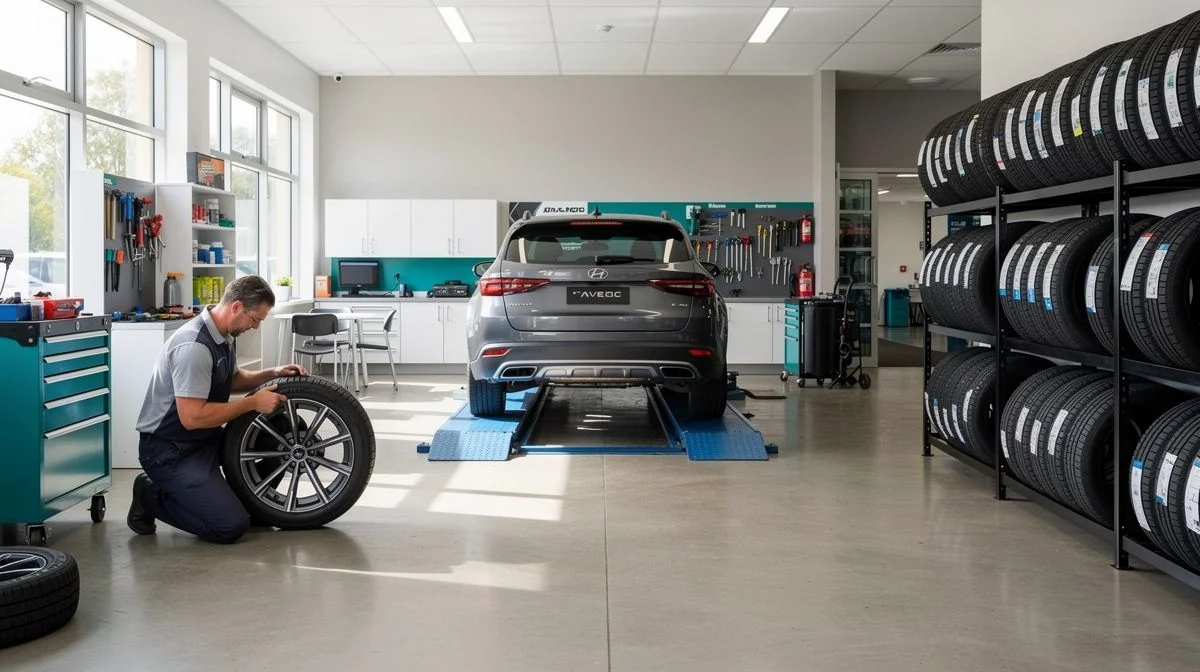
Best Tyre Retailers in Upper Hutt
Finding the right set of tyres in Upper Hutt is about more than just slapping on any rubber that fits. Whether you’re commuting over the Remutaka Hill, hauling gear for a weekend job, or just running the kids around town, your tyres are the only thing between you and the road. Upper Hutt has a solid mix of independent shops, chain stores, and mobile fitters, so you’ve got options. But with that choice comes the need to pick a retailer that actually delivers — good prices, proper fitting, and honest advice. This guide walks you through what to look for, what to ask, and how to get the best deal on new tyres in Upper Hutt.
What to Look for When Hiring a Tyre Retailer in Upper Hutt
Not every tyre shop is the same. Some focus on budget brands, others on performance or off-road gear. Here are the key things to check before you hand over your keys.
Range of Brands and Tyre Types
A good retailer should stock a variety of brands — from economy options like Westlake or Sailun through to premium names like Bridgestone, Michelin, or Continental. If you drive a ute, SUV, or van, make sure they carry light-truck or all-terrain tyres. If you’re after something specific (run-flats, winter-rated, or low-profile), ask upfront whether they can order it in.
Certified Fitting and Balancing Equipment
Proper tyre fitting isn’t just about the machine. Look for a shop that uses modern, calibrated equipment for mounting, balancing, and wheel alignment. Old or poorly maintained gear can damage your rims or leave you chasing a vibration for weeks. Many Upper Hutt retailers will let you watch the fitting — a tidy, organised workshop is a good sign.
Transparent Pricing and No Surprises
The price you see should be the price you pay. Some shops advertise a low tyre cost but then add on fitting, valve stems, disposal, and balancing fees. Ask for a total out-the-door price including GST. Reputable retailers in Upper Hutt are usually happy to give you an itemised quote.
Warranty and After-Sales Support
Tyre manufacturers offer their own warranties (typically against defects), but the retailer should also stand behind the fitment. Ask about a workmanship warranty — that covers issues like a slow leak from a poorly seated bead or a wheel weight falling off. Some shops also offer free rotation or balancing for the life of the tyre if you bought from them.
Local Knowledge and Experience
Upper Hutt has its share of winding roads, gravel driveways, and the occasional frost. A retailer who knows the local conditions can recommend a tyre that suits your driving style and the climate. For example, if you’re crossing the hill regularly in winter, they might point you toward a tyre with better wet-weather grip rather than just the cheapest option.
Key Questions to Ask Before Hiring
Asking the right questions saves you time, money, and frustration. Here are the ones that matter most.
- “What’s the total cost including fitting, balancing, and disposal?” This forces them to give you a complete figure, not just a tyre price.
- “Can you show me the tread depth and manufacture date on the tyres before fitting?” A good retailer will show you the tyres are fresh (manufactured within the last 12–18 months) and have full tread.
- “Do you offer a wheel alignment with the tyre purchase?” Some shops bundle it, others charge extra. A wheel alignment is strongly recommended after new tyres to avoid uneven wear.
- “What warranty do you offer on the fitment and on the tyres themselves?” Clarify what’s covered and for how long.
- “Can you match a competitor’s quote?” Many Upper Hutt retailers will price-match if you bring in a written quote from another shop.
- “How long will the job take?” Most standard tyre changes take 30–60 minutes. If you need a wheel alignment as well, expect up to an hour and a half.
- “Do you have a loan car or a waiting area?” Not essential, but handy if you’re dropping the car off.
Tips for Getting the Best Results
Once you’ve chosen a retailer, a few simple steps will help you get the most out of your new tyres and the service.
Check Your Tyres Before You Buy
Look at the sidewall of your current tyres for the size, load index, and speed rating. A mismatch can affect handling and safety. Also check the recommended tyre pressure for your vehicle — usually found on a sticker inside the driver’s door frame. Share this with the fitter so they set the correct pressure.
Ask About Rotation and Balancing Schedules
Rotating your tyres every 10,000 kilometres helps them wear evenly. Some retailers include free rotation for the life of the tyre. If not, ask what they charge — it’s usually around $30–$50 for a set of four.
Inspect the Installation
When you collect the car, do a quick visual check. Are all four wheel nuts tightened? Are the valve caps secure? Is the tyre pressure warning light off? A good shop will also reset your TPMS (tyre pressure monitoring system) if your car has one.
Drive Carefully for the First 200 Kilometres
New tyres have a thin layer of release compound on the surface. It can be slippery until worn off. Avoid hard acceleration, braking, and cornering for the first 200 km or so. A decent retailer will tell you this — if they don’t, it’s a red flag.
Keep Your Receipt and Warranty Info
Store the invoice and any warranty documents in your glovebox. If you ever need a warranty claim, you’ll need that proof of purchase and the date of fitment.
A Note About Costs and Getting Quotes
Tyre prices in Upper Hutt vary depending on brand, size, and the type of vehicle. A budget passenger tyre for a small car might cost around $80–$120 each fitted, while a premium ute tyre can go from $250 to over $500 each. Fitting, balancing, valve stems, and disposal fees typically add $20–$40 per tyre. Wheel alignment is usually extra — between $60 and $100 for a standard car.
To get the best deal, call at least three retailers and ask for a total fitted price including GST. Write down the tyre brand, model, and manufacture date they quote. This makes it easy to compare like for like. Some shops offer a discount if you pay cash or book during a quieter period (mid-week, for example).
Be wary of deals that seem too good to be true. Extremely cheap tyres may be old stock (over three years old), seconds, or brands with poor wet-weather performance. Check the DOT (Department of Transportation) code on the sidewall — the last four digits are the week and year of manufacture. For example, “4523” means the 45th week of 2023. Tyres older than five years are generally not recommended for purchase.
Finally, don’t forget to factor in the cost of peace of mind. A reputable retailer with a clean workshop, clear pricing, and a solid warranty is almost always worth paying a little extra for. Your tires are the only thing keeping your car planted on the road — it pays to get them right.

The ValueHub Team built this site because finding clear, unbiased financial information in New Zealand was harder than it should be. Every guide is based on real research — we compare the actual fees, terms, and fine print so you don't have to. Our tip: shop around every year, read the policy docs, and never assume loyalty gets you the best deal.— The ValueHub Team
Try our Calculators
Use these free tools to crunch the numbers:
KiwiSaver Fund Comparison
Compare fees, returns, and risk levels across every KiwiSaver fund from all 31 NZ providers.
Currency Converter — USD to NZD
Convert US Dollars to New Zealand Dollars instantly. See the latest exchange rate and 30-day trend.
Mortgage Repayment Calculator
Calculate your weekly, fortnightly, or monthly mortgage repayments. Free NZ mortgage calculator — try different rates, terms, and repayment frequencies.
Compound Interest Calculator
See how your savings grow with compound interest over time. Free NZ compound interest calculator with yearly, monthly, and weekly compounding options.
Term Deposit Calculator
Calculate your term deposit returns before you lock in. Compare interest earned across different terms and rates with ValueHub's free calculator.
Savings Goal Calculator
Calculate how long it will take to reach your savings goal — and what monthly deposit you need to get there. Free NZ savings planner.
Tyre Retailers in Other Cities
Latest Guides & Reviews
New Zealand Financial Markets Authority Guide: Investor Protection in NZ
Protect your investments with this practical guide to the FMA — how to check licences, spot scams, and what to do if a provider fails. Verified against...
comparisonEV Home Charger NZ: Costs & Buying Guide
Compare EV home charger costs in NZ — verified prices from $1,299, installation fees, smart features, and what actually matters for your home's power supply.
guideThe Most Popular EVs in New Zealand
The best-selling electric cars in New Zealand, ranked by official registration data. Top BEV and PHEV models and brands, updated monthly.
guideEV Market Stats
New Zealand's EV market in numbers — market share, fleet size, top-selling models and used imports, updated with the latest NZTA and MIA data.