Best Tyre Retailers in Whakatane
Published 15 April 2025 · Updated 18 August 2026
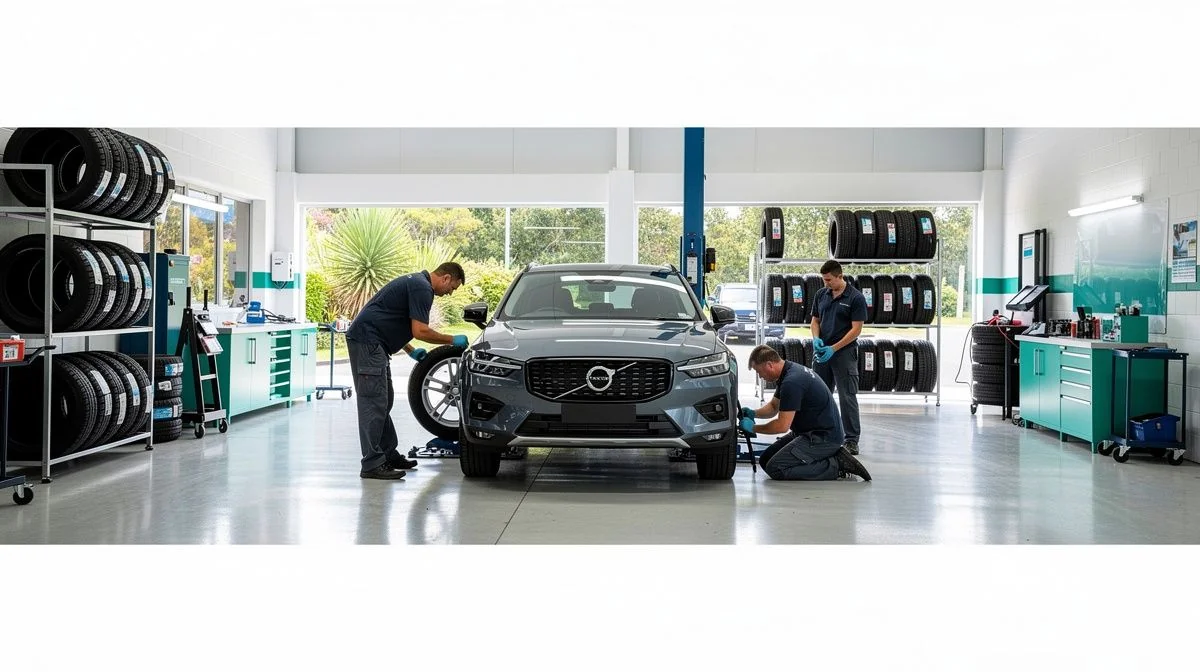
Best Tyre Retailers in Whakatane
Whether you’re driving a family hatchback, a ute for work, or a truck for local runs, getting the right tyres in Whakatane means safer, more reliable driving. The Bay of Plenty’s mix of coastal roads, rural gravel, and occasional wet weather makes tyre choice and fitting especially important. Finding a trustworthy retailer locally saves you time and hassle – and helps you avoid a dodgy set of rubber that could cost you more down the track.
This page covers what to look for when choosing a tyre retailer in Whakatane, questions to ask before you commit, tips for getting the best result, and a realistic look at costs and quotes. We’re not listing specific shops or prices, but we’ll give you the tools to find the right option for your vehicle and budget.
What to look for when hiring a Tyre Retailer in Whakatane
Choosing a tyre retailer isn’t just about price – it’s about service, safety, and local knowledge. Here’s what to keep an eye out for:
- Range of brands and sizes – A good retailer stocks more than just budget tyres. They should offer well-known brands (Bridgestone, Michelin, Goodyear, Dunlop, Pirelli, Hankook, etc.) as well as mid-range and economy options. This gives you a choice based on your driving style and budget.
- Fitting and balancing included – Many tyre retailers include fitting, balancing, and disposal of old tyres in the quoted price. Always ask what’s included – some may add extra fees for nitrogen inflation, valve stems, or wheel alignment.
- Wheel alignment services – Tyre wear is heavily affected by alignment. A retailer that offers on-site wheel alignment (or can recommend a local specialist) is a good sign they care about long-term tyre life.
- Stock availability and lead times – In Whakatane, not all sizes are on the shelf. Ask whether the tyre you want is in stock, and if not, how long an order takes. A retailer with quick access to distribution centres in Tauranga or Auckland will keep you from waiting days.
- Warranty and guarantee – Reputable tyre retailers offer a warranty against manufacturing defects, usually for the life of the tread. Some also offer road hazard coverage (for punctures or damage from potholes) for a small extra fee.
- Local reputation – Word of mouth still counts. Ask friends, neighbours, or local mechanics which retailers they trust. Online reviews on Google or Facebook can also give you a feel for service quality – but take a few negative ones with a grain of salt, as every shop gets the occasional unhappy customer.
- After-sales service – Good tyre retailers offer free tyre rotations, pressure checks, and re-torquing of wheel nuts after a few hundred kilometres. This keeps your tyres wearing evenly and your wheels secure.
Key questions to ask before hiring
Before you hand over your keys or your credit card, ask these questions to make sure you’re getting a fair deal:
- What brands do you stock for my tyre size? – If they only push one brand, it might be because they have a deal with that supplier – not because it’s best for you.
- Does the quoted price include fitting, balancing, and disposal? – Some retailers will quote a low tyre price then add on fees. Get a total out-the-door price.
- Do you offer a warranty? What does it cover? – Know whether defects, premature wear, or road damage are covered, and for how long.
- Can you do a wheel alignment at the same time? – If not, can you recommend a nearby shop? A new set of tyres with bad alignment will wear out fast.
- What is the expected tread life of this tyre? – A tyre’s treadwear rating (e.g., 400, 600, 800) gives you an idea of longevity. Higher numbers mean longer life, but may sacrifice grip in wet conditions.
- Do you offer pressure checks or rotations for free after fitting? – It’s a simple service that extends tyre life, and a good retailer will do it without charging.
- How long will the fitting take? – Some shops can do it in 45 minutes; others might need an appointment a week out. Plan ahead.
Tips for getting the best results
Getting tyres isn’t just about buying them – it’s about making them last and staying safe. Here’s how to get the best outcome:
- Check your tyre pressure monthly – Under-inflated tyres wear unevenly, increase fuel consumption, and can overheat. Over-inflated tyres reduce grip. Stick to the manufacturer’s recommended pressure (found in your owner’s manual or inside the driver’s door frame).
- Rotate tyres every 5,000 to 10,000 km – This evens out wear, especially if your vehicle is front- or rear-wheel drive. Many tyre retailers will do it for free if you bought from them.
- Consider the season and driving conditions – Whakatane doesn’t get snow, but heavy rain and occasional frost are common. All-season tyres are fine for most, but if you do a lot of gravel driving, look for tyres with a stronger sidewall or all-terrain tread.
- Don’t buy cheap tyres for performance or towing – Budget tyres are fine for city runabouts, but if you tow a trailer, carry heavy loads, or drive on motorways, invest in mid-range or premium tyres. The stopping distance difference can be significant in an emergency.
- Get at least two quotes – Tyre prices can vary by $30–$100 per tyre between retailers in the same town. Make sure you’re comparing like-for-like (same brand, size, and load index).
- Ask about finance options – Some retailers offer buy-now-pay-later (like Afterpay or Gem Visa) for larger purchases. If cash is tight, this can help spread the cost.
A note about costs and getting quotes
Tyre prices in New Zealand have risen significantly in recent years due to supply chain pressures and global rubber costs. In Whakatane, you can expect to pay somewhere in these general ranges (but prices vary widely – always get a quote):
- Budget tyres for small cars (e.g., 15-inch): roughly $80–$130 each
- Mid-range tyres (e.g., for medium sedans or SUVs): roughly $130–$220 each
- Premium tyres (high performance, run-flat, or large SUV/light truck): roughly $220–$400+ each
These are indicative only – actual prices depend on brand, size, volume discount, and the retailer’s margins. Always ask for a written quote that itemises the tyre cost, fitting, balancing, disposal fees, and GST. That way you can compare apples with apples.
It’s also worth checking if your local retailer will price-match a competitor’s quote. Some will – especially if you show them a written quote from another shop in town. Don’t be shy about negotiating, especially if you’re buying a full set of four tyres.
Finally, remember that the cheapest tyre isn’t always the best value. A $100 tyre that wears out in 25,000 km is actually more expensive per kilometre than a $180 tyre that lasts 50,000 km – and the more expensive tyre often offers better grip and safety. Consider the total cost of ownership, not just the upfront price.
For larger vehicles like utes (Ford Ranger, Toyota Hilux) or v

The ValueHub Team built this site because finding clear, unbiased financial information in New Zealand was harder than it should be. Every guide is based on real research — we compare the actual fees, terms, and fine print so you don't have to. Our tip: shop around every year, read the policy docs, and never assume loyalty gets you the best deal.— The ValueHub Team
Try our Calculators
Use these free tools to crunch the numbers:
KiwiSaver Fund Comparison
Compare fees, returns, and risk levels across every KiwiSaver fund from all 31 NZ providers.
Currency Converter — USD to NZD
Convert US Dollars to New Zealand Dollars instantly. See the latest exchange rate and 30-day trend.
Mortgage Repayment Calculator
Calculate your weekly, fortnightly, or monthly mortgage repayments. Free NZ mortgage calculator — try different rates, terms, and repayment frequencies.
Compound Interest Calculator
See how your savings grow with compound interest over time. Free NZ compound interest calculator with yearly, monthly, and weekly compounding options.
Term Deposit Calculator
Calculate your term deposit returns before you lock in. Compare interest earned across different terms and rates with ValueHub's free calculator.
Savings Goal Calculator
Calculate how long it will take to reach your savings goal — and what monthly deposit you need to get there. Free NZ savings planner.
Tyre Retailers in Other Cities
Latest Guides & Reviews
New Zealand Financial Markets Authority Guide: Investor Protection in NZ
Protect your investments with this practical guide to the FMA — how to check licences, spot scams, and what to do if a provider fails. Verified against...
comparisonEV Home Charger NZ: Costs & Buying Guide
Compare EV home charger costs in NZ — verified prices from $1,299, installation fees, smart features, and what actually matters for your home's power supply.
guideThe Most Popular EVs in New Zealand
The best-selling electric cars in New Zealand, ranked by official registration data. Top BEV and PHEV models and brands, updated monthly.
guideEV Market Stats
New Zealand's EV market in numbers — market share, fleet size, top-selling models and used imports, updated with the latest NZTA and MIA data.