Best Window Tinting Specialists in Gisborne
Published 25 April 2025 · Updated 18 August 2026
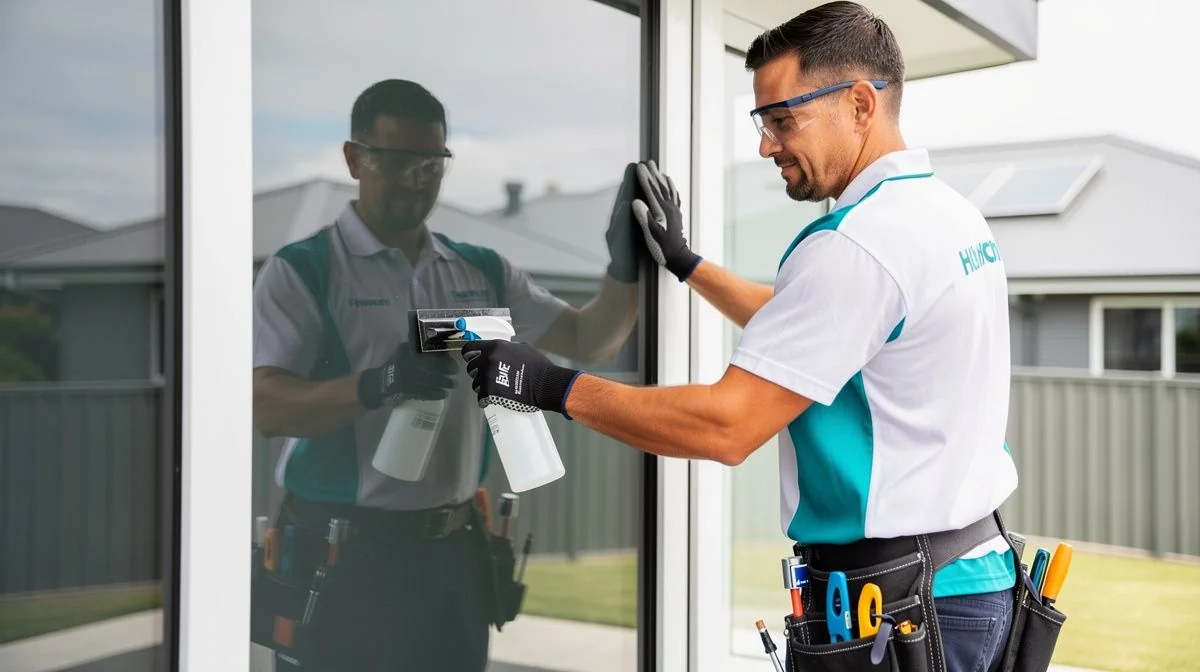
Best Window Tinting Specialists in Gisborne
If you're looking to tint the windows of your home, car, or business in Gisborne, you want a specialist who knows the local climate and can handle everything from coastal sunlight to the strong UV we get year-round. Good window film cuts glare, reduces heat, improves privacy, and can even protect your furniture and flooring from fading.
Finding the right person for the job means knowing what to ask, what to look for, and what to avoid. This guide will help you hire with confidence, whether you're in the city centre, out near the river, or closer to the coast.
What to look for when hiring a Window Tinting Specialist in Gisborne
Not every window tinter offers the same quality. Some use budget films that bubble or peel within a year. Others carry top-grade films backed by long warranties. Here's what you should check before you agree to anything.
Experience and local reputation
Look for a specialist who has been working in the Gisborne area for a few years. They'll understand how our strong sun and sometimes humid conditions affect different film types. Ask for customer references or check recent Google reviews. A consistent pattern of happy customers matters more than a flashy website.
Type of film and brand
There are many kinds of window film: dyed, metalised, ceramic, and safety/security film. Ceramic films often perform best in heat rejection and don't interfere with mobile reception or GPS. Ask what brands they use (3M, SunTek, Llumar, and Avery Dennison are common reliable names). Avoid any tinter who can't tell you exactly what film they're installing.
Written warranty and guarantee
Quality window films come with manufacturer warranties – often 5 to 15 years for residential and commercial, and 5 to 10 years for automotive. The installer should also offer their own workmanship guarantee. Get this in writing. If they hesitate, look elsewhere.
Insurance and certification
Your tinter should have public liability insurance in case of accidental damage to your property. Some specialists also hold certification from film manufacturers or industry bodies (like the Australasian Window Film Association). While not mandatory in New Zealand, it shows a commitment to quality.
Clean, professional installation
Window tinting requires a clean, dust-free environment. For homes and commercial buildings, installers often work on site. For cars, many prefer to work in a controlled workshop. Ask how they prepare the surface and how they handle dust. A messy installation can ruin the look and shorten the film's life.
Key questions to ask before hiring
Before you get a quote, have a chat with two or three specialists. Here are questions that will separate the pros from the amateurs.
- What film do you recommend for my situation, and why? – A good specialist will consider your specific needs: heat reduction, privacy, UV protection, or safety. They should explain the differences between film types.
- Do you come to me, or do I bring my car to you? – For automotive, in-workshop installation is usually better. For homes and offices, mobile service is common. Ask about their setup.
- How long will the job take? – A tint for a standard sedan might take 2–4 hours. A whole house could take a day or more. Get a realistic timeframe.
- What's included in the price? – Does the quote cover removal of old film (if needed)? Does it include tax? Are there extra charges for tricky windows?
- What happens if the film develops bubbles or starts peeling? – A good warranty will cover manufacturing defects and workmanship issues for a set period. Know who to call and what's not covered.
- Is the film compliant with NZ safety and visibility standards? – For vehicles, front side windows must meet light transmittance requirements (typically 35% VLT minimum). For homes, there are no strict rules, but check with your local council if you're in a historic or covenanted area.
- Can you provide a written quote and contract? – Verbal quotes can be misunderstood. A written quote shows they're organised and accountable.
Tips for getting the best results
Once you've hired a specialist, a little preparation can make a big difference to the final outcome.
Prepare your windows properly
For residential and commercial jobs, clean the windows thoroughly before the tinter arrives – or ask if they do that as part of the service. Remove furniture and curtains from the area to give them clear access. For cars, clean the interior and remove any stickers or sunshades.
Choose the right film for each window
Not every window needs the same film. North- and west-facing windows often need higher heat rejection. Skylights might need a different treatment. Let your specialist guide you, but be clear about your priorities (e.g., privacy in the bathroom, heat control in the living room).
Give the film time to cure
After installation, window film needs time to bond and dry fully. For automotive tinting, don't roll down the windows for at least 3–7 days (follow the installer's instructions). For homes and commercial, avoid cleaning the windows for at least 14 days. During this period, small water bubbles or a hazy appearance is normal – they'll disappear as the film dries.
Clean carefully afterwards
Once cured, use a soft, non-abrasive cloth and a mild soap solution (no ammonia-based cleaners) to clean your tinted windows. Improper cleaning can void the warranty. Many specialists recommend microfibre cloths and a specific cleaning product.
Watch out for common mistakes
Beware of installers who offer a "too good to be true" price – they may be using cheap film that won't last through a Gisborne summer. Also avoid anyone who rushes the job or pressures you to decide on the spot. A quality tint should last many years if installed correctly.
A note about costs and getting quotes
Window tinting prices in Gisborne vary depending on the type of film, the number of windows, the size and complexity of the job, and whether it's for a car, home, or commercial building.
For automotive window tinting, you might see prices starting from around $200–$400 for a small sedan with basic film, and up to $800–$1,200 for larger vehicles or premium ceramic films. For a standard house with 10–15 windows, costs typically range from $800 to $2,500 or more, depending on film quality and access.
Always get at least three written quotes from different specialists. Compare not just the total price, but the film brand, warranty length, and what's included (e.g., removal of old tint, door cards removal for cars, aftercare instructions).
Remember that the cheapest quote isn't always the best value. A quality installation with a good warranty can save you money in the long run – especially if you don't have to pay to redo it in a couple of years.
Check with your local council if your property is in a heritage or special character area, as some councils have rules about reflective films or external appearance. And for vehicle tinting, make sure the film complies with NZ Transport Agency regulations – your specialist should be able to confirm this.
Taking the time to choose the right window tinting specialist in Gisborne will give you a result that looks great, performs well, and lasts for years. Start your search by asking friends or neighbours for recommendations, and always meet the installer in person before committing.

The ValueHub Team built this site because finding clear, unbiased financial information in New Zealand was harder than it should be. Every guide is based on real research — we compare the actual fees, terms, and fine print so you don't have to. Our tip: shop around every year, read the policy docs, and never assume loyalty gets you the best deal.— The ValueHub Team
Try our Calculators
Use these free tools to crunch the numbers:
KiwiSaver Fund Comparison
Compare fees, returns, and risk levels across every KiwiSaver fund from all 31 NZ providers.
Currency Converter — USD to NZD
Convert US Dollars to New Zealand Dollars instantly. See the latest exchange rate and 30-day trend.
Mortgage Repayment Calculator
Calculate your weekly, fortnightly, or monthly mortgage repayments. Free NZ mortgage calculator — try different rates, terms, and repayment frequencies.
Compound Interest Calculator
See how your savings grow with compound interest over time. Free NZ compound interest calculator with yearly, monthly, and weekly compounding options.
Term Deposit Calculator
Calculate your term deposit returns before you lock in. Compare interest earned across different terms and rates with ValueHub's free calculator.
Savings Goal Calculator
Calculate how long it will take to reach your savings goal — and what monthly deposit you need to get there. Free NZ savings planner.
Window Tinting Specialists in Other Cities
Latest Guides & Reviews
New Zealand Financial Markets Authority Guide: Investor Protection in NZ
Protect your investments with this practical guide to the FMA — how to check licences, spot scams, and what to do if a provider fails. Verified against...
comparisonEV Home Charger NZ: Costs & Buying Guide
Compare EV home charger costs in NZ — verified prices from $1,299, installation fees, smart features, and what actually matters for your home's power supply.
guideThe Most Popular EVs in New Zealand
The best-selling electric cars in New Zealand, ranked by official registration data. Top BEV and PHEV models and brands, updated monthly.
guideEV Market Stats
New Zealand's EV market in numbers — market share, fleet size, top-selling models and used imports, updated with the latest NZTA and MIA data.