Best Window Tinting Specialists in Kapiti
Published 25 April 2025 · Updated 18 August 2026 · Written by the ValueHub team · Reviewed by Steve Baron
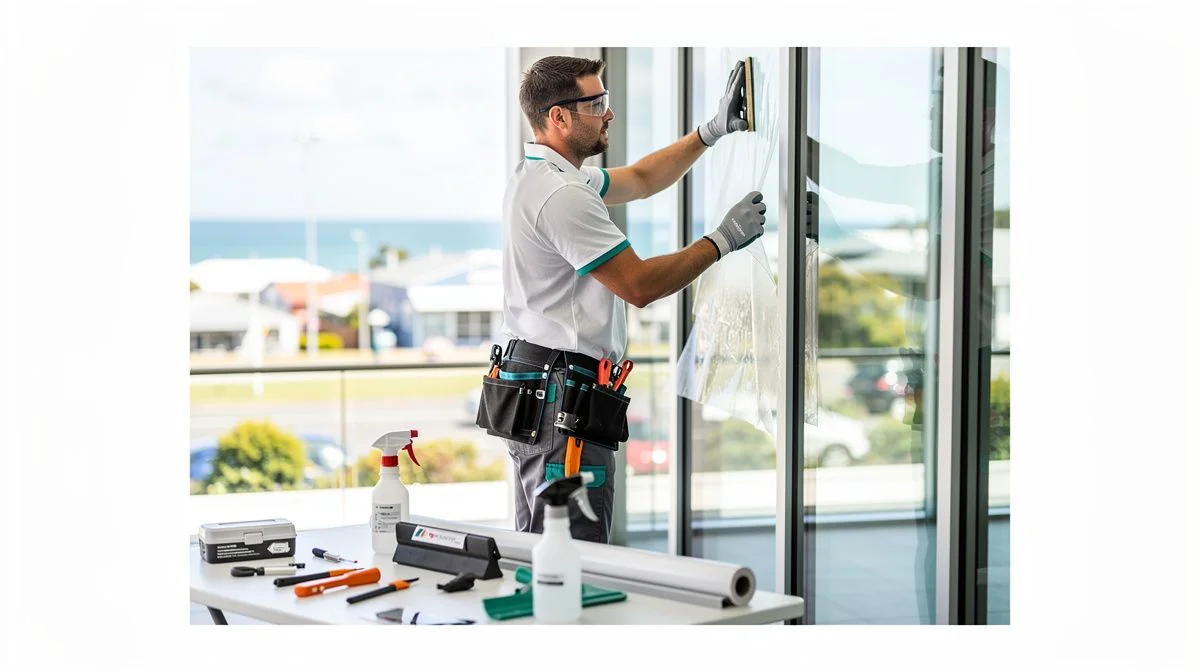
Best Window Tinting Specialists in Kapiti
A coast that gets more wind than most of the country
The Kapiti Coast is one of the most exposed strips of inhabited coastline in New Zealand. The northwesterly that funnels up the coast is not a gentle breeze: it arrives with enough force to push grit against the western face of a house and enough warmth to turn a west-facing living room into the least comfortable room in it. Tinting here is as much about surviving the wind as about blocking the sun.
The settlements each have their own character, and that shapes the work. Paekakariki and Raumati sit closest to the sea, where salt settles on glass and works its way under any edge that has lifted. Paraparaumu and Waikanae have a mix of long-established homes and newer subdivisions, with the older houses often carrying non-standard window sizes that need film cut to fit rather than taken off a shelf. Otaki is further north and slightly more sheltered, but still exposed to the same prevailing wind.
There is another local factor worth naming. Kapiti has a large retired population, and for many households the problem is not heat at all but glare and low sun making a room hard to use, or a need for privacy and security from a window that faces the street. Both are perfectly good reasons to tint, and neither requires the most expensive product on the list.
How We Researched This Guide
We began with the numbers, because price is the first thing anyone asks. That meant gathering published per-square-metre rates from installers working across the Wellington and Kapiti region and comparing them with whole-home estimates from national companies that publish a calculator on their own site. When those figures disagreed, the cause was nearly always the film rather than the labour.
Next we read the manufacturers' technical sheets for the products being quoted, comparing ultraviolet rejection, total solar energy rejection and the glazing types each film is rated for. Coastal exposure added a question we do not ask about inland work: how well a film's edge holds up when salt is sitting on the frame for months at a time.
We also read the New Zealand Transport Agency's glazing rules for the vehicle side, since the light-transmission limits are specific and often described loosely. Every dollar figure on this page was checked against a live source, and where a figure could not be confirmed we described the pattern instead of inventing one.
The 60-Second Version
If you only read one section of this page, read this one.
- Standard residential sun-control film runs about $80–$150 per square metre of glass.
- Salt spray is the local risk, so ask specifically how edges are sealed on coastal properties.
- Older Kapiti homes often have non-standard window sizes, which takes longer to film.
- If glare is your complaint, a light film will fix it without darkening the room.
- A three-bedroom home typically starts from around $1,500, depending on glass area.
- On vehicles, windscreens cannot be tinted and front side windows must stay at 35% or more overall.
Window Tinting Licensing and Regulation
Window tinting is not a licensed trade in New Zealand, so there is no register to check and anyone can buy film and advertise as a specialist. Three checks are available instead. Whether the business is an authorised installer for a named film brand, because brands certify applicators after training and publish their installer lists. Whether it belongs to a trade association whose members install to the manufacturer's specification. And whether it carries public liability insurance.
Vehicles are the regulated corner. A windscreen must have an overall visible light transmittance of at least 70%, and film may not be fitted to it at all. Front side windows may take a transparent overlay provided the combined glass-and-film figure stays at 35% or higher.
That overall figure is where tints commonly fail, because a film sold as "35%" applied to glass already transmitting 70% lands well below the requirement. Rear and rear-side glazing has no minimum of its own, except that passenger cars must not be reduced below 35% overall, and tinting the rear glazing means you need rear-view mirrors on both sides. The New Zealand Transport Agency's guidance on vehicle windows sets this out, and the person who applies the film carries the legal responsibility for staying within it.
Residential tinting on existing private windows generally needs no building consent, because you are adding film to glass rather than altering the structure. Safety and security film on glass that forms part of a building's means of escape is the exception, and must leave the glass performing as it did before. The Building Code guidance on MBIE's building website is where those glazing rules sit.
Kapiti Tinting Prices — What You Should Expect to Pay
Quotes are calculated from the total square metreage of visible glass, so measuring your own windows and dividing gives you a quick way to test any figure. Residential prices are normally quoted inclusive of GST, while commercial quotes often are not.
| Job or film type | Typical price |
|---|---|
| Standard residential sun-control film | $80–$150 per m² |
| Ceramic film (higher heat rejection, low reflectivity) | $120–$200 per m² |
| Decorative or privacy film | $70–$120 per m² |
| Safety and security film | $120–$180 per m² |
| Single room, about 10 m² of glass | $800–$1,600 |
| One-bedroom unit, whole home | From $500 |
| Two-bedroom home | From $1,000 |
| Three-bedroom house | From $1,500 |
| Larger home, four bedrooms or more | From $2,000 |
| Film removal before re-tinting | Quoted per job |
Price ranges verified from multiple New Zealand provider websites and published industry cost guides as of September 2026. Final quotes depend on total glass area, film type, access and window height.
Three things lift a Kapiti quote above the base rate. Access is the biggest, since a second-storey window or one above a steep bank takes longer than the same window at ground level. Salt-affected frames often need cleaning and sealing first. And older homes with non-standard panes take longer, because every piece has to be measured and trimmed rather than fitted from a standard size.
Most residential work is quoted as a fixed price for the whole job, which is what you want. Hourly rates suit a small repair or commercial maintenance. If you are quoted hourly for a normal house, ask for a fixed price before you agree.
How to Choose a Tinting Specialist
Start with the film rather than the fitter. Ask which brand and which specific product is proposed, then look it up and read the ultraviolet and total solar energy rejection figures. If the installer cannot name the product, they cannot warrant it either.
Then ask about the coast. Salt is the local risk, and a specialist who has worked the Kapiti beaches will have a view on edge sealing that an installer from inland will not. It is a fair question and the answer tells you a lot.
Five things worth walking away from:
- A quote that never asks about your glazing. Single glazing and sealed units are not the same job.
- A warranty shorter than five years against bubbling, lifting and discolouration.
- No square-metre figure on the quote. Per-window pricing under-prices large panes and makes quotes impossible to compare.
- No answer about edge sealing on a property within salt reach of the beach.
- A price far below the rest. It usually means economy dyed film, which loses colour and performance long before a quality product would.

What Happens When You Book an Installer
Most companies will quote from measurements and photographs you send them, which is usually enough for a standard home. Ask for a visit if your windows are high, hard to reach, above a bank, or old enough that the frames are uneven.
Before they arrive, clear the rooms they will be working in. Furniture back, curtains down, sills emptied. Film needs clean glass and a dust-free workspace, and clutter slows the job and raises the chance of something being trapped underneath.
Typical job times, though installers differ:
- A single large window or ranch slider: about 30–60 minutes.
- A whole room, three to four windows: two to three hours.
- A standard three-bedroom house: most of a day, sometimes two.
- Homes with non-standard panes: longer than the same window count in a modern house.
- Safety or security film: longer again, because of the edge sealing.
Ask for the written warranty when the job is done and keep it with the film's product code, because that is what a claim is assessed against. You should also be told the curing time. Most films take several weeks to bond fully, and a slight haze or a few small water bubbles are normal in the meantime.
What Living on This Coast Does to Film
The northwesterly and dust
The prevailing wind is warm, drying and full of fine grit off the coast and the highway. Film laid on a windy day traps that grit permanently, so a specialist who wants to reschedule is protecting your job rather than being unreliable. A west-facing window that takes the full force of the wind is also the one most likely to need attention first.
Salt spray and edge sealing
From Paekakariki through to Otaki, salt settles on glass and frames and creeps under any edge that has lifted even slightly. Once salt is underneath, the bond is gone and that panel has to be stripped. Edge sealing matters more here than it does inland, and it is a fair question to ask directly.
Older homes and non-standard glazing
A good deal of Kapiti's housing predates standardised window sizes, so panes vary in dimension from room to room and occasionally within the same room. That is not a problem, but it is more work, and a quote that assumes standard sizes will either be revised or done badly.
Questions You Might Have
Will film stop the low afternoon sun blinding me?
Yes, and that is one of the most common reasons people on this coast tint. Ask for a film with high visible light transmission and a low shading coefficient. It cuts the sharp reflection that makes a screen or a bench unusable while leaving the room feeling bright.
Can you tint leadlight or decorative glass?
It can be done with a clear film that has almost no visible effect, and that is usually the right approach, because a dark film on leadlight destroys what makes it worth keeping. Ask for the clearest high-ultraviolet product rather than a sun-control film.
Does film need more maintenance near the sea?
It benefits from being rinsed. Salt sitting on film is not the problem on its own, but salt working its way towards an edge is, so a periodic wash with clean water and a soft cloth removes the risk before it starts. Never use anything abrasive on a filmed window.
What Matters Most
Two things decide the outcome here. The film decides how it performs in ten years, and the edge sealing decides whether the coastal air gets underneath it. A careless fitter will ruin good product, but no installer can make an economy dyed film last.
Measure your glass, ask how edges will be sealed against the salt, and get two or three local specialists to tell you which product they would specify and why.

The ValueHub Team built this site because finding clear, unbiased financial information in New Zealand was harder than it should be. Every guide is based on real research — we compare the actual fees, terms, and fine print so you don't have to. Our tip: shop around every year, read the policy docs, and never assume loyalty gets you the best deal.— The ValueHub Team
Try our Calculators
Use these free tools to crunch the numbers:
KiwiSaver Fund Comparison
Compare fees, returns, and risk levels across every KiwiSaver fund — the most up to date data in New Zealand.
Currency Converter — USD to NZD
Convert US Dollars to New Zealand Dollars instantly. See the latest exchange rate and 30-day trend.
Mortgage Repayment Calculator
Calculate your weekly, fortnightly, or monthly mortgage repayments. Free NZ mortgage calculator — try different rates, terms, and repayment frequencies.
Compound Interest Calculator
See how your savings grow with compound interest over time. Free NZ compound interest calculator with yearly, monthly, and weekly compounding options.
Term Deposit Calculator
Calculate your term deposit returns before you lock in. Compare interest earned across different terms and rates with ValueHub's free calculator.
Savings Goal Calculator
Calculate how long it will take to reach your savings goal — and what monthly deposit you need to get there. Free NZ savings planner.
Window Tinting Specialists in Other Cities
Latest Guides & Reviews
Kōura KiwiSaver Scheme Review
Kōura KiwiSaver review: 13 open funds, fund charges from 0.63 to 1.10 per cent, and net returns to 30 June 2026.
reviewMaritime KiwiSaver Scheme Review
Maritime KiwiSaver review: 3 open funds, fund charges from 0.61 to 0.76 per cent, and net returns to 31 March 2026.
reviewMAS KiwiSaver Scheme Review
MAS KiwiSaver review: 7 open funds, fund charges from 0.25 to 0.98 per cent, and net returns to 30 June 2026.
reviewArotahi KiwiSaver Scheme Review
Arotahi KiwiSaver review: 1 open fund, a 0.77 per cent fund charge, and net returns to 31 March 2026. What the Government register shows you pay and get back.