Best WOF Inspectors in Kapiti
Published 28 April 2025 · Updated 18 August 2026
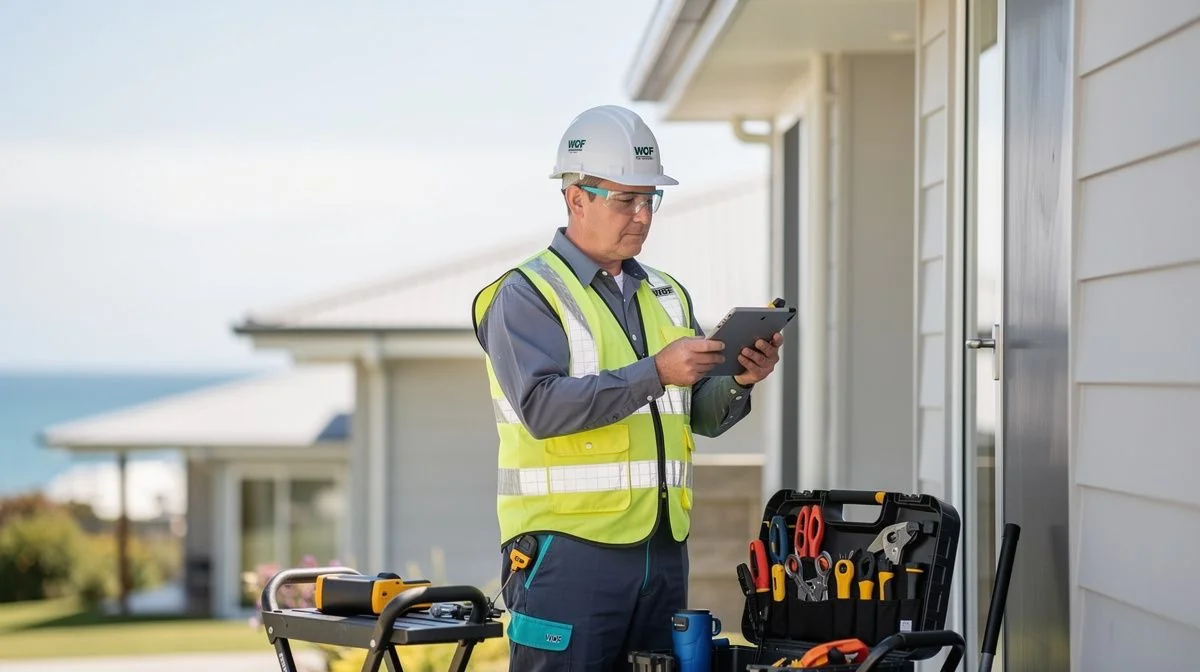
Best WOF Inspectors in Kapiti
Finding a reliable WOF inspector in Kapiti doesn't have to be a headache. Whether you live in Paraparaumu, Waikanae, Ōtaki, or anywhere in between, you need someone who knows the local roads and can give your car a thorough once-over. A Warrant of Fitness is more than just a sticker — it's your legal go-ahead to drive safely for another year. The right inspector will catch issues early and save you from costly surprises later.
Kapiti has a good mix of independent garages and larger chains. Some specialise in certain makes, while others handle everything from hatchbacks to diesel utes. The trick is knowing what separates a great WOF inspector from one who's just ticking boxes.
What to look for when hiring a WOF Inspector in Kapiti
Not all inspectors are created equal. Here are the key things to keep an eye out for when choosing who will check your vehicle.
- NZTA certification. Every WOF inspector in New Zealand must be certified by the NZ Transport Agency. Ask if their workshop is an approved WOF provider — and don't be shy about confirming it.
- Local reputation. Word of mouth matters in Kapiti. Ask neighbours, workmates, or your local Facebook community group. A garage that has been in Paraparaumu or Waikanae for years usually earns its reputation one customer at a time.
- Transparent communication. The best inspectors explain what they find and why. If an item fails, they should show you and tell you exactly what needs fixing. Vague answers or pressure to get expensive repairs done on the spot are red flags.
- Range of services. Many WOF inspectors also offer minor repairs, tyre checks, and servicing. That can be handy — they can fix small issues there and then rather than sending you elsewhere.
- Clean, organised workshop. A tidy garage often reflects a methodical approach to inspections. It's not a guarantee, but it's a good sign.
Our Trusted WOF Inspectors
We feature businesses that demonstrate strong performance, proven experience, and consistently positive customer feedback. Some of the providers listed may have commercial relationships with us, but all are selected based on quality and reliability.
To begin, reach out to them and speak with them directly — this helps you explain your job, ask questions, and confirm whether they're the right fit.
Wof Paraparaumu, Located 196 Kapiti Road is your local vehicle testing station. Formerly VTNZ Kapiti, Car WOF, Service, Tyres and registration all in one place, MTA Assured. Vehicle Testing Kapiti located at 196 Kapiti Road, Paraparaumu is your local independent vehicle testing station for fast and friendly warrant of
Key questions to ask before hiring
Before you book in your WOF, ask the inspector or workshop these questions. Their answers will tell you a lot about how they operate.
- How long have you been doing WOF inspections in Kapiti? Local experience means they know the types of wear and tear common on Kapiti roads — coastal corrosion, gravel-road damage, and the like.
- Do you allow you to wait while the inspection is done? Some workshops let you watch or at least stay in a waiting area. Others take the car away. If you'd like to see what they're checking, ask first.
- What happens if my car fails? A good inspector will give you a list of items to fix and a reasonable timeframe. Some provide a free or discounted re-check after repairs. Clarify the policy upfront.
- Do you have a current NZTA approval number? Every authorised WOF provider has one. You can even check it against the NZTA's online register if you want extra peace of mind.
- What do you typically see fail on cars of my model/age? This shows they have practical knowledge, not just theory. A good inspector knows that older European cars may have different common issues than a Japanese import.
Tips for getting the best results
A WOF inspection doesn't have to be stressful. A little preparation goes a long way towards a smooth experience.
- Do a basic pre-check yourself. Before you book, look over your tyres (tread depth and pressure), lights (headlights, indicators, brake lights), wipers, and windscreen chips. Fixing these minor things yourself saves time and cost.
- Book ahead. Kapiti's inspectors can get busy, especially at the end of the month. A few days' notice means you get a time that suits you.
- Bring your vehicle's registration and previous WOF certificate. The inspector will need these to log the inspection. Having them handy speeds things up.
- Don't clean everything. Sure, clear the junk from the back seat. But a detailed interior isn't required — they're checking safety, not tidiness. A quick vacuum and a wipe of the dash is plenty.
- Ask about rechecks. If your car fails, most workshops offer a free or reduced-cost recheck within a certain period (often 7 to 14 days). Make sure you know the rules so you don't pay full price twice.
- Listen to the inspector. If they suggest preventive maintenance (like replacing a worn belt that's still within spec), consider it. Catching problems now is cheaper than a breakdown later.
A note about costs and getting quotes
WOF inspection fees in New Zealand are not set by law — each garage sets its own price. As of the time of writing, the cost for a standard car WOF in the Kapiti area typically ranges from around $50 to $70. Some places charge extra for diesel vehicles, heavy vehicles, or vehicles with non-standard modifications. Always ask the price before you book.
Getting quotes is easy in Kapiti. A phone call or a quick online enquiry to two or three local workshops will give you a good picture. But don't base your decision on price alone. A $55 WOF from a garage with a poor reputation could cost you more in failed items and unnecessary repairs than a $65 one from a trusted inspector.
Some workshops offer package deals that combine a WOF with a service or tyre check. If your car is due for both, that can save you money. Just be sure the service is optional — never let a garage talk you into an expensive service just to pass a WOF.
Also remember that a WOF inspection does not include things like oil changes, brake fluid checks, or coolant levels. Those are part of a full service. If you want a more thorough check of your car's overall health, consider a service and WOF combo.
The best WOF inspector in Kapiti is one who balances thoroughness with fairness — someone who won't fail your car on a technicality but also won't let a dangerous fault slide. A little time spent choosing the right person will keep you safer and save you money in the long run.

The ValueHub Team built this site because finding clear, unbiased financial information in New Zealand was harder than it should be. Every guide is based on real research — we compare the actual fees, terms, and fine print so you don't have to. Our tip: shop around every year, read the policy docs, and never assume loyalty gets you the best deal.— The ValueHub Team
Try our Calculators
Use these free tools to crunch the numbers:
KiwiSaver Fund Comparison
Compare fees, returns, and risk levels across every KiwiSaver fund from all 31 NZ providers.
Currency Converter — USD to NZD
Convert US Dollars to New Zealand Dollars instantly. See the latest exchange rate and 30-day trend.
Mortgage Repayment Calculator
Calculate your weekly, fortnightly, or monthly mortgage repayments. Free NZ mortgage calculator — try different rates, terms, and repayment frequencies.
Compound Interest Calculator
See how your savings grow with compound interest over time. Free NZ compound interest calculator with yearly, monthly, and weekly compounding options.
Term Deposit Calculator
Calculate your term deposit returns before you lock in. Compare interest earned across different terms and rates with ValueHub's free calculator.
Savings Goal Calculator
Calculate how long it will take to reach your savings goal — and what monthly deposit you need to get there. Free NZ savings planner.
WOF Inspectors in Other Cities
Latest Guides & Reviews
New Zealand Financial Markets Authority Guide: Investor Protection in NZ
Protect your investments with this practical guide to the FMA — how to check licences, spot scams, and what to do if a provider fails. Verified against...
comparisonEV Home Charger NZ: Costs & Buying Guide
Compare EV home charger costs in NZ — verified prices from $1,299, installation fees, smart features, and what actually matters for your home's power supply.
guideThe Most Popular EVs in New Zealand
The best-selling electric cars in New Zealand, ranked by official registration data. Top BEV and PHEV models and brands, updated monthly.
guideEV Market Stats
New Zealand's EV market in numbers — market share, fleet size, top-selling models and used imports, updated with the latest NZTA and MIA data.