Best WOF Inspectors in Upper Hutt
Published 28 April 2025 · Updated 23 February 2026
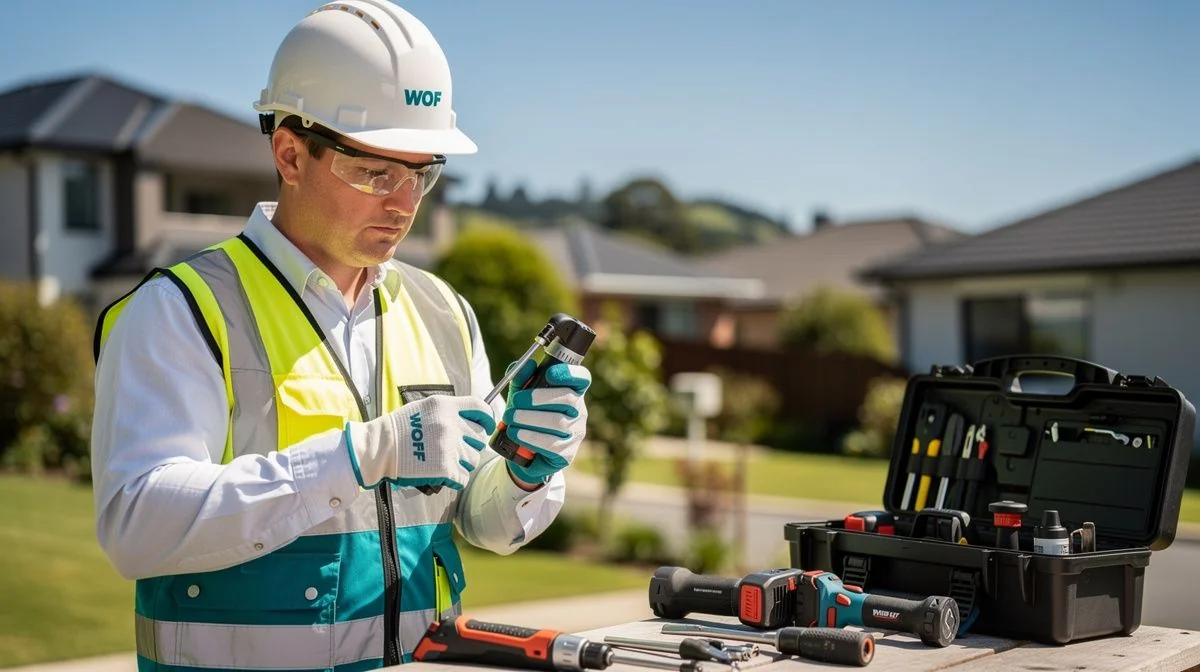
Best WOF Inspectors in Upper Hutt
Finding a reliable WOF inspector in Upper Hutt doesn’t have to be a headache. Whether you drive a hatchback, a ute, or a family SUV, your vehicle needs a regular Warrant of Fitness to stay legal and safe on the road. In Upper Hutt, you’ve got options — from the big national chains like VTNZ and AA to local mechanics who are authorised by Waka Kotahi (NZ Transport Agency) to carry out inspections.
The trick is knowing how to pick the right one. Not all inspectors are the same, and a good WOF experience can save you time, money, and stress. This page will walk you through what to look for, what questions to ask, and how to get the best result from your next inspection.
What to Look for When Hiring a WOF Inspector in Upper Hutt
First things first — the inspector you choose must be an authorised WOF provider. That means they’re approved by Waka Kotahi and follow strict national standards. Any garage or testing station in Upper Hutt that offers WOFs will display their authorisation, so don’t be shy about asking to see it.
Here are the key things to check before you book in:
- Authorisation status — Make sure the inspector is currently licenced. You can check the official Waka Kotahi register online if you want extra peace of mind.
- Reputation — Word of mouth counts. Ask friends, family, or your local Facebook community group for recommendations. A busy, well-regarded inspector is usually a good sign.
- Transparency — A good inspector will explain exactly what they’re checking and why. If something fails, they should show you the problem and tell you what needs fixing.
- Turnaround time — Some inspectors offer a quick check (often 15–20 minutes) while others might need the vehicle for a few hours. If you need a same-day result, ask upfront.
- Recheck policy — If your vehicle fails, you’ll usually get a free or discounted recheck within a certain time frame (often 28 days). Check the inspector’s policy so there are no surprises.
Key Questions to Ask Before Hiring
Before you hand over the keys, ask these questions. A trustworthy inspector will be happy to answer them:
- “Are you currently authorised by Waka Kotahi to perform WOF inspections?” — If they hesitate or can’t show proof, walk away.
- “How long does the inspection take, and can I wait?” — Some places let you sit in the waiting room; others prefer you drop off and come back later.
- “What happens if my vehicle fails? Do you offer free rechecks, and how long are they valid?” — Most inspectors allow a recheck within 28 days without charging again for the test itself.
- “Do you provide a detailed list of items that need repair?” — A reputable inspector will give you a written report of any failures and the reasons.
- “Can I get a quote for any necessary repairs before you start work?” — You don’t have to let the same garage fix the problem. A good inspector will give you a quote and let you decide where to take it.
Asking these questions shows you’re serious about safety and fairness. It also helps you avoid inspectors who might suggest unnecessary repairs just to bump up the bill.
Tips for Getting the Best Results
Let’s be honest — a WOF can be stressful, especially if you’re worried about hidden issues. Here’s how to make the experience smoother and increase your chances of passing first time:
- Check the basics before you go. Lights, indicators, windscreen wipers, tyres (including the spare), and seatbelts are all quick to check yourself. A blown bulb or low tyre tread is an easy fix before the inspection.
- Keep your car clean inside and out. A cluttered cabin can make it harder for the inspector to check seatbelts and windows. A surprising number of failures come from brake lights being obscured by stuff on the rear shelf.
- Bring your previous WOF certificate (if you have it). Some inspectors appreciate seeing the vehicle’s history, though it’s not required.
- Book ahead. Upper Hutt testing stations can get busy, especially on Saturdays or school holidays. A morning appointment often means a quicker turnaround.
- If it fails, don’t panic. A failure doesn’t mean the vehicle is unsafe to drive home — usually you can drive back to your residence or a repair shop. Check with the inspector about what’s allowed under the law.
One more tip: if you’re buying a used car from a dealer or private seller in Upper Hutt, you can request a pre-purchase inspection from a WOF-certified mechanic. It’s not the same as a WOF (which checks condition at a point in time), but it gives you a thorough look at the vehicle’s health.
A Note About Costs and Getting Quotes
The cost of a WOF in New Zealand is regulated — inspectors cannot charge more than the maximum fee set by Waka Kotahi. That maximum is reviewed periodically, so it pays to check the current amount (usually around $60 for a light vehicle, but confirm with your local station).
In Upper Hutt, you’ll find prices fairly consistent across authorised providers, but some garages may charge a little more for a thorough inspection or for additional services like a brake check. Don’t be afraid to ask for the total cost before booking — and

The ValueHub Team built this site because finding clear, unbiased financial information in New Zealand was harder than it should be. Every guide is based on real research — we compare the actual fees, terms, and fine print so you don't have to. Our tip: shop around every year, read the policy docs, and never assume loyalty gets you the best deal.— The ValueHub Team
Try our Calculators
Use these free tools to crunch the numbers:
PAYE Calculator
Calculate your take-home pay after PAYE tax, ACC, KiwiSaver, and student loan deductions.
Compound Interest Calculator
See how your savings grow with compound interest over time. Free NZ compound interest calculator with yearly, monthly, and weekly compounding options.
Mortgage Repayment Calculator
Calculate your weekly, fortnightly, or monthly mortgage repayments. Free NZ mortgage calculator — try different rates, terms, and repayment frequencies.
Term Deposit Calculator
Calculate your term deposit returns before you lock in. Compare interest earned across different terms and rates with ValueHub's free calculator.
Savings Goal Calculator
Calculate how long it will take to reach your savings goal — and what monthly deposit you need to get there. Free NZ savings planner.
Credit Card Repayment Calculator
See how long it really takes to pay off your credit card — and how much interest you could save by paying more each month. Free NZ calculator.
WOF Inspectors in Other Cities
Best WOF Inspectors in Auckland
Best WOF Inspectors in Wellington
Best WOF Inspectors in Christchurch
Best WOF Inspectors in Hamilton
Best WOF Inspectors in Tauranga
Best WOF Inspectors in Dunedin
Latest Guides & Reviews
US Dollar to NZD: A Practical Guide for Kiwis
Compare the true cost of buying USD in NZ. We reveal the fees, margins, and hidden charges banks, Wise, and airport desks add to every US dollar transfer.
reviewUnderstanding NZ Council Rates
Follow a single rates dollar from your bank account to see where it really goes and how councils set your bill.
comparisonBest Gold and Platinum Credit Cards in New Zealand
Best gold and platinum credit cards in NZ compared: when a $150 annual fee pays for itself through travel insurance and perks.
guideBest Investment Managers in New Zealand
Compare Fisher Funds, Milford, and Pie Funds in this practical guide to vetting NZ investment managers before you trust them with your money.