Best Power Companies in New Zealand
Published 03 June 2025 · Updated 18 February 2026 · Written by the ValueHub team · Reviewed by Steve Baron
Best Power Companies in New Zealand
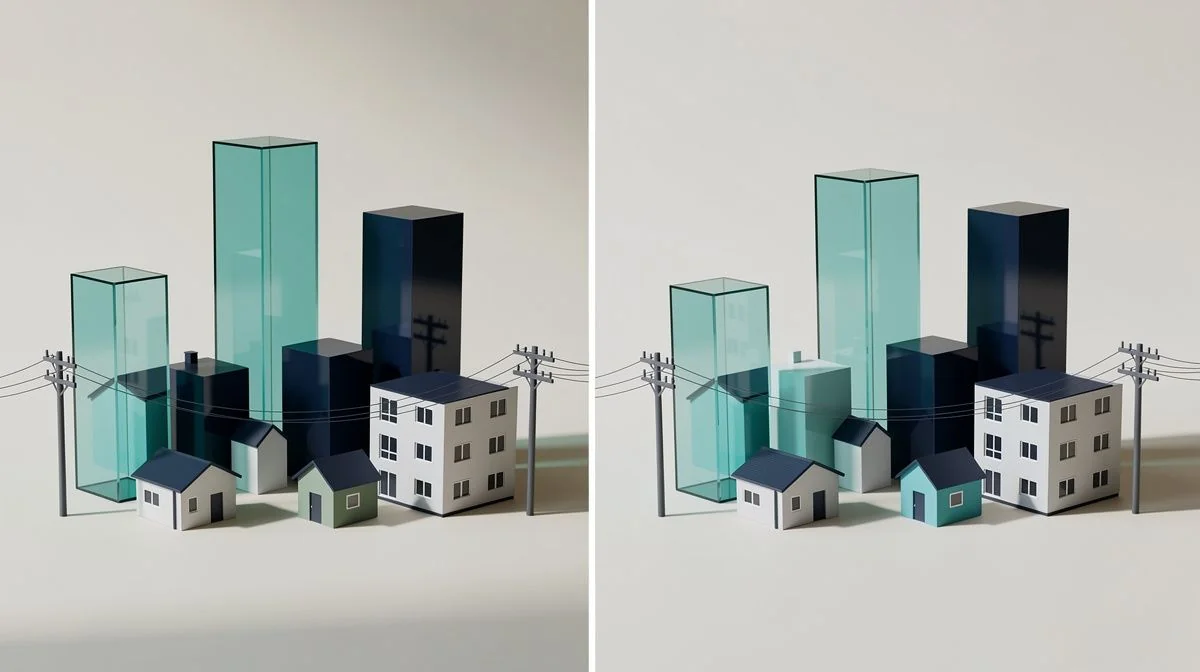
Here's the thing nobody tells you when you start comparing power deals: the biggest chunk of your bill isn't set by your retailer at all. It's set by the lines company that owns the poles and wires in your street, and it comes with your address. Whoever sends the invoice, that part stays the same.
So "best power company" isn't a national ranking. It's a question about your address, your usage, and how much of your bill sits on the fixed daily charge versus the per-unit rate. That's why your neighbour can pay a different price for the same number of kilowatt-hours.
We've kept the useful bits of this guide — the plan structures, the naming of the main retailers — and thrown out the invented savings figures that used to sit in it. What's left is what we can actually stand behind.
How We Researched This Guide
We went back to the primary sources: the Electricity Authority's explanation of what's actually on a power bill, MBIE's regulations on the low fixed charge phase-out, and EECA's home energy guidance. For the market context we used the Commerce Commission's telecommunications monitoring work and its mobile transparency guidelines. Where a source told consumers to use a named comparison service, we've written "an independent comparison service" and left the name out.
One thing genuinely surprised us. Electricity retailers aren't required to show the unit price on your bill, and some display rates excluding GST while others include it — the treatment of the Electricity Authority levy varies too. That means a 15 per cent gap between two figures can be a units difference rather than a real price difference. It's set out in the Electricity Authority's consumer guidance, and it's worth knowing before you compare anything.
ValueHub's Trusted Providers
We've researched the providers below — here are our picks for this category.
Solar Partners NZ are the only authorised distributor of Enphase products in NZ. We're a premier solar system wholesaler, trainer & business support hub.
The Quick Summary (60-Second Version)
If you only read one part of this page, read this.
- Your bill is a fixed daily charge in cents per day plus one or more variable charges in cents per kilowatt-hour. Everything else is a breakdown, a discount, or GST.
- You choose the retailer only. The lines charge comes with the address and is identical whoever bills you.
- The low fixed charge option is being phased out over five years from 1 April 2022, with the maximum rising $0.30 each April. From 1 April 2027 retailers won't have to offer one at all.
- If you use under 8,000 kWh a year — 9,000 in the lower South Island — you must still pay less on a low fixed charge option than on any alternative.
- Heating is about a third of the average home's energy bill, and a heat pump costs roughly a quarter of what a bar heater does to run.
- The regulator's own finding is that people overpay mostly because they never move, not because cheap plans are hidden.
What's Actually On Your Bill
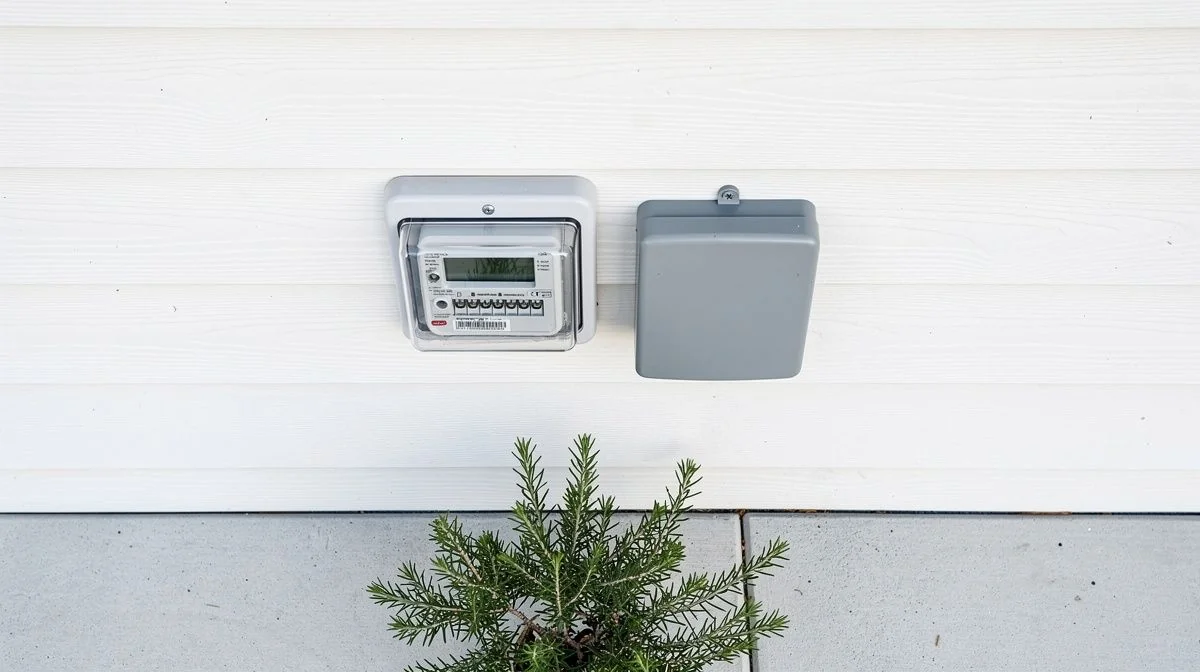
Two charges do all the work. The daily charge, shown in cents per day, is paid for every day the property is connected whether or not you use anything — which is why an empty holiday house still gets a bill. It covers meter rental, reading, billing and account overheads, and in most cases a fixed fee from the network company.
The variable charge, in cents per kilowatt-hour, covers the power you actually use. A kilowatt-hour is a 1,000-watt heater running for an hour. Hot water usually sits on a controlled circuit, which the lines company can switch off briefly at peak times in exchange for a lower rate — so you'll often see an anytime rate and a controlled rate as separate lines.
Bills also carry government levies, including the Electricity Authority levy that funds market regulation. Those are paid by industry participants and passed through into what you pay.
Why Your Neighbour Pays Something Different
The Commerce Commission regulates Transpower, the lines companies and gas pipeline businesses because they're natural monopolies. It sets maximum average prices and minimum quality standards, but those businesses still set the price for an individual customer — which is why charges differ by location and customer type. The lines component isn't something any retailer competes on. That single fact explains most of the confusion in this market.
From 30 October 2026, information on power bills becomes clearer and more consistent, with charges explained in plain language. That should make comparing plans meaningfully easier than it is today.
The Low Fixed Charge Phase-Out, Explained
The Electricity (Low Fixed Charge Tariff option for Domestic Consumers) Regulations 2004 required retailers to offer a domestic low fixed charge option capped at $0.30 a day, excluding GST but after any prompt payment discount. The government is phasing that out over five years from 1 April 2022, lifting the maximum by $0.30 each April until it roughly matches the standard fixed charge.
| Date | Maximum low fixed charge |
|---|---|
| Under the 2004 regulations | $0.30 a day |
| 1 April 2022 | $0.60 a day |
| 1 April 2023 | $0.90 a day |
| 1 April 2024 | $1.20 a day |
| 1 April 2025 | $1.50 a day |
| 1 April 2026 | $1.80 a day |
| 1 April 2027 | Regulations removed |
The gradual rise is deliberate — it softens the hit for households on the discounted option. Throughout, retailers must keep offering low fixed charge options, and domestic consumers using under 8,000 kWh a year (9,000 in the lower South Island, meaning Christchurch and below but excluding the West Coast) must pay less on that option than on any corresponding alternative.
Here's what it means in practice. A low user plan trades a lower daily charge for a higher per-unit rate. As the maximum daily charge climbs every April, that trade-off shifts. If you've been on a low user plan for years without checking, the maths may have quietly turned against you. After 1 April 2027 no retailer will be required to offer one at all.
Choosing Between Retailers
Because the lines charge is fixed by address, retailers compete on the retail margin and on the second service's overhead. That's the whole game. A bundle can only save you money on those two things — never on the regulated network component. So the test for any bundle is simple: price the bundle total against the cheapest stand-alone versions of each service, and only then decide.
Watch the units. Some retailers show rates excluding GST, others include it, and levy presentation varies. Before you conclude one plan is cheaper, check you're comparing like with like. A 15 per cent apparent gap can vanish entirely once you line the numbers up properly.
Then look at your own usage shape. Households that burn a lot of power in winter for heating are usually better on a lower per-unit rate, even with a higher daily charge. Households with steady, modest usage should check whether a low fixed charge option still wins. Controlled hot water changes the picture again, because that portion is charged at the lower rate.
Cutting the Bill From the Other End
EECA's guidance is the most useful thing here. Heating makes up about a third of the average home's energy bill, and the average New Zealand heat pump puts out around three times more heat than the power it consumes. For an average household it costs $122 a year less to run than piped gas heating and $352 less than bottled LPG, before daily gas connection costs. Against bar and column heaters it's about a quarter of the running cost.
Set the thermostat between 18°C and 21°C — EECA says 20°C or 21°C should be the maximum. The idea that running a heat pump 24/7 is efficient is a myth; use the timer. Clean the filter monthly through winter for about $50 a year, and set the fan to auto rather than low. Heating only the rooms you're using, with doors closed and draughts sealed, is put at up to $350 a year.
Questions You Might Have
Does switching power companies cause a power cut?
No. The lines company keeps supplying your address regardless of who bills you, so nothing gets disconnected during a switch. You keep using power normally while the retailer change goes through.
Is a low user plan still worth it?
It depends on your annual usage and the current maximum daily charge. If you use under 8,000 kWh a year, retailers must still offer you an option that costs less than any alternative. But as the maximum rises each April, re-check annually rather than assuming.
Why is my bill different from my neighbour's?
Most likely the lines charge, which is set by geography and customer type rather than by your retailer. Different usage, different plan structure and different hot water setups also play a part.
Should I bundle power with broadband or mobile?
Only if the bundle total beats the cheapest stand-alone services. Bundling can save on the retail margin and the second service's overhead, but it can never discount the regulated network component.
How often should I check my plan?
Once a year, at minimum. The Commerce Commission found only 5 per cent of mobile consumers changed providers in the year reported, describing it as persistent inertia. Broadband switching fell from 12 per cent to 10 per cent. People who review annually are already ahead.
What Matters Most
The honest version of this article is shorter than most: the reason people overpay for power isn't that better plans are hidden. It's that they never move. The regulator's own research keeps landing on the same finding — high customer inertia, and consumers sitting on plans that don't match their usage.
So the useful habit isn't hunting for the single best company. It's knowing your own two numbers — annual kilowatt-hours and your split between fixed and variable — and re-checking once a year, ideally after the 1 April change. That takes twenty minutes and it's the whole task.
Everything else is noise. Compare like with like, ignore headline discounts until you've checked the units, and treat your address as the thing that sets half your bill.

The ValueHub Team built this site because finding clear, unbiased financial information in New Zealand was harder than it should be. Every guide is based on real research — we compare the actual fees, terms, and fine print so you don't have to. Our tip: shop around every year, read the policy docs, and never assume loyalty gets you the best deal.— The ValueHub Team
Try our Calculators
Use these free tools to crunch the numbers:
KiwiSaver Fund Comparison
Compare fees, returns, and risk levels across every KiwiSaver fund — the most up to date data in New Zealand.
Currency Converter — USD to NZD
Convert US Dollars to New Zealand Dollars instantly. See the latest exchange rate and 30-day trend.
Mortgage Repayment Calculator
Calculate your weekly, fortnightly, or monthly mortgage repayments. Free NZ mortgage calculator — try different rates, terms, and repayment frequencies.
Compound Interest Calculator
See how your savings grow with compound interest over time. Free NZ compound interest calculator with yearly, monthly, and weekly compounding options.
Term Deposit Calculator
Calculate your term deposit returns before you lock in. Compare interest earned across different terms and rates with ValueHub's free calculator.
Savings Goal Calculator
Calculate how long it will take to reach your savings goal — and what monthly deposit you need to get there. Free NZ savings planner.
Related Articles
Best Mobile Plans in New Zealand Compared
Skinny beats Spark, One NZ, and 2degrees on price at every data level. See the best SIM-only mobile plans in New Zealand compared.
comparisonSkinny Mobile vs 2degrees vs Warehouse Mobile Compared
Compare Skinny Mobile, 2degrees, and Warehouse Mobile prepaid plans in NZ. See which offers the best value, coverage, and features for your budget.