Best Bathroom Renovators in Auckland
Published 19 August 2026 · Written by the ValueHub team · Reviewed by Steve Baron
Why a Good Bathroom Renovator Matters in Auckland
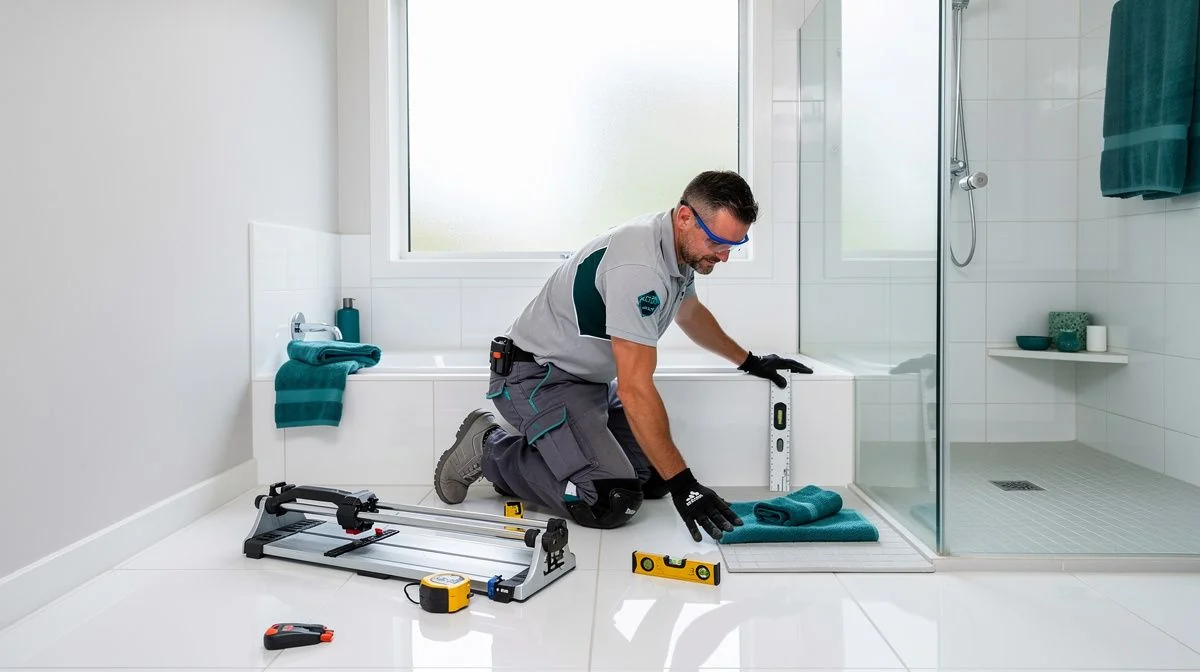
A bathroom renovation occupies a strange position in New Zealand's building rules. A like-for-like refresh — new vanity, new taps, fresh tiling — is usually exempt from building consent. But the moment you add a fixture, move one, or install a new tiled shower, you cross into consented work. Understanding that line is the single most important thing a renovator gets right.
Auckland makes the stakes higher for two reasons. The city has an enormous stock of older villas and bungalows, and the bathrooms in those homes were rarely built with modern plumbing, ventilation or waterproofing in mind. Renovating one properly means dealing with suspended timber floors, ageing pipework and uneven walls — none of which are visible until you open the room up.
The other reason is moisture. Auckland is humid, and a waterproofing failure behind a shower is one of the most expensive things a homeowner can face — it rots framing out of sight for years before anyone notices. Get the waterproofing right, and the room will last for decades. Get it wrong, and you are redoing the whole job within a few years.
A standard full bathroom renovation in Auckland typically costs $20,000 to $35,000. That is a serious spend, and the difference between a good renovator and a bad one is often measured in the hidden work you cannot see.
How We Researched This Guide
We worked through the actual building rules, not second-hand advice. We read the Auckland Council guidance on bathroom renovations to explain exactly when consent is needed, and the Building Code and wet-area membrane standards to describe what proper waterproofing involves.
For pricing, we reviewed published cost guides from several Auckland renovation companies and cross-checked them against one another — the ranges below reflect those sources, not a single quote. If a number is on this page, we found a real source for it. If we could not verify something, we left it out.
Our Trusted Bathroom Renovators
We feature businesses that demonstrate strong performance, proven experience, and consistently positive customer feedback. Some of the providers listed may have commercial relationships with us, but all are selected based on quality and reliability.
To begin, reach out to them and speak with them directly — this helps you explain your job, ask questions, and confirm whether they're the right fit.
Looking for home renovation builders? Let Refresh Renovations deliver the renovation of your dreams; on time and within your budget. Which aspect of your home are you looking to renovate. Your renovation will run smoothly. Thanks to our proven 5 step process.
Buy online for delivery across New Zealand. Crown Bathrooms is your first choice when you are building or undertaking bathroom renovations. Crown Bathrooms, formerly known as Crown Showers, has been supplying quality and fashionable bathroom fittings and products in New Zealand for over 15 years.
The Quick Summary (60-Second Version)
Everything below, boiled down to six lines.
- Typical cost: a full Auckland bathroom renovation runs $20,000–$35,000; a basic refresh starts around $8,000.
- How long: a standard renovation takes three to four weeks; a basic refresh takes one to two weeks.
- Best value for most homes: a mid-range full renovation — the cheapest option that properly redoes waterproofing.
- What to check: whether they handle consent, and that waterproofing meets the wet-area membrane standard.
- The biggest factor: the hidden work — waterproofing, framing and pipework behind the tiles.
- The mistake to avoid: skipping or cheaping out on the waterproofing membrane.
Bathroom Renovation Licensing & Regulation — What Actually Matters
The rules turn on what you are changing. Like-for-like replacements — swapping a vanity, toilet or shower unit in the same position — are generally exempt from building consent. The work still has to meet the Building Code, but you do not need the council involved.
Consent kicks in for three things: adding a fixture that was not there before, moving a fixture to a new position, or installing a new waterproof membrane for a tiled wet area. Converting an acrylic shower into a fully tiled one is the classic trigger, because the membrane hidden behind the tiles is consented work.
| Work | Consent needed? |
|---|---|
| Swap vanity, toilet or shower unit in place | Generally no |
| Add a new fixture or second bathroom | Yes |
| Move a fixture to a new position | Yes |
| Install a new tiled wet-area shower | Yes |
| Any structural or weathertightness work | Yes, and needs an LBP |
There is no dedicated "bathroom renovator" licence. What matters is who does each trade. A registered plumber or drainlayer must perform sanitary plumbing and drainage work. Structural work and any weathertightness work must be done or supervised by a Licensed Building Practitioner. And waterproofing, while not restricted building work, must still comply with the wet-area membrane standard — and it is the step most likely to come back to bite you.
In practice, a good renovator either holds the relevant licences themselves or runs a crew that does, and they will show you the paperwork. Ask who holds the plumbing registration and the LBP, and request a producer statement and a photo record of the waterproofing before tiling goes over it.
Auckland Pricing — What You Can Expect to Pay
Auckland bathroom renovations run about 20 to 30 per cent above the national average, driven by higher labour rates and strong demand. Expect to pay roughly $90 to $120 per hour for plumbing and $80 to $120 per hour for electrical work.
| Renovation type | Typical cost |
|---|---|
| Budget refresh (fixtures, paint, minor tiling) | $8,000–$15,000 |
| Standard full renovation | $20,000–$35,000 |
| Custom or premium renovation | $35,000–$65,000+ |
| Waterproofing (typical 6–8 m² room) | $800–$1,500 |
| Tiling, supply and labour | $3,000–$8,000+ |
| Moving plumbing fixtures | $3,000–$6,000 |
| Vanity and tapware | $1,000–$4,000+ |
| Shower system | $800–$5,000+ |
| Ventilation and heating | $300–$2,000 |
| Council consent (where required) | $1,500–$5,000 |
Price ranges verified from multiple Auckland renovation company cost guides as of August 2026. Final quotes depend on the room size, whether you move fixtures, the materials you choose, and what the renovator finds behind the old linings.
The two biggest line items are almost always tiling and waterproofing. Tiling alone can run $3,000 to $8,000 or more in a mid-range renovation, because labour is the expensive part. Waterproofing is a smaller line item — roughly $800 to $1,500 for an average room — but it is the one you must never cut corners on.
Moving plumbing is the hidden cost that catches people out. Shifting a toilet or shower to a new position requires new pipework through floors or walls and can add $3,000 to $6,000 on its own. Keeping the layout as-is is the single biggest way to hold the budget down.
Most renovators quote a fixed price for a defined scope, and you want an itemised written quote that covers demolition, plumbing, electrical, waterproofing, tiling, and fixtures. Ask whether the price is GST-inclusive and whether council consent and fees are included or extra.
How to Choose a Renovator — What Actually Matters
Check who holds the licences before you sign. Ask who is doing the plumbing (it must be a registered plumber) and who is doing any structural work (it must be an LBP). A renovator who is vague about this poses a risk, because you bear the compliance burden if it is done wrong.
Ask specifically about waterproofing. This is the make-or-break step. They should be able to tell you which membrane system they use, that it is certified to the wet-area standard, and that they will provide a photo record and a producer statement before the tiles go on. If they brush past waterproofing, walk away.
Ask about experience with your kind of home. A renovator who mostly does modern bathrooms in new subdivisions is not the same as one who works on Auckland villas and bungalows. Older homes have suspended timber floors, ageing pipework and walls that are rarely square — and they need a renovator who has seen that before.
Confirm they handle consent and inspections. If your job requires council consent, a good renovator manages the paperwork and the inspection schedule and delivers the Code Compliance Certificate at the end. That certificate is what protects you when you sell.
Here is what should make you walk away:
- Downplays the need for consent or a registered plumber. The rules are not optional.
- Vague about the waterproofing system they use. That is the step that fails first.
- A quote that is dramatically cheaper than the others. It usually means waterproofing or consent is being skipped.
- Won't put the scope in writing. A vague quote becomes a string of extras.
- No answer on who is doing the plumbing and structural work. If they are not licensed, you are liable.
What to Expect When You Hire a Renovator
Expect a proper on-site assessment before any numbers are finalised. A good renovator measures the room, checks what is behind the existing linings where they can, and talks through the layout and your priorities. Bring a rough idea of budget and a list of what matters to you — storage, a bath, a walk-in shower.
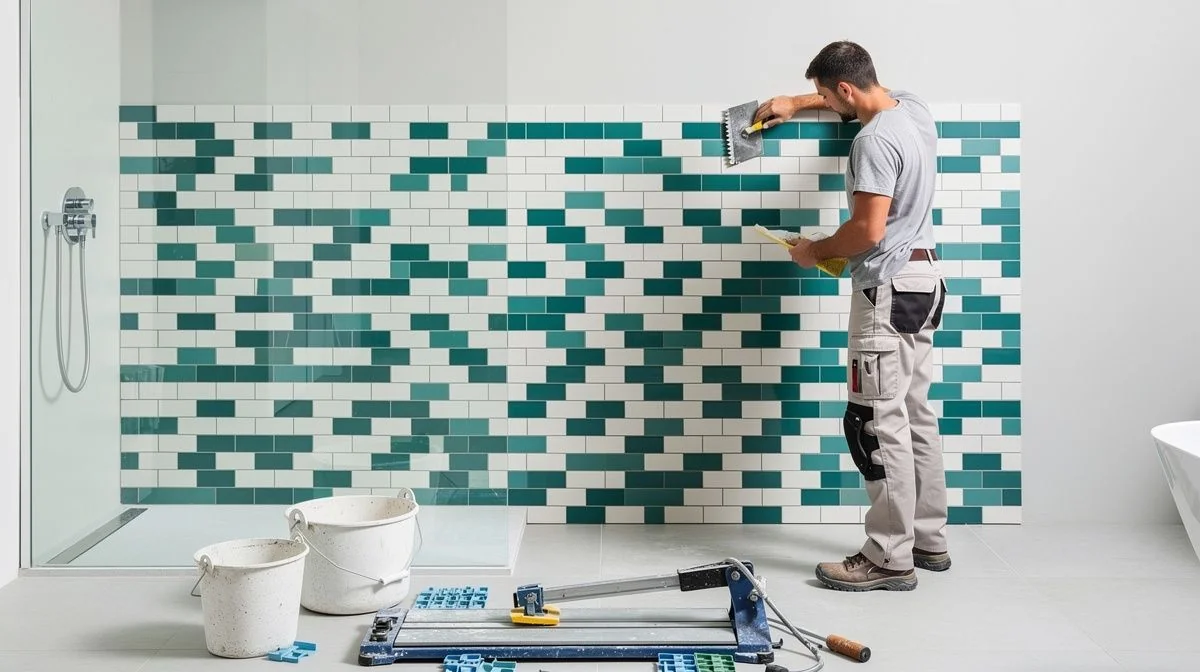
The job itself usually runs in stages: strip-out, plumbing and electrical rough-in, waterproofing, tiling, and fixtures and finishing. The council inspections — if consent is needed — slot in between, and the critical one is the pre-tile waterproofing inspection.
How long stages roughly take:
- Budget refresh: one to two weeks.
- Standard full renovation: three to four weeks.
- Custom or premium renovation: four to six weeks.
- Waterproofing and its drying time: a day or two, plus curing before tiling.
- Tiling a standard room: around a week.
- Council consent processing (where needed): a few weeks before work starts.
At the end, you should receive a Code Compliance Certificate if consent was required, plus the waterproofing documentation and any product warranties. Keep all of it — the compliance paperwork matters when you sell, and the warranties are only useful if you can prove who did the work and when. Do a final walk-through with the renovator and flag anything you are not happy with before sign-off.
Auckland-Specific Risks & Local Factors
Bathroom renovation in Auckland is not a single job — it varies with the home's age and the suburb. These are the factors a local renovator should recognise immediately.
Villas and bungalows
Auckland's inner suburbs — Ponsonby, Grey Lynn, Mt Eden, Herne Bay — hold a huge stock of villas and bungalows whose bathrooms were never designed for modern plumbing. Original bathrooms are often small, added as an afterthought, and served by ageing pipework patched for decades. A proper renovation here means lifting floorboards, opening walls, and often replacing pipework entirely.
Suspended timber floors
Those older homes sit on suspended timber floors rather than concrete slabs, and that changes how you waterproof. The floor needs to be assessed and often braced before a heavy tiled shower or bath is installed, and the wet areas must be tanked carefully so that moisture does not reach the framing. On a 1920s bungalow, getting this wrong means rot spreading silently for years.
Humidity and ventilation
Auckland's humidity makes a poorly ventilated bathroom a mould factory. The Building Code requires wet rooms to be ventilated, and in practice that means a properly externally vented extractor fan, not a recirculating one. In an old, cold villa, underfloor heating also helps dry the room out between showers. A renovator who skips ventilation is setting you up for ongoing problems.
Small and awkward spaces
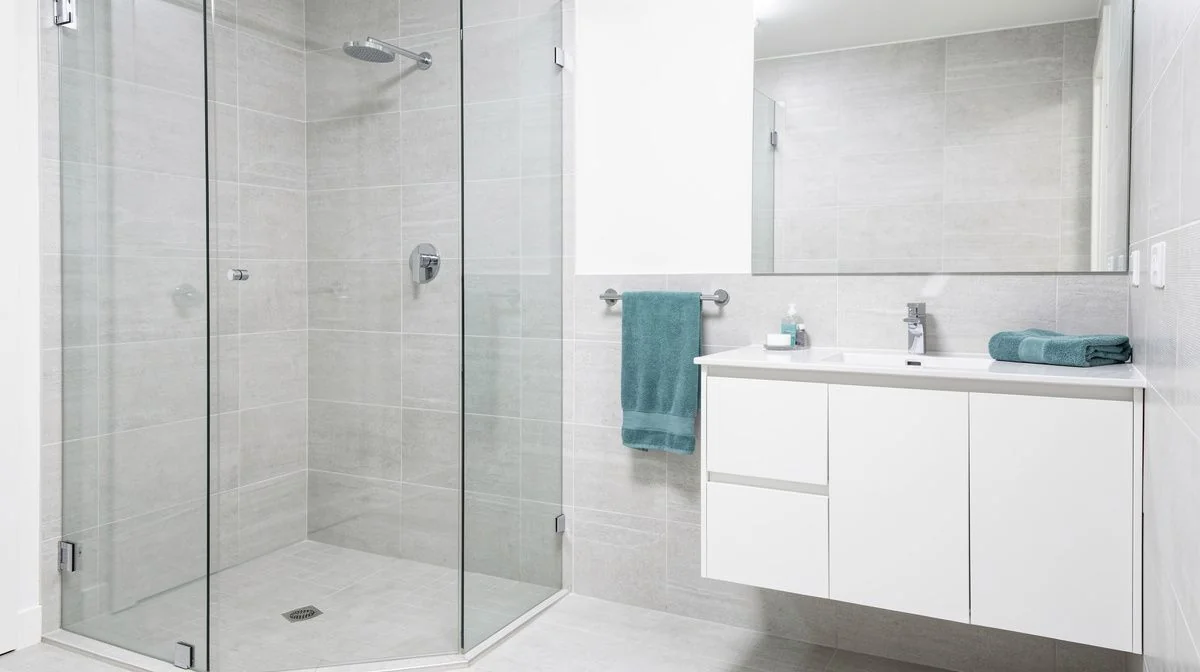
Many Auckland bathrooms — especially in older homes and apartments — are small and awkwardly shaped. The right renovator knows the tricks: wall-hung vanities, large-format tiles to reduce grout lines, and layouts that keep plumbing on existing walls to avoid costly re-piping. A renovator who tries to force a standard layout into a tight villa bathroom is the wrong one for the job.
Questions You Might Have
Do I need a building consent for my renovation?
It depends on the scope. A like-for-like refresh with no new or moved fixtures usually does not need consent. Adding a fixture, moving one, or installing a new tiled shower does. The safest move is to ask the renovator to confirm in writing, and if in doubt, check with Auckland Council before you start.
Why is waterproofing such a big deal?
A waterproofing failure is one of the most expensive issues a homeowner can face. The membrane sits behind the tiles, so a failure rots framing out of sight for years before you notice. The fix usually means ripping the whole room out and starting again. It is the one step where you never cut corners.
Can I keep the cost down by doing some work myself?
Some cosmetic work, yes — painting and some prep can be DIY. But plumbing, drainage, electrical and structural work legally need licensed trades, and waterproofing is best left to someone who does it every day. The money you save doing it yourself is often smaller than the cost of fixing a mistake.
How do I know the renovator did the waterproofing properly?
Ask for a photo record and producer statement for the membrane before the tiles go on, and confirm the system is certified to the wet-area standard. If consent is involved, the council's pre-tile inspection also checks the waterproofing. A renovator who offers all three without being asked is doing it right.
Will renovating my bathroom add value to my home?
Usually, yes — a well-done bathroom renovation is one of the more reliable ways to lift a home's value and saleability, especially in Auckland where buyers notice damp or dated bathrooms. But the value only holds if the work is compliant, because a missing consent or a dodgy waterproofing job becomes a liability at sale time.
What Matters Most
A bathroom renovation is a bet on the work you cannot see. The tiles, the vanity, and the tapware are what you see every day, but the waterproofing, the framing, and the pipework are what determine whether the room lasts five years or fifty.
In Auckland, that bet is higher-stakes than most places — between the humidity, the stock of older villas and bungalows, and the cost of getting it wrong.
Check the licences, insist on proper waterproofing with the paperwork to prove it, and pick a renovator who knows your kind of home. Do that, and you will be enjoying the room long after the bill is forgotten.

The ValueHub Team built this site because finding clear, unbiased financial information in New Zealand was harder than it should be. Every guide is based on real research — we compare the actual fees, terms, and fine print so you don't have to. Our tip: shop around every year, read the policy docs, and never assume loyalty gets you the best deal.— The ValueHub Team
More Bathroom Renovators in Auckland
These businesses also operate in this area.
We Offer Project Management Of Your Bathroom Renovation. Top Quality Product & Materials, Fast Service From Beginning To End Call today on 0800 77 00 33. We understand that renovating your home can be a stressful experience. That's why we're dedicated to making the process as easy and smooth as possible.
Auckland award-winning home renovation builders. Designer, Quantity Surveyor and Master Builder under one roof. Free consultation, 10-year guarantee. Design-led home renovations in Auckland — one team, one price.
Try our Calculators
Use these free tools to crunch the numbers:
KiwiSaver Fund Comparison
Compare fees, returns, and risk levels across every KiwiSaver fund — the most up to date data in New Zealand.
Currency Converter — USD to NZD
Convert US Dollars to New Zealand Dollars instantly. See the latest exchange rate and 30-day trend.
Mortgage Repayment Calculator
Calculate your weekly, fortnightly, or monthly mortgage repayments. Free NZ mortgage calculator — try different rates, terms, and repayment frequencies.
Compound Interest Calculator
See how your savings grow with compound interest over time. Free NZ compound interest calculator with yearly, monthly, and weekly compounding options.
Term Deposit Calculator
Calculate your term deposit returns before you lock in. Compare interest earned across different terms and rates with ValueHub's free calculator.
Savings Goal Calculator
Calculate how long it will take to reach your savings goal — and what monthly deposit you need to get there. Free NZ savings planner.
Bathroom Renovators in Other Cities
Latest Guides & Reviews
Kōura KiwiSaver Scheme Review
Kōura KiwiSaver review: 13 open funds, fund charges from 0.63 to 1.10 per cent, and net returns to 30 June 2026.
reviewMaritime KiwiSaver Scheme Review
Maritime KiwiSaver review: 3 open funds, fund charges from 0.61 to 0.76 per cent, and net returns to 31 March 2026.
reviewMAS KiwiSaver Scheme Review
MAS KiwiSaver review: 7 open funds, fund charges from 0.25 to 0.98 per cent, and net returns to 30 June 2026.
reviewArotahi KiwiSaver Scheme Review
Arotahi KiwiSaver review: 1 open fund, a 0.77 per cent fund charge, and net returns to 31 March 2026. What the Government register shows you pay and get back.