Best Fencing Contractors in Porirua
Published 11 September 2026 · Written by the ValueHub team · Reviewed by Steve Baron
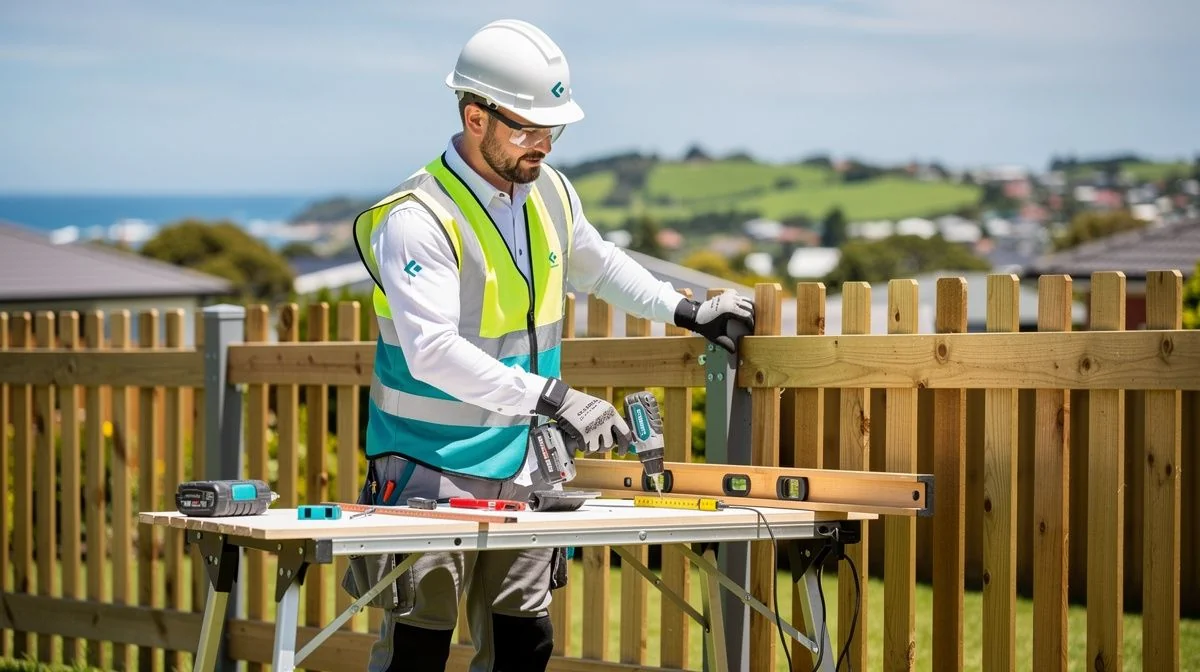
Fencing in Porirua: Hills, Harbour and a Shared Boundary
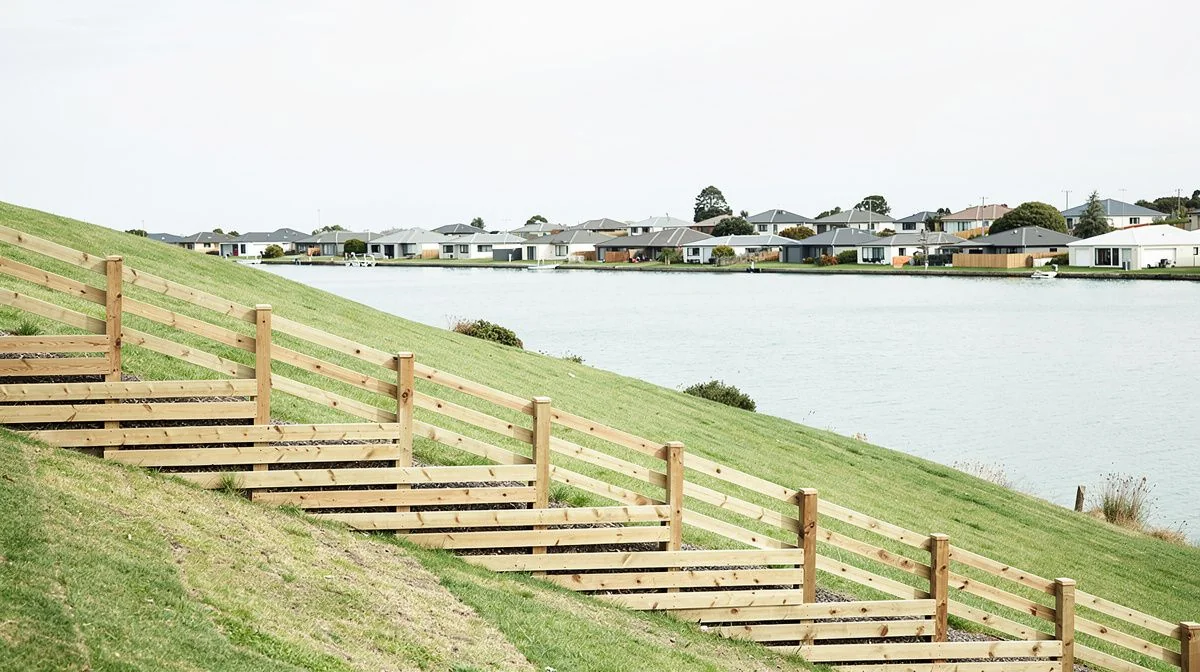
Large parts of Porirua are built on hills, and a boundary running downhill cannot be built level. The fence is stepped or raked; footings on the low side go deeper, and every panel is carried up the slope by hand. That groundwork is the main reason two fences of the same length can be priced very differently, and it is worth asking a contractor for the address of a recent job on a similar slope.
It is also a harbour city with an exposed coast, so wind and salt shape the specification. A fence acts as a sail, and post size, footing depth and spacing decide how long it stays upright. Near the water, salt shortens the life of cheap fixings and untreated timber, so galvanised or stainless hardware earns its keep. On a sloping driveway, check that a gate will clear the ground as it swings.
Boundary work in Porirua is often a conversation between two households whose budgets look nothing alike. A large share of homes are rentals, and the owner may live in another city, which slows down the discussion the Fencing Act assumes you will have. Ask the tenant or property manager for the owner's contact details, send written notice to the owner, and agree on the specifications before the price. Paling is the easiest option when budgets differ.
How We Researched This Guide
We started with the Fencing Act, which decides who pays for a boundary fence and what happens when adjoining owners disagree. We then worked through the fencing materials available in New Zealand and the price bands contractors publish for supply and installation.
Local context came from what shapes work here—the hill suburbs, the harbour, and improved road access across the region. Where the sources differ, the difference is left in rather than averaged away.
Our Trusted Fencing Contractors
We feature businesses that demonstrate strong performance, proven experience, and consistently positive customer feedback. Some of the providers listed may have commercial relationships with us, but all are selected based on quality and reliability.
To begin, reach out to them and speak with them directly — this helps you explain your job, ask questions, and confirm whether they're the right fit.
Bet big on DIY with Mitre 10 — New Zealand’s home of quality tools, smart home solutions, garden gear, and building essentials. From weekend projects to major renos, get trusted brands, sharp prices, and friendly expert advice. Make it happen with Mitre 10, your local Kiwi hardware powerhouse.
The 60-Second Version
Six points that decide most Porirua fencing jobs.
- A standard 1.8m treated-pine paling fence runs $150–$270 per lineal metre supplied and installed, and exposed hill sites sit at the top of that band.
- Colorsteel or corrugated is $180–$300 per metre, PVC is $200–$350, and aluminium slat is $250–$400.
- A full 50–80m paling boundary typically costs $10,000–$21,600. A single-sided boundary of 15–25m runs $3,000–$6,750.
- Removing the old fence is $25–$50 per metre. A pedestrian gate costs $400–$900 and a driveway gate $800–$1,500.
- The Fencing Act shares the cost of a sufficient boundary fence equally, but only a sufficient fence. Anything above that is a matter of agreement.
- In a city with this much hill and this much rental housing, agreeing the specification in writing matters as much as agreeing the price.
What Fencing Costs
The table covers the materials Porirua contractors most often quote. All prices include supply and installation, and none include removing the old fence.
| Fence type | Typical cost per lineal metre |
|---|---|
| Treated-pine paling, 1.8m | $150–$270 |
| Colorsteel or corrugated | $180–$300 |
| PVC or vinyl | $200–$350 |
| Aluminium slat | $250–$400 |
| Rural post-and-rail | $80–$120 |
| Glass pool fencing | $320–$800 |
Ranges from published New Zealand residential fencing pricing. Access, ground conditions and material choice all move the final figure.
Ground and access are where a Porirua quote diverges from the table. A hillside boundary may need a stepped or raked line, deeper footings on the low side and materials carried in by hand. On a steep section, groundwork can outweigh the difference between materials.
On a sloping driveway, check that a gate will clear the ground as it swings, and confirm that removal of the old fence is included in the figure.
The Common Fence Types and Where Each Fits
Treated-pine paling is the standard boundary fence across the city. It is the cheapest solid option, repairable in sections, and it handles a stepped line on a slope. Where a boundary is shared between two households on very different budgets, paling is also the easiest specification to agree on.
Colorsteel and corrugated steel at $180–$300 per metre cost more up front and need almost no maintenance, which suits exposed hill sites and sections facing the harbour. PVC at $200–$350 performs similarly and gives a tidier finish. Both will outlast untreated timber by a wide margin.
Aluminium slat at $250–$400 per metre is common on newer subdivisions and townhouse boundaries where you want privacy and a modern profile. Rural post-and-rail at $80–$120 per metre remains the cheapest build and the right choice on the rural edge, where the fence holds stock rather than screening a neighbour.
Pool fencing is governed separately. Compliance with NZS 8500 and a self-latching gate are both required, and glass panels cost $320–$800 per metre. Those requirements apply regardless of the fence material.
Local Factors That Change a Porirua Quote
Different Budgets on Either Side of the Fence
Two neighbours on the same boundary can be working to very different budgets, even though the rule between them is identical and agreeing the specification before the price is the practical way through that gap.
Hill Suburbs and Steep Sections
Large parts of the city are built on hills, and a boundary running downhill cannot be built level. The fence is stepped or raked, the low-side footings go deeper, and every panel is carried up the slope. It is the main reason two fences of the same length can differ sharply in price.
Wind, Harbour and Salt
Porirua is a harbour city with an exposed coast, and wind is the design question on plenty of sections. A fence acts as a sail, so post size, footing depth and spacing decide how long it stays upright. Near the water, salt also shortens the life of cheap fixings and untreated timber.
Rentals, Absentee Owners and Who Decides
A large share of homes here are rentals, and the owner may live in another city. That slows down the conversation the Fencing Act assumes you will have. Ask who the owner is, get the owner's contact details rather than the tenant's, and put the request in writing.
Choosing a Fencing Contractor in Porirua
Ask how the quote handles a sloping line and steep access, because those are the two things most likely to change the price once work begins. Get the post spacing, footing depth, and fixing type in writing, and on a hill section ask for the address of a recent job on a similar slope.
No licence is required to build fences, so there is no register to search. Local references carry the weight instead. Confirm the contractor holds public liability cover before work begins.
Warning Signs
- A quote that assumes a level line on a sloping section.
- No allowance for carrying materials where there is no vehicle access.
- Timber described only as treated, with no treatment level given.
- Cheap fixings on a salt-exposed or windy site.
- A start date offered before the neighbour has agreed their share.
Boundary Fences, Written Notice and Neighbours
Boundary fences sit under the Fencing Act. Where the fence is sufficient for the purpose, the adjoining owners normally share the cost equally. The Act does not require the most expensive fence available; it requires a fence adequate for what it does.
Written notice gives the process its shape. Give your neighbour a written description of the proposed fence and the share you are asking them to contribute, including the height, the material and the design. Keep a copy, note how you delivered it, and allow the period the Act provides for a response.
Where the neighbour is a landlord living elsewhere, the notice still needs to go to the owner. If a neighbour genuinely cannot meet half the cost of a better fence, the practical route is to agree on a specification both can fund and record who is paying for what.
Pegs and Services Before Anyone Picks Up a Shovel
The boundary is where the survey pegs say it is, which is not always where the old fence stands. In hillside suburbs with established gardens, pegs are often covered or missing. Confirm the line before work starts, especially if you want to build close to it or add a retaining structure later.
Services come next. Power, gas, water, telecommunications and fibre can run along or across a boundary, and post holes are deep. Ask the contractor to confirm service locations before the first hole is dug, and be on site when the fence line is set out so you can see where it lands.
Questions You Might Have
What if my neighbour cannot afford half?
The Act assumes an equal share of a sufficient fence, not of any fence you would like. The workable answer is usually to agree a simpler specification both households can fund, and to record that agreement in writing. If you want to build above that level, expect to carry the difference yourself.
Who do I deal with when next door is rented?
The owner. The tenant is not responsible for boundary costs, even though the tenant lives there. Ask the tenant or the property manager for the owner's contact details, and send the written notice to the owner at the address you are given.
Does better road access mean cheaper fencing?
Improved road access across the region makes it easier for contractors to reach Porirua from a wider area, which increases price. competition
Can I pay for the whole fence myself?
You can, and it is sometimes the fastest route when a neighbour will not engage. Understand what you give up: the Act provides a process for recovering a share, and starting without notice weakens that claim.
What Matters Most in Porirua
The cost of a fence here depends less on the city average than on the slope in front of you and the household next door. Sort out the specification with your neighbour first, then price it.
Our national fencing contractors guide explains the materials and boundary rules in more detail. Bring one written specification to three local firms, and make sure each quote says what it assumes about the ground.

The ValueHub Team built this site because finding clear, unbiased financial information in New Zealand was harder than it should be. Every guide is based on real research — we compare the actual fees, terms, and fine print so you don't have to. Our tip: shop around every year, read the policy docs, and never assume loyalty gets you the best deal.— The ValueHub Team
Try our Calculators
Use these free tools to crunch the numbers:
KiwiSaver Fund Comparison
Compare fees, returns, and risk levels across every KiwiSaver fund — the most up to date data in New Zealand.
Currency Converter — USD to NZD
Convert US Dollars to New Zealand Dollars instantly. See the latest exchange rate and 30-day trend.
Mortgage Repayment Calculator
Calculate your weekly, fortnightly, or monthly mortgage repayments. Free NZ mortgage calculator — try different rates, terms, and repayment frequencies.
Compound Interest Calculator
See how your savings grow with compound interest over time. Free NZ compound interest calculator with yearly, monthly, and weekly compounding options.
Term Deposit Calculator
Calculate your term deposit returns before you lock in. Compare interest earned across different terms and rates with ValueHub's free calculator.
Savings Goal Calculator
Calculate how long it will take to reach your savings goal — and what monthly deposit you need to get there. Free NZ savings planner.
Fencing Contractors in Other Cities
Latest Guides & Reviews
Kōura KiwiSaver Scheme Review
Kōura KiwiSaver review: 13 open funds, fund charges from 0.63 to 1.10 per cent, and net returns to 30 June 2026.
reviewMaritime KiwiSaver Scheme Review
Maritime KiwiSaver review: 3 open funds, fund charges from 0.61 to 0.76 per cent, and net returns to 31 March 2026.
reviewMAS KiwiSaver Scheme Review
MAS KiwiSaver review: 7 open funds, fund charges from 0.25 to 0.98 per cent, and net returns to 30 June 2026.
reviewArotahi KiwiSaver Scheme Review
Arotahi KiwiSaver review: 1 open fund, a 0.77 per cent fund charge, and net returns to 31 March 2026. What the Government register shows you pay and get back.