Best Gas Fitters in Auckland
Published 11 September 2026 · Written by the ValueHub team · Reviewed by Steve Baron
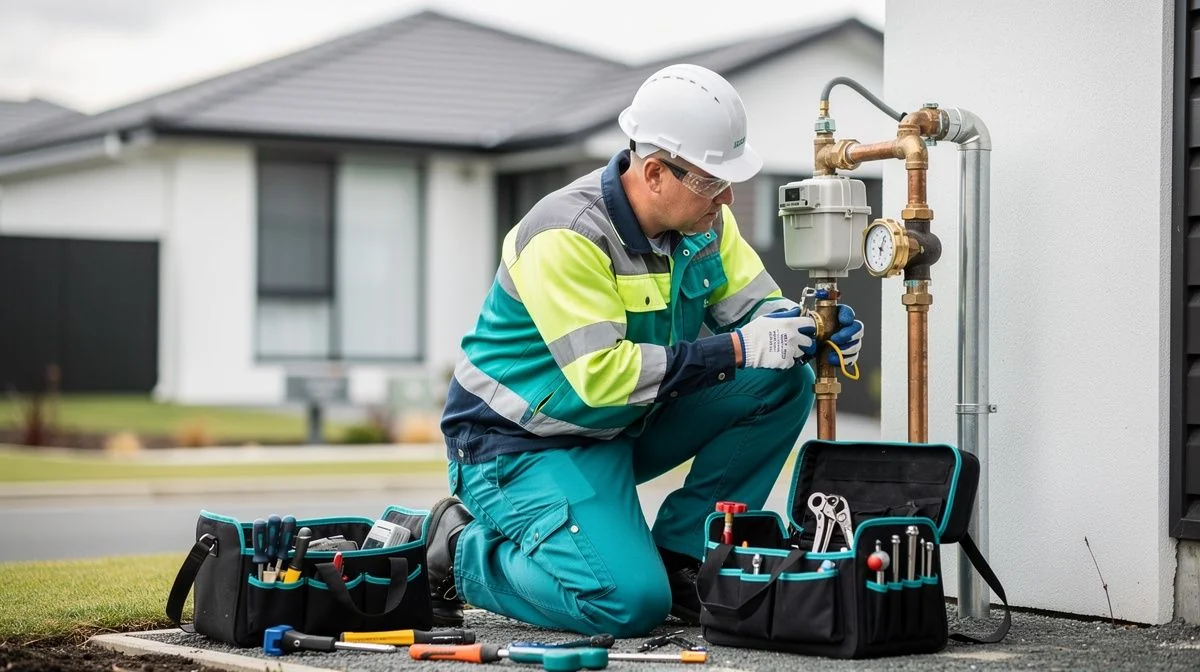
Why Gasfitting in Auckland Is Different
Auckland's housing stock is the first thing a gasfitter notices. The city holds a deep reserve of older villas, bungalows and mid-century plaster homes, many fitted out decades ago and still running the original pipework. Appliances and connections in those homes are often near the end of their working life, so repairs, replacements and upgrades make up a large share of local work.
The city also carries the country's heaviest cost base. Labour, premises and travel all cost more here, and gasfitting is no exception. Trades in Auckland typically run 15–20 per cent above national rates. A quote that looks unusually cheap for the work described is worth questioning, not celebrating.
Auckland's climate adds another layer. Humid summers, strong ultraviolet light and salt spray attack flues, regulators and pipe fittings, especially within a few kilometres of the harbours and the west coast beaches. Outdoor gas fittings here deteriorate faster than the same equipment inland.
How We Researched This Guide
We began with the regulatory framework, because gasfitting is one of the few building trades where the law decides who is even permitted to touch the work. That meant working through the licensing classes set by the Plumbers, Gasfitters and Drainlayers Board, the difference between a gasfitter and a certifying gasfitter, and what certification actually does for a homeowner.
We then looked at what changes the work in Auckland specifically: house values, weather, the age of the housing stock, and the split between reticulated gas and bottled LPG. Every figure here comes from a published source, and where a cost depends on the individual job, we say so rather than inventing a number.
Our Trusted Gas Fitters
We feature businesses that demonstrate strong performance, proven experience, and consistently positive customer feedback. Some of the providers listed may have commercial relationships with us, but all are selected based on quality and reliability.
To begin, reach out to them and speak with them directly — this helps you explain your job, ask questions, and confirm whether they're the right fit.
JG Plumbing is your certified, Auckland-wide plumber and gas fitter. With 30+ years’ experience, we deliver quality workmanship, 24/7 service, and a 100% satisfaction guarantee. J G Plumbing, your trusted and reliable plumber and gasfitter. Professional Service & Quality Workmanship Guaranteed.
The 60-Second Version
If you read only one section, read this.
- Gasfitting is a restricted occupation. Only a registered gasfitter holding a current annual practising licence may carry out or assist with gasfitting work.
- Certification protects your insurance cover and passes to the next owner when you sell. Ask for the documentation.
- A certifying gasfitter is the highest class in the trade and can certify completed work.
- You can check any licence in seconds on the Board's public register before letting anyone start.
- Auckland's older housing and coastal climate make ageing appliances and corroded fittings common.
- Never attempt gasfitting yourself, and never let an unlicensed handyman take a look.
What Gasfitting Costs, and Why Quotes Vary
Gasfitting is priced per job rather than per hour in most cases, because two homes with the same appliance can need very different pipework, flue routes and certification. Replacing a unit in the same position is quick. Moving a hob to a new bench, running a line through a finished wall, or increasing supply capacity for a larger cylinder is not.
Auckland's premium over national rates applies to the labour component, so the spread between the cheapest and dearest quote for identical work is often wide. Ask for at least two written quotes that itemise parts, labour and certification separately, and make sure each one describes the same scope.
| Board fee or levy | Amount |
|---|---|
| Registration | $350 |
| Annual practising licence | $100 |
| Disciplinary and prosecution levy | $275 |
| Gasfitter examination (9193) | $330 |
| Certifying examination (9196) | $410 |
Published fees from the Plumbers, Gasfitters and Drainlayers Board. These are costs the trade carries, not the price of your job.
Those figures are what a gasfitter pays before earning anything on your job: registration, a current practising licence, and a levy that funds the disciplinary system. It explains part of why licensed work costs what it does, and why the lowest quote in the letterbox is worth a second look.
Checking a Licence in Two Minutes
The Board keeps a public register that anyone can search—no account to create and no permission needed from the gasfitter. Search by name or licence number, then confirm the practising licence is current rather than simply noting that the person once registered.
- Ask for the licence number and look it up yourself.
- Check that the practising licence is current for this year.
- Confirm whether the gasfitter is a tradesperson or a certifying gasfitter.
- Ask who will certify the finished work, and note the name.
- Keep the certification with your property records.
Auckland Factors That Change the Job
Old Villas and Bungalows
Many Auckland homes were built long before modern appliance standards. Original pipework may be undersized for a modern continuous-flow water heater, and an old flue may not suit the replacement unit. A gasfitter should inspect the existing installation in person rather than quote from a photograph.
Salt Spray and Coastal Corrosion
Within a few kilometres of the coast, salt speeds up corrosion on regulators, outdoor fittings and flue terminals. Homes near west-coast beaches and around the harbours see it sooner. Outdoor fittings here deserve more frequent inspection than an inland maintenance schedule would suggest.
Reticulated Gas Versus Bottled LPG
Central Auckland and many established suburbs are served by reticulated natural gas, which arrives by pipe and needs no bottles. Homes on the fringe, on lifestyle blocks and in newer subdivisions beyond the network rely on LPG bottles instead. The two need different fittings, compliance, and habits, so tell the gasfitter which supply you have.
The Shift Away From Gas in New Builds
Some newer Auckland subdivisions are being built without gas connections, as developers respond to buyer preference and to the direction of building rules. That matters when renovating in one of those areas. Extending a supply the network was never designed to serve can be costly, and the better answer may be electric.
When You Need a Certifying Gasfitter
A registered gasfitter can do most routine work, but certification is a step above. A certifying gasfitter has passed the higher examination and held an active gasfitter practising licence for at least 24 months, and is the person authorised to certify gasfitting work.
Certification is not a formality. It records that the installation was done safely and lawfully, and it is what an insurer will ask for after a leak or a fire. It also transfers to the next owner, who may request it during a sale. If nobody offers to certify the work, that alone should end the conversation.
A certifying gasfitter also has a supervisory role. Anyone working under an exemption must be supervised by a certifying gasfitter, which is how apprentices and holders of limited licences stay within the rules.
How to Choose a Gasfitter in Auckland
Start with the register, then ask three questions. What is your licence number? Who certifies the finished work? What does the quote include? A licensed gasfitter will answer all three without hesitation, and the answers should match the paperwork.
Warning Signs
- No licence number, or a number that does not check out on the register.
- A firm quote given without inspecting the existing installation.
- Reluctance to provide certification documents.
- Cash-only offers with no paperwork. Certification is the product, not an optional extra.
- Anyone offering to work under another person's licence.
Questions You Might Have
Can I connect my own gas barbecue or heater?
No. Connecting an appliance to a gas supply is gasfitting work, and gasfitting is a restricted occupation. A bayonet fitting that looks like a simple push-on still forms part of a supply that must be installed and certified correctly.
Is bottled LPG more dangerous than natural gas?
Neither is safe to handle without a license. LPG is heavier than air and pools at floor level, while natural gas is lighter and rises. Those differences change how a leak behaves, which is why a licensed gasfitter must install and ventilate the system.
How often should gas appliances be serviced?
The manufacturer's instructions set the interval, and it varies by appliance. In coastal homes, or where an appliance runs heavily through winter, an annual check of flues, ventilation and connections is sensible. Don't skip servicing just because the appliance still lights.
What should I do if I smell gas?
Turn off the supply if you can reach it safely, open doors and windows, avoid switches and naked flames, and call your gas supplier or the emergency services. Don't hunt for the leak yourself, and don't relight anything until a licensed gasfitter has checked the installation.
What Matters Most
The decision that protects you most is choosing a registered, currently licensed gasfitter and insisting on certification. Everything else, from the quote to the appliance brand to how quickly the job can be squeezed in, is secondary to that.
Auckland's mix of old housing, coastal weather an, and high labour costs makes it a market where very cheap work is often unlicensed. Check the register, ask for the certification, and keep the paperwork. To compare providers across the region, start with our Gas Fitters hub.

The ValueHub Team built this site because finding clear, unbiased financial information in New Zealand was harder than it should be. Every guide is based on real research — we compare the actual fees, terms, and fine print so you don't have to. Our tip: shop around every year, read the policy docs, and never assume loyalty gets you the best deal.— The ValueHub Team
More Gas Fitters in Auckland
These businesses also operate in this area.
Need a plumber on the North Shore? Extreme Plumbing Company offers professional plumbing services in North Shore and surrounding areas. Contact Now. Extreme is a registered plumbing company, dedicated to providing top-notch services with a focus on friendly and reliable service. We specialise in hot water cylinder inst
Auckland Plumbers and Gas Fitters Our team are experienced NZ Certified Plumbers and Gas Fitters with the tools, knowledge and experience to work with you from maintenance to new builds and light commercial fit outs OUR SERVICES.
Try our Calculators
Use these free tools to crunch the numbers:

KiwiSaver Fund Comparison
Compare fees, returns, and risk levels across every KiwiSaver fund — the most up to date data in New Zealand.

Currency Converter — USD to NZD
Convert US Dollars to New Zealand Dollars instantly. See the latest exchange rate and 30-day trend.

Mortgage Repayment Calculator
Calculate your weekly, fortnightly, or monthly mortgage repayments. Free NZ mortgage calculator — try different rates, terms, and repayment frequencies.

Compound Interest Calculator
See how your savings grow with compound interest over time. Free NZ compound interest calculator with yearly, monthly, and weekly compounding options.

Term Deposit Calculator
Calculate your term deposit returns before you lock in. Compare interest earned across different terms and rates with ValueHub's free calculator.

Savings Goal Calculator
Calculate how long it will take to reach your savings goal — and what monthly deposit you need to get there. Free NZ savings planner.
Gas Fitters in Other Cities
Latest Guides & Reviews
PAYE in New Zealand — How Tax Comes Out of Your Pay
PAYE in New Zealand explained: the income tax brackets, the ACC levy, KiwiSaver and student loan deductions, and what actually lands in your pay.

Income Tax Brackets and Rates in New Zealand
The New Zealand income tax brackets explained, with worked examples showing marginal and effective rates at common salary levels.

GST in New Zealand — The Complete Guide
How GST works in New Zealand: the 15 per cent rate, the $60,000 registration threshold, what is exempt, filing dates and what you can claim back.

Student Loans in New Zealand — Repayments, Thresholds and Interest
How student loan repayment works once you are earning: the pay-period thresholds, why a second job repays from the first dollar, and the frozen threshold.