Best Gas Fitters in Christchurch
Published 11 September 2026 · Written by the ValueHub team · Reviewed by Steve Baron
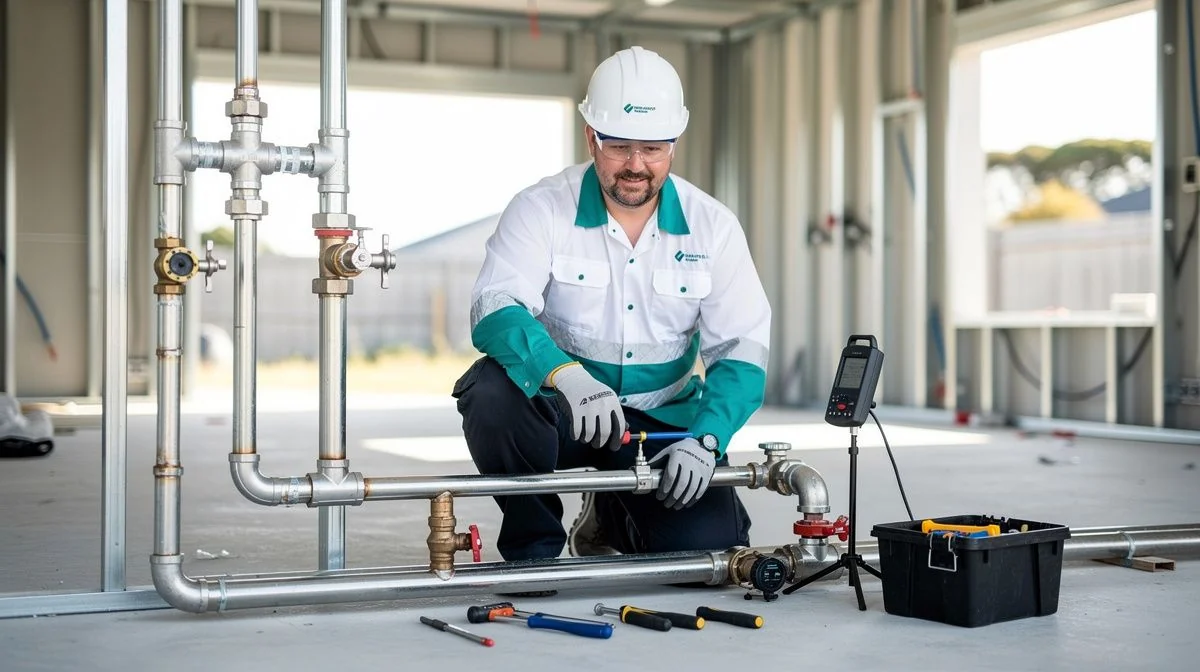
Gasfitting in a City That Runs on Bottles
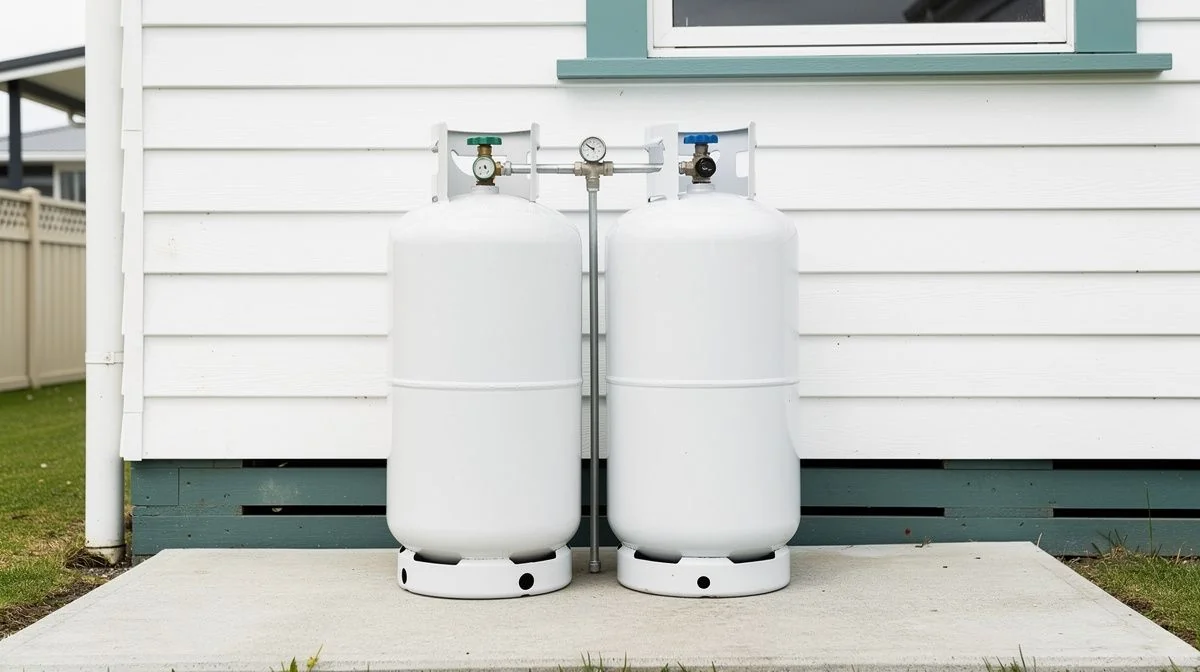
Christchurch is unusual among the main centres in that reticulated natural gas reaches far fewer homes. Most households that cook or heat with gas rely on LPG bottles instead, usually a pair with an automatic changeover so the supply continues when one runs out. That single fact reshapes the trade, because the gasfitter's job often starts outdoors at the bottle station before they touch anything inside the house.
Bottled supply means more callouts for connections, regulators and changeover valves, and more attention to where cylinders sit and how they are ventilated. The rebuild left the city with a mix of new homes, repaired homes and homes with replacement cladding, joinery and services. Where pipework and flues were reinstated or altered, it is worth having the installation checked rather than assuming it was left compliant.
Canterbury also has an unusually large self-employed trades population, which is good for choice but means the range of standards is wide. Add the agricultural work around the city's edges, where farms and lifestyle blocks often run on bottle supply for outbuildings, and you have a trade doing very different jobs within a short drive. Checking the Board's register is how you separate a licensed gasfitter from someone who simply owns tools.
What This Guide Covers
Gasfitting is a restricted occupation, and that is where any useful guide has to start. We looked at who may legally do the work, who may certify it, and what the annual practising licence requires under the Plumbers, Gasfitters and Drainlayers Board.
We then examined what is specific to Canterbury: the dominance of bottled LPG, the post-rebuild housing mix, a self-employed trades culture, and the rural and agricultural work at the city's edges. Figures come from published sources only. Where costs vary by job, we explain the variables.
Our Trusted Gas Fitters
We feature businesses that demonstrate strong performance, proven experience, and consistently positive customer feedback. Some of the providers listed may have commercial relationships with us, but all are selected based on quality and reliability.
To begin, reach out to them and speak with them directly — this helps you explain your job, ask questions, and confirm whether they're the right fit.
Flush & Flow - Plumbing & Gas is your local certified plumber and gasfitter, we can look after all your plumbing and gasfitting requirements and issues Workmanship Guaranteed. FLUSH & FLOW - PLUMBING & GAS Professional Plumbing & Gasfitting Services Are Our Top Priority! Flush & Flow - Plumbing & Gas offers free compr
In Brief
- Only a registered gasfitter with a current annual practising licence may carry out or assist with gasfitting work.
- A certifying gasfitter is the highest class of the trade and can certify completed work.
- Certification protects insurance cover and transfers to the next owner on sale.
- Check any licence on the Board's public register in seconds.
- Most Christchurch homes use bottled LPG rather than reticulated gas, so bottle connections and changeover valves matter here.
- Never let an unlicensed person work on a gas supply, no matter how small the job looks.
What Drives the Price of a Gasfitting Job
The main variables are the same anywhere: how much pipework is needed, how difficult the route is, whether a flue must be run through an existing structure, and whether the supply has to be increased. In Christchurch, bottle installations add their own considerations — cylinder position, ventilation and restraint.
The trade's own costs are fixed. Registration is $350, the annual practising licence $100, and the disciplinary and prosecution levy $275. The gasfitter examination (9193) costs $330, and the certifying examination (9196) costs $410. You pay those whether or not the gasfitter wins your job.
Ask for a written quote that separates parts, labour and certification. In a city with as many self-employed tradespeople as Christchurch, comparison shopping is easy, but make sure you are comparing the same scope.
Check the Register Before You Book
The Board's register is public and searchable. Anyone can confirm whether a gasfitter is registered and whether the annual practising licence is current. It takes a moment, and it is the single most useful protection available to you.
- Ask for the licence number and verify it yourself.
- Check that the practising licence is current this year.
- Find out whether the gasfitter is a tradesperson or a certifying gasfitter.
- Confirm who will certify the finished work.
- Keep the certification with your property records.
Canterbury Factors That Change the Job
Bottled LPG as the Default
With limited reticulation, LPG is the practical choice for most gas appliances here. Bottle size, siting, ventilation, and the changeover arrangement all affect safety and cost, so a gasfitter should consider the full setup rather than just the appliance.
Rebuilt and Repaired Homes
The rebuild left the city with a mix of new homes, repaired homes and homes with replacement cladding, joinery and services. Where pipework and flues were reinstated or altered, it is worth having the installation checked rather than assuming it was left compliant.
A Deep Bench of Self-Employed Trades
Canterbury has an unusually large self-employed trades population. That is good for choice, but it also means the range of standards is wide. The register separates a licensed gasfitter from someone who owns tools.
Rural and Agricultural Demand
The agricultural support sector around the city generates steady gasfitting work on farms and lifestyle blocks, from water heating to bottle supply for outbuildings. Rural jobs often involve longer travel and different compliance requirements.
Why Certification Matters Here
Certification proves the work was done lawfully and safely. An insurer will ask for it after an incident, and a buyer's inspector may ask for it during a sale. In a market with many small operators, it is also the simplest way to tell a professional job from an informal one.
A certifying gasfitter can certify gasfitting work, having passed examination 9196 and held an active practising licence for 24 months. A certifying gasfitter must also supervise anyone working under an exemption, such as an apprentice.
Choosing a Gasfitter in Christchurch
Ask what proportion of their work is bottled LPG rather than reticulated gas, because the two require different practices. Ask how they handle the bottle station, and whether every quote includes ventilation and restraint. Then ask for the certification up front.
Warning Signs
- No licence number, or one that does not check out.
- A quote given without inspecting the bottle setup or the appliance.
- Any hesitation about certification documents.
- Cash-only work with no record.
- Trading on a lapsed registration.
Questions People Ask
How often should LPG bottles be checked?
Connections, hoses, and the changeover valve should be inspected regularly, and any smell of gas should be treated as urgent. A licensed gasfitter can check the whole installation, not just the bottle.
Can I swap the bottles myself?
Changing a bottle as designed is a normal household task, but anything involving the regulator, hose or connections is gasfitting work and must be done by a licensed gasfitter.
Do I still need certification if no pipework changed?
Ask. Where work is done on a gas installation, certification is what proves it was done lawfully. If a gasfitter can't explain what they'll do, don't use them.
What to Ask Before You Book
Ask what licence number the gasfitter holds, then check it on the Board's register yourself. Ask whether the person quoting is the person doing the work, and if not, who will be on site. Ask what certification you will receive and when it will arrive.
For a bottled LPG property, also ask how they will test the installation for leaks and whether the quote includes the changeover valve and hoses. A thorough gasfitter will want to see the whole setup, not just the appliance you called about.
Finally, ask what happens if the pipework doesn't meet current requirements. In an older Canterbury home, that is a real possibility, and a gasfitter who's thought about it in advance is easier to deal with than one who hasn't
The Point of All This
Christchurch's dependence on bottled LPG makes the trade's outdoor work more important than in cities running on mains gas. It also makes the distinction between a licensed gasfitter and a helpful neighbour more consequential. Use the register, insist on certification, and keep the paperwork.
For help comparing providers across Canterbury, start with our Gas Fitters hub.

The ValueHub Team built this site because finding clear, unbiased financial information in New Zealand was harder than it should be. Every guide is based on real research — we compare the actual fees, terms, and fine print so you don't have to. Our tip: shop around every year, read the policy docs, and never assume loyalty gets you the best deal.— The ValueHub Team
More Gas Fitters in Christchurch
These businesses also operate in this area.
Looking for reliable plumbing & gas fitting services in Christchurch? Contact Endeavour Plumbing & Gas for expert repairs, installations & maintenance. Your trusted Christchurch Plumber and Gas Fitter, providing quality services Canterbury-wide. With regular travel to: Akaroa, Castle Hill, Waiau, Hanmer, and Cheviot. W
Our expert team provides 24/7 plumbing, drain laying & gas fitting solutions throughout the wider Canterbury area. Contact Aotea Plumbing & Drainage today. Macgregor's Plumbing is now Aotea Plumbing & Drainage.
Try our Calculators
Use these free tools to crunch the numbers:

KiwiSaver Fund Comparison
Compare fees, returns, and risk levels across every KiwiSaver fund — the most up to date data in New Zealand.

Currency Converter — USD to NZD
Convert US Dollars to New Zealand Dollars instantly. See the latest exchange rate and 30-day trend.

Mortgage Repayment Calculator
Calculate your weekly, fortnightly, or monthly mortgage repayments. Free NZ mortgage calculator — try different rates, terms, and repayment frequencies.

Compound Interest Calculator
See how your savings grow with compound interest over time. Free NZ compound interest calculator with yearly, monthly, and weekly compounding options.

Term Deposit Calculator
Calculate your term deposit returns before you lock in. Compare interest earned across different terms and rates with ValueHub's free calculator.

Savings Goal Calculator
Calculate how long it will take to reach your savings goal — and what monthly deposit you need to get there. Free NZ savings planner.
Gas Fitters in Other Cities
Latest Guides & Reviews
PAYE in New Zealand — How Tax Comes Out of Your Pay
PAYE in New Zealand explained: the income tax brackets, the ACC levy, KiwiSaver and student loan deductions, and what actually lands in your pay.

Income Tax Brackets and Rates in New Zealand
The New Zealand income tax brackets explained, with worked examples showing marginal and effective rates at common salary levels.

GST in New Zealand — The Complete Guide
How GST works in New Zealand: the 15 per cent rate, the $60,000 registration threshold, what is exempt, filing dates and what you can claim back.

Student Loans in New Zealand — Repayments, Thresholds and Interest
How student loan repayment works once you are earning: the pay-period thresholds, why a second job repays from the first dollar, and the frozen threshold.