Best Gas Fitters in Palmerston North
Published 11 September 2026 · Written by the ValueHub team · Reviewed by Steve Baron
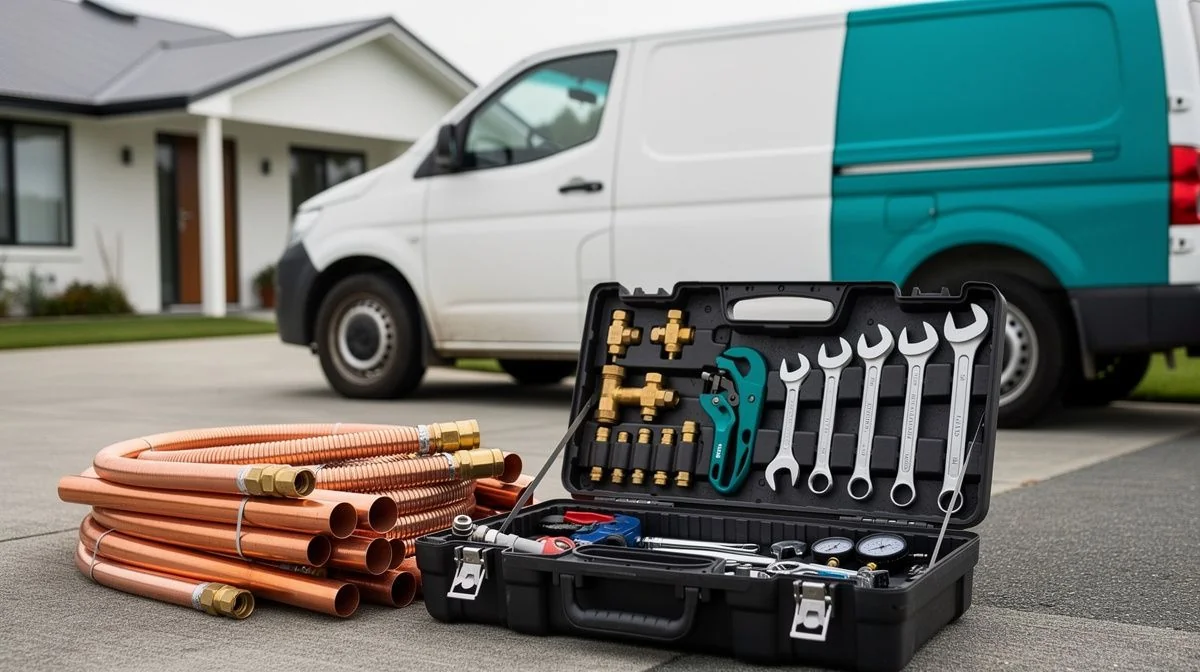
Gasfitting on the Manawatū Plains
Palmerston North sits on flat ground in a windy, cold inland climate, and its winters put gas heating and water heating under sustained load. Marginal installations tend to fail when demand peaks, which is why servicing before winter is worth the effort rather than a task to postpone. A dead water heater in the middle of winter is a worse problem than an appointment in autumn.
The city's housing is a mix of older, modestly sized homes and newer stock, and the difference matters when quoting gasfitting. In an older house, pipework was sized for simpler appliances and lower demand, so a new continuous-flow unit may need a supply or flue review before it can be fitted. Around the campus, where the rental market is large, appliances are sometimes maintained only when they stop working. A gasfitter should inspect the installation rather than quote from a description.
The city also serves a rural hinterland. Manawatū farming, food processing and logistics support much of the local economy, and properties on the plains and surrounding blocks often run on LPG bottles rather than a reticulated supply, which changes both the installation and the maintenance routine. Processing sites generate commercial work that is certified the same way a home installation is.
How We Researched This Guide
We started with the regulatory framework. Gasfitting is a restricted occupation, and the Plumbers, Gasfitters and Drainlayers Board sets the licensing classes, the annual practising licence requirement and the certification pathway.
We then looked at Palmerston North specifically: a steady rather than booming property market, colder winters, a university rental market, and a rural services economy that reaches beyond the city. Every figure comes from a published source, and where a cost varies we describe the variables rather than inventing a number.
Our Trusted Gas Fitters
We feature businesses that demonstrate strong performance, proven experience, and consistently positive customer feedback. Some of the providers listed may have commercial relationships with us, but all are selected based on quality and reliability.
To begin, reach out to them and speak with them directly — this helps you explain your job, ask questions, and confirm whether they're the right fit.
Choose a company with a well-grounded reputation. Dwyertech Services was established in 1998 predominantly as Plumbing & Drainage company. Over the years Dwyertech has developed to include a Civil / Building division now employing over 30 staff across the trades it provides.
The Short Version
- Only a registered gasfitter with a current annual practising licence may carry out or assist with gasfitting work.
- A certifying gasfitter is the highest class and the one who can certify completed work.
- Certification protects your insurance and passes to the next owner when you sell.
- Check the Board's public register before work begins.
- Lower property values make cheap work tempting, and that is exactly when unlicensed operators appear.
- Never attempt gasfitting yourself.
What a Job Costs, and Why
Gasfitting is quoted per job. The appliance matters less than the work around it: pipe runs, flue positions, ventilation and any change to the supply. In older Manawatū homes, the existing pipework often decides how much is involved.
Every gasfitter carries fixed costs regardless of the job. Registration is $350, the annual practising licence $100, and the disciplinary and prosecution levy $275. The gasfitter examination (9193) costs $330, and the certifying examination (9196) costs $410.
A licensed gasfitter would rather explain those numbers than hide them, because they show why a licensed quote is structured the way it is. If a competing figure is far lower, ask what is missing — usually the licence and the certification.
Confirming a Licence
The Board's public register is available to anyone and takes a moment to search. Confirm the registration is current and the annual practising licence has been renewed for the year.
- Ask for the licence number in writing.
- Verify the practising licence is current.
- Ask whether the gasfitter is a tradesperson or a certifying gasfitter.
- Note who will certify the finished work.
- File the certification with your house documents.
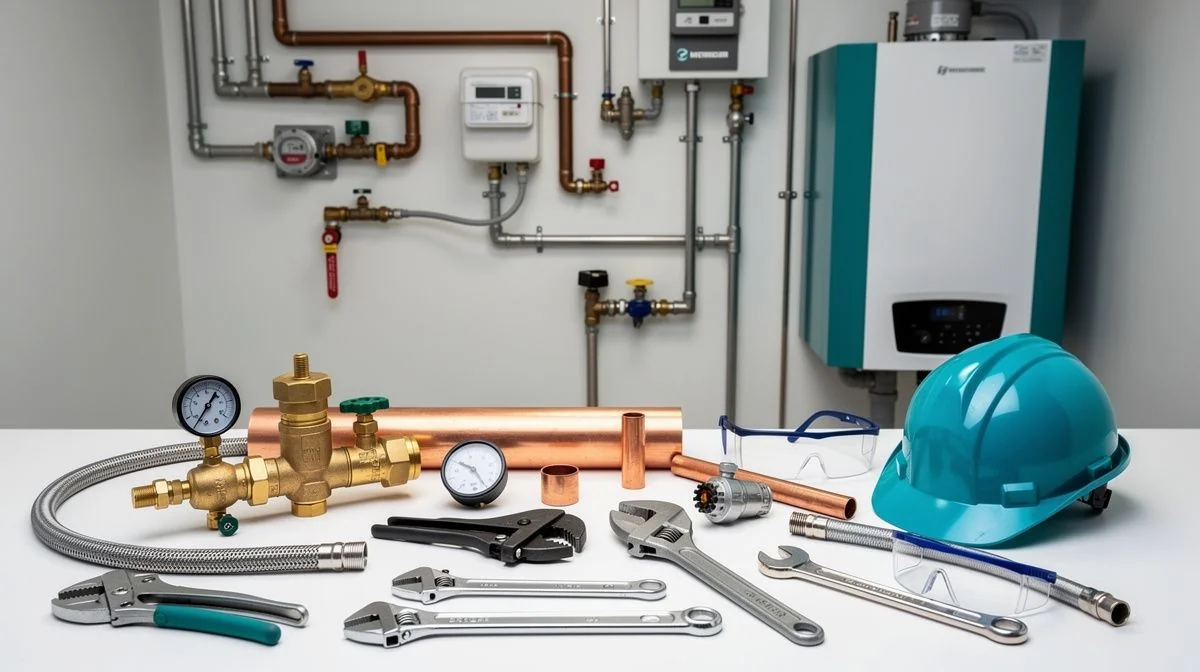
Palmerston North Factors That Change the Work
Cold Inland Winters
Manawatū winters are cold and windy, and gas heating and water heating work hard through them. Marginal installations tend to fail when demand peaks, so servicing before winter is worth the effort.
A Steady Rather Than Booming Market
Values here have drifted slightly rather than surged or collapsed, and households tend to be careful with spending. That makes it even more important to insist on a licensed gasfitter and certification.
A University Rental Market
With a university in the city, the rental sector is substantial. Gas appliances in rentals need maintenance, and tenants should promptly report any smell, soot, or poor flame to the landlord.
Rural Services and Food Processing
Farming, food processing and logistics support much of the local economy. Rural properties frequently use LPG bottles, and processing sites generate commercial gasfitting work that must be certified in the same way as a home installation.
Certification and Your Protection
Certification is the document that proves the installation was done safely and lawfully. Insurers ask for it after an incident, and a buyer may ask for it during a sale. It also proves the work was done by someone entitled to do it.
Only a certifying gasfitter can certify gasfitting work, which requires passing examination 9196 and holding an active practising licence for 24 months. A certifying gasfitter must also supervise anyone working under an exemption.
Choosing a Gasfitter in Palmerston North
Ask what share of their work is rural, because bottle supply and travel change the job. Ask what happens if existing pipework proves unsuitable once work starts. Then ask for the certification in writing and keep it.
Warning Signs
- No licence number, or one that does not check out.
- A quote given without seeing the appliance or pipework.
- Reluctance to provide certification documents.
- Cash-only offers with no paperwork.
- Anyone unable to say who will certify the work.
Questions People Ask
Is it worth repairing an old gas appliance?
It depends on the appliance, its condition and the cost of a replacement. A licensed gasfitter can tell you whether a repair is safe and sensible, not just possible.
Can I run a gas heater on bottled LPG in town?
Many households do, and LPG has specific installation and ventilation requirements. That is work for a licensed gasfitter, not a self-install.
What should a landlord provide to a tenant?
A safe, compliant installation and the certification to prove it. Tenants can ask for that documentation rather than assuming it exists.
Choosing on Credentials, Not on Price Alone
When budgets are tight, the lowest quote is tempting. But with gasfitting, a low price can mean the person isn't licensed, isn't certifying the work, or is leaving out parts of the job that other quotes include. Comparing only the number hides those differences.
Compare the scope instead. Ask each gasfitter to list what the quote covers: parts, labour, testing and certification. Two quotes that look far apart often describe different amounts of work, and the cheaper one may be cheaper because it does less.
Ask for the licence number and check it every time. It takes a minute, and it is the one piece of due diligence that separates a licensed gasfitter from someone who merely owns the tools. No respectable gasfitter will object to being checked.
Finally, keep the certification with your house records. It is the document an insurer or a future buyer may ask for, and it is the clearest proof that the work was done lawfully.
A short written scope also helps if something goes wrong later. If the work, parts, and certification are described on paper before anyone starts, there is far less room for disagreement once the job is finished.
Getting It Right
Palmerston North's modest property values make careful spending sensible, but the licence rules are not a place to economise. A registered, currently licensed gasfitter who certifies the work is the only Version of this trade worth using.
If you smell gas, avoid switches and flames, ventilate if safe, turn the supply off if you can reach it, and call your supplier or emergency services. To compare providers across the region, see our Gas Fitters hub.

The ValueHub Team built this site because finding clear, unbiased financial information in New Zealand was harder than it should be. Every guide is based on real research — we compare the actual fees, terms, and fine print so you don't have to. Our tip: shop around every year, read the policy docs, and never assume loyalty gets you the best deal.— The ValueHub Team
More Gas Fitters in Palmerston North
These businesses also operate in this area.
Master plumber Palmerston North, gasfitter Feilding Bulls Shannon: Registered plumbers and gasfitters, dedicated to Palmerston North, Feilding, Bulls, Shannon & Foxton. Professional Plumbing and Gasfitting Installation, repairs and renovations THROUGHOUT THE. Installation, repairs and renovations THROUGHOUT. Plumbing a
Turfrey offer quality products from leading brands including Heating, Outdoor Living, Saunas, Water Tanks, Skylights, Appliances, Weber BBQs and more. Plumbing, Drainage, Gas, Roofing, Insulated Panel, and more. A multi-trade offering with a focus on relationships and delivery.
Try our Calculators
Use these free tools to crunch the numbers:
KiwiSaver Fund Comparison
Compare fees, returns, and risk levels across every KiwiSaver fund — the most up to date data in New Zealand.
Currency Converter — USD to NZD
Convert US Dollars to New Zealand Dollars instantly. See the latest exchange rate and 30-day trend.
Mortgage Repayment Calculator
Calculate your weekly, fortnightly, or monthly mortgage repayments. Free NZ mortgage calculator — try different rates, terms, and repayment frequencies.
Compound Interest Calculator
See how your savings grow with compound interest over time. Free NZ compound interest calculator with yearly, monthly, and weekly compounding options.
Term Deposit Calculator
Calculate your term deposit returns before you lock in. Compare interest earned across different terms and rates with ValueHub's free calculator.
Savings Goal Calculator
Calculate how long it will take to reach your savings goal — and what monthly deposit you need to get there. Free NZ savings planner.
Gas Fitters in Other Cities
Latest Guides & Reviews
Tax Bracket Creep in New Zealand
Bracket creep explained with New Zealand's actual thresholds, what the recent adjustment changed, and why a wider band is not the same as a rate cut.
reviewHive KiwiSaver Scheme Review
Hive KiwiSaver review: 13 open funds, fund charges from 0.40 to 1.60 per cent, and net returns to 30 June 2026.
guideKiwiSaver and Tax — PIR, ESCT and What You Actually Pay
KiwiSaver is taxed twice — ESCT on your employer's contribution and your PIR on the fund's returns. How each rate is set, and the two most members never check.
reviewInvestNow KiwiSaver Scheme Review
InvestNow KiwiSaver review: 45 open funds, fund charges from 0.03 to 1.38 per cent, and net returns to 30 June 2026.