Best Heat Pump Specialists in Christchurch
Published 19 August 2026
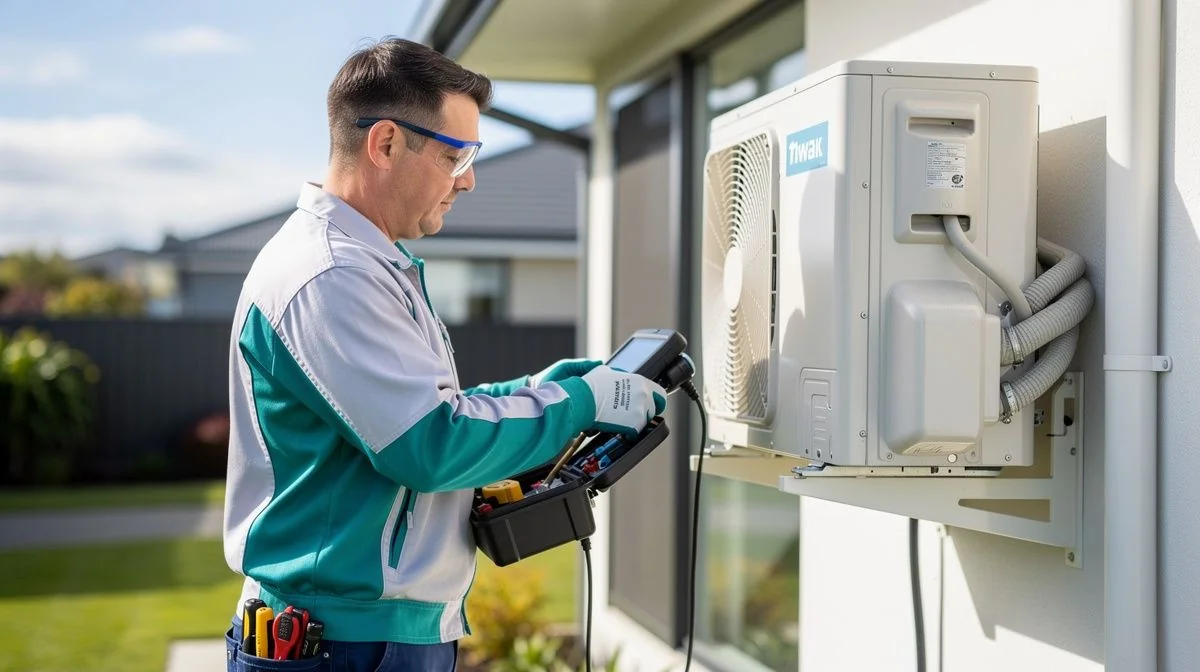
Why a Good Heat Pump Installer Matters in Christchurch
Heat pump installation is not something you can do yourself, and it is not something any handyperson should do either. A licensed electrician must handle the electrical connection, and refrigerant handling must be done by someone certified to do so. Get either part wrong, and you void the warranty, risk a safety problem, and end up with a unit that runs poorly and costs more to operate.
Christchurch makes that distinction matter more than most places. The city has cold, frosty winters — around 80 frosty days a year — and a heat pump is the best solution. It is efficient, compliant with the local air quality rules, and it meets the Healthy Homes heating standard for rentals. But it only does all that if it is the right size, correctly installed, and rated for cold weather.
There is also a uniquely Christchurch-timing issue beneath the market. Thousands of homes had heat pumps installed during the post-earthquake rebuild, and those units are now around 15 years old — a point at which many start to fail, usually in the middle of winter when you need them most.
A standard wall-mounted heat pump in Christchurch typically costs $1,764 to $5,390 installed, depending on size. It is a real investment, and it is worth getting right once rather than getting it wrong cheaply twice.
How We Researched This Guide
We worked through how heat pump installations actually operate in New Zealand, not on second-hand advice. We confirmed the electrical and refrigerant requirements and checked the local air quality rules governing what can be installed in Christchurch.
For pricing, we reviewed published cost guides from local providers and cross-checked them against one another — the ranges below reflect those sources, not a single quote. If a number is on this page, we found a real source for it. If we could not verify something, we left it out.
Our Trusted Heat Pump Specialists
We feature businesses that demonstrate strong performance, proven experience, and consistently positive customer feedback. Some of the providers listed may have commercial relationships with us, but all are selected based on quality and reliability.
To begin, reach out to them and speak with them directly — this helps you explain your job, ask questions, and confirm whether they're the right fit.
Expert heat pump installation and servicing in Christchurch. Get a free quote today. Tidy and Efficient! Friendly, Knowledgeable, Trustworthy. Friendly, Knowledgeable, Trustworthy. "Great job installing a TV for me. Was tricky to get power there and they went above and beyond to make it happen. Tidy, efficient and nice people too! What more could you ask for".
The Quick Summary (60-Second Version)
Everything below, boiled down to six lines.
- Typical cost: a single-room heat pump in Christchurch runs $1,764–$5,390 installed.
- How long: a standard install takes half a day to a full day.
- Best value for most homes: a correctly sized inverter unit rated for cold weather.
- What to check: a licensed electrician who is also certified to handle refrigerants.
- The biggest factor: sizing — an undersized unit will struggle in a Christchurch winter.
- The mistake to avoid: skipping insulation and then wondering why the unit works so hard.
Heat Pump Licensing & Regulation — What Actually Matters
Heat pump installation involves two regulated trades, and both matter. A registered electrician must perform the electrical connection — it is restricted work and a legal requirement, not a preference. Refrigerant handling must be done by someone certified under the relevant regulations because refrigerants are controlled substances.
There is no single "heat pump installer" licence. In practice, a proper installer is either a registered electrician who also holds refrigerant certification, or a specialist company that brings both an electrician and a refrigeration technician to the job. What matters is that both parts are done by someone properly qualified.
| Work | Who must do it |
|---|---|
| Electrical connection | A registered electrician |
| Refrigerant handling | A certified refrigerant handler |
| Unit mounting and commissioning | The installer, as part of the qualified team |
On top of that, Christchurch sits inside the Canterbury Urban Airshed, which is managed under the Canterbury Air Regional Plan. That means there are restrictions on which heating appliances can be installed in the city — wood burners and open fires are tightly controlled due to winter air pollution. A heat pump is the cleanest, most compliant option, which is one more reason it is the default choice for most Christchurch homes.
For rental properties, there is a further requirement. The Healthy Homes Standards require a fixed heating device capable of reaching a minimum temperature in the main living area, and a correctly sized heat pump is the simplest way to meet it. If you are a landlord, this is not optional — and a good installer knows exactly what is required.
Christchurch Pricing — What You Can Expect to Pay
Christchurch heat pump pricing is generally a little lower than Auckland and Wellington, helped by a large, experienced trades workforce built up during the rebuild. The biggest variable is the size of the unit and the complexity of the install.
| Job | Typical cost |
|---|---|
| Single-room heat pump (2–3 kW) | $1,764–$3,136 |
| Large room or open plan (5–7 kW) | $2,940–$5,390 |
| Wall-mounted unit (typical range) | $2,000–$4,000 |
| Floor console unit | $2,500–$4,500 |
| Multi-unit or ducted system | $7,840–$19,600 |
Price ranges verified from multiple Christchurch heat pump provider guides as of August 2026. Final quotes depend on the unit size, the brand, and the complexity of the installation.
Sizing is the thing people get wrong most often. A unit that is too big short-cycles and wastes energy; a unit that is too small struggles to keep the house warm on a frosty morning. A proper installer does a load calculation based on your room size and insulation, rather than guessing. If someone quotes without measuring, that is a warning sign.
Cold-climate performance matters in Christchurch specifically. Standard heat pumps lose output as outdoor temperatures drop, so in a cold, frosty climate you want an inverter model rated to perform well near freezing — ideally, a cold-climate line. It costs a little more up front, but it is the difference between a unit that keeps up in winter and one that fights all through it.
Insulation is the quiet multiplier. A well-insulated home needs a smaller, cheaper unit and runs far more efficiently than a draughty one. If your ceiling or underfloor insulation is missing or thin, fixing it first often lets you install a smaller heat pump and save on both the purchase and running costs.
How to Choose an Installer — What Actually Matters
Check the qualifications first. Confirm that a registered electrician will do the electrical work and that a certified professional handles refrigerant handling. A proper installer is upfront about this; a vague one is a risk.
Ask them to size the unit properly. The right answer involves measuring the room, asking about insulation, and doing a load calculation. A quote that picks a kW number off a brochure without looking at your home is a guess, and guessing is expensive in a cold climate.
Ask about cold-climate performance. Christchurch gets around 80 frosty days a year, so you want an inverter unit that holds its output near freezing. A good installer can explain the difference between a standard model and a cold-climate one, and recommend the right one for your home.
Ask about the full scope — the unit, the install, the electrical work, commissioning and testing, all in one GST-inclusive price. A quote that leaves these unclearly defined, or that leaves the electrical work to be arranged separately, is going to surprise you later.
Here is what should make you walk away:
- Won't confirm the electrical work is done by a registered electrician. It is a legal requirement.
- Quotes a unit without measuring your rooms or asking about insulation. That is not sizing; it is guessing.
- No mention of cold-climate performance. In Christchurch, that is the whole game.
- A price that is dramatically lower than the others. Usually means corners are being cut somewhere.
- Vague about what is included in the quote. The electrical work and commissioning must be in there.
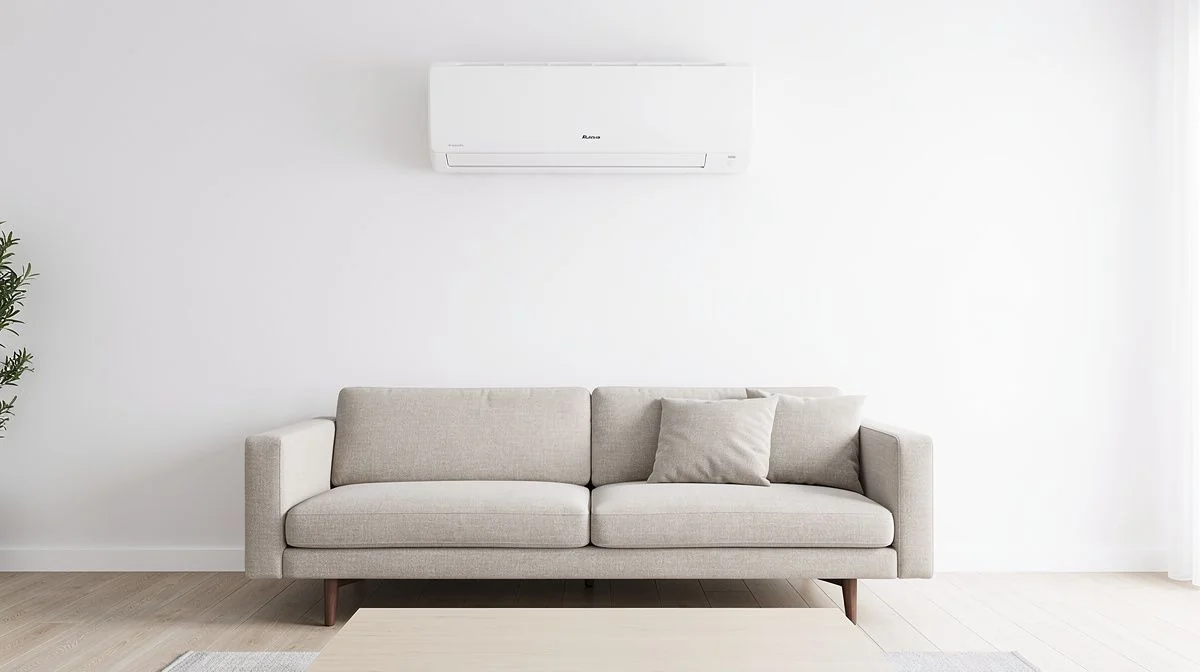
What to Expect When You Have a Heat Pump Installed
Expect a site assessment first. A good installer measures the room, looks at your insulation, and works out the right size before they quote. They will also check the practicalities — where the indoor and outdoor units will go, how the piping and wiring will run, and whether your switchboard can take the load.
On install day, the job runs in stages: mount the indoor unit, position the outdoor unit, run the piping and wiring, connect the electrical supply, then pressure-test and commission the system. The electrical connection must be completed by the registered electrician, and the entire installation should be properly tested before they leave.
How long the work roughly takes:
- Site assessment and quote: 30-60 minutes.
- Standard single-room install: half a day to a full day.
- Multi-unit or ducted system: one to three days.
- Commissioning and testing: included as the final step of the install.
After the job, you should get the unit's documentation, a run-through of how to use the controls, and confirmation of the warranty on both the unit and the artistry. A good installer also tells you to clean the filters regularly and book a service every year or two — because that is what keeps the unit running well through Christchurch winters.
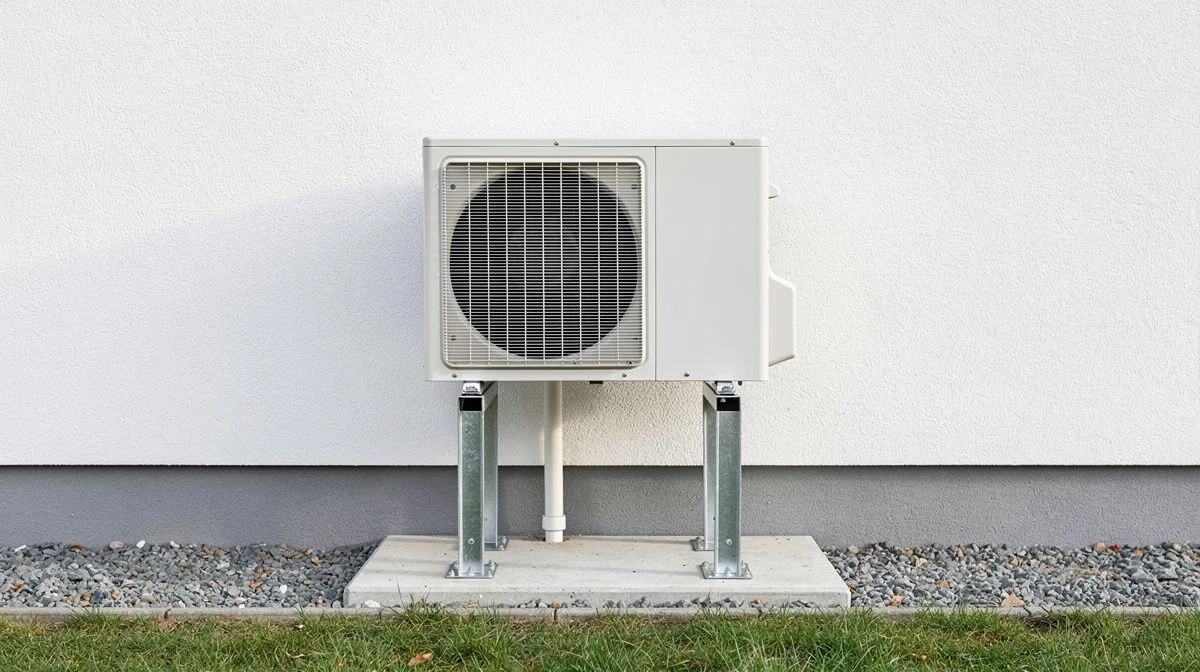
Christchurch-Specific Risks & Local Factors
The climate shapes heat pump installations in Christchurch, as do air quality rules and the legacy of the rebuild. These are the factors that matter locally.
Frosty winters and cold-climate performance
Christchurch gets around 80 frosty days a year, and standard heat pumps reduce output as outdoor temperatures drop. That is why cold-climate and inverter models matter here more than in Auckland. An undersized or non-inverter unit will struggle through the coldest mornings, and the whole point of a heat pump is that it does not. Choose a unit rated to hold its output near freezing.
The Canterbury Airshed
Christchurch sits within the Canterbury Urban Airshed, which is managed under the Canterbury Air Regional Plan. The city's winter temperature inversions trap air pollution at ground level, which is why wood burners and open fires are heavily restricted in urban areas. A heat pump produces zero local emissions and is fully compliant, which makes it the cleanest and simplest heating choice for most city homes.
The rebuild-era replacement wave
Thousands of Christchurch homes had heat pumps installed during the post-earthquake rebuild, and those units are now around 15 years old — the point where many start to fail, often in winter. If your unit is over 12 years old and struggling on cold mornings, replacement is usually better value than repair. It is a timing issue most homeowners have not thought about.
Insulation as the multiplier
In a cold climate, insulation is what makes a heat pump work properly. A well-insulated home retains heat, so a smaller, cheaper unit can do the job and runs far more efficiently. Many Christchurch homes — particularly older ones — have missing or thin insulation, and fixing that first often means you can install a smaller unit and save on both purchase and running costs.
Questions You Might Have
Do I need a licensed electrician to install a heat pump?
Yes, for the electrical connection. The electrical work is restricted and must be done by a registered electrician, and refrigerant handling must be done by a certified professional. A proper installer brings both to the job. Anyone who suggests otherwise is putting you at risk and voiding the warranty.
What size heat pump do I need?
It depends on the room size, your insulation, and how cold it gets — not a rule of thumb. A proper installer does a load calculation based on those factors. As a rough guide, a small bedroom might need a 2-3 kW unit, while a large open-plan living area might need 5-7 kW. Undersizing is the classic mistake, and in a Christchurch winter you will notice it.
Are heat pumps expensive to run?
Compared with other electric heating, no — a heat pump produces several units of heat for every unit of electricity it uses, which makes it one of the cheapest ways to heat. The running cost depends on the size, your insulation and how you use it, but a correctly sized unit in an insulated home is genuinely cheap to run.
Does a heat pump meet the Healthy Homes standard for rentals?
Yes, if it is the correct size. The Healthy Homes Standards require rental properties to have a fixed heating device capable of reaching a minimum temperature in the main living area, and a properly sized heat pump is the simplest way to meet that. A good installer can confirm the right unit for the requirement.
Should I repair or replace my old heat pump?
If it is over about 12 years old and showing signs of age — slow to heat, struggling on cold mornings, getting noisy — replacement is usually the better value. Many rebuild-era Christchurch units are now at or past their expected 15-year lifespan. Repairing an ageing unit often costs more per remaining year of life than a new, more efficient one.
What Matters Most
A heat pump is a bet that the sizing, installation, and cold-climate rating are all right all at once. Get it right, and you have cheap, clean, reliable warmth through Christchurch's frosty winters — and cooling in summer as a bonus. Get it wrong, and you have a unit that fights the cold, runs hard and disappoints you every winter morning.
In Christchurch, the stakes are raised by the frosty climate, the airshed rules that make heat pumps the sensible choice, and the wave of rebuild-era units now reaching the end of their lives.
Check the qualifications, insist on proper sizing, and choose a unit rated for the cold. Do that, and your home stays warm, and your power bill stays reasonable, winter after winter.

The ValueHub Team built this site because finding clear, unbiased financial information in New Zealand was harder than it should be. Every guide is based on real research — we compare the actual fees, terms, and fine print so you don't have to. Our tip: shop around every year, read the policy docs, and never assume loyalty gets you the best deal.— The ValueHub Team
More Heat Pump Specialists in Christchurch
These businesses also operate in this area.
Simply Heat offers innovative home heating solutions with a comprehensive range of systems designed to keep your home warm, efficient, and comfortable. At Simply Heat we pride ourselves on offering you a comprehensive range of heating solutions for your home. We have a wide range of heating products displayed in our showroom in Sydenham, Christchurch.
From home heat pumps to complete commercial HVAC solutions, HPAC can help you find your perfect temperature. Discover leading brands and expert advice. We've got your covered HPAC is Site Wise Gold accredited for 2025-2026 We’re proud to be recognised for our commitment to doing things right. Our SiteWise Gold status reflects the high standards we bring to every project.
Try our Calculators
Use these free tools to crunch the numbers:
KiwiSaver Fund Comparison
Compare fees, returns, and risk levels across every KiwiSaver fund from all 31 NZ providers.
Currency Converter — USD to NZD
Convert US Dollars to New Zealand Dollars instantly. See the latest exchange rate and 30-day trend.
Mortgage Repayment Calculator
Calculate your weekly, fortnightly, or monthly mortgage repayments. Free NZ mortgage calculator — try different rates, terms, and repayment frequencies.
Compound Interest Calculator
See how your savings grow with compound interest over time. Free NZ compound interest calculator with yearly, monthly, and weekly compounding options.
Term Deposit Calculator
Calculate your term deposit returns before you lock in. Compare interest earned across different terms and rates with ValueHub's free calculator.
Savings Goal Calculator
Calculate how long it will take to reach your savings goal — and what monthly deposit you need to get there. Free NZ savings planner.
Heat Pump Specialists in Other Cities
Latest Guides & Reviews
New Zealand Financial Markets Authority Guide: Investor Protection in NZ
Protect your investments with this practical guide to the FMA — how to check licences, spot scams, and what to do if a provider fails. Verified against...
comparisonEV Home Charger NZ: Costs & Buying Guide
Compare EV home charger costs in NZ — verified prices from $1,299, installation fees, smart features, and what actually matters for your home's power supply.
guideThe Most Popular EVs in New Zealand
The best-selling electric cars in New Zealand, ranked by official registration data. Top BEV and PHEV models and brands, updated monthly.
guideEV Market Stats
New Zealand's EV market in numbers — market share, fleet size, top-selling models and used imports, updated with the latest NZTA and MIA data.