Best Heat Pump Specialists in Kapiti
Published 24 February 2025 · Updated 18 August 2026
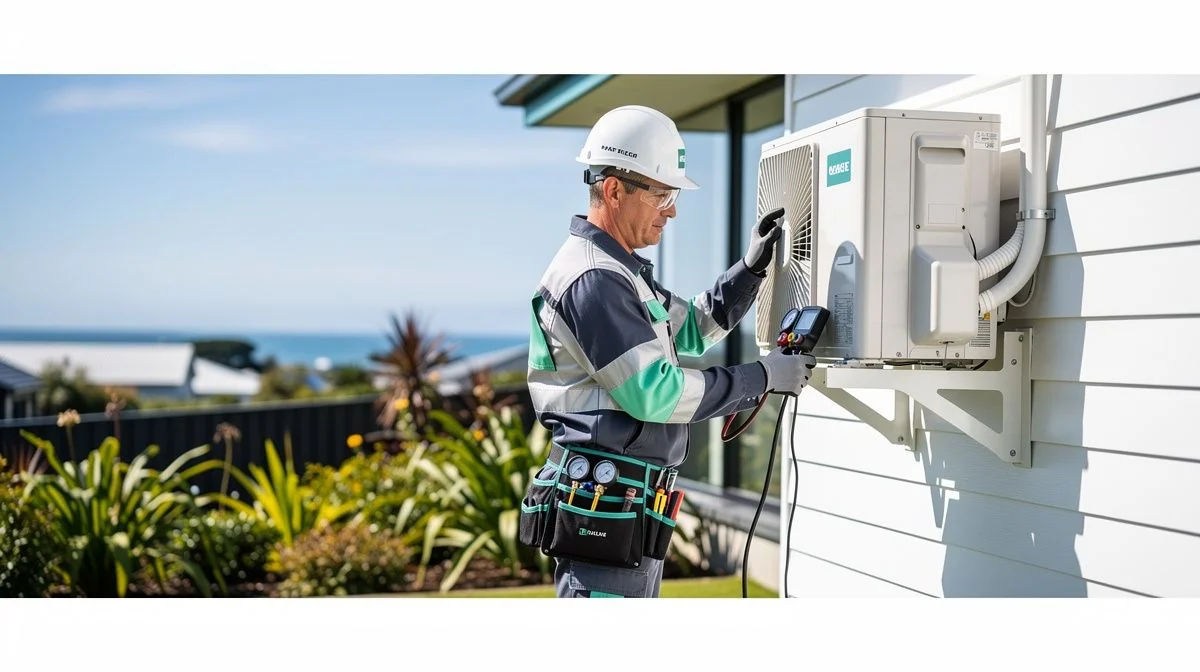
Finding the right heat pump specialist in Kapiti
Kapiti’s coastal climate brings cool southerlies, damp winters and the occasional humid summer day. A well-chosen heat pump can keep your home comfortable all year round, but only if it’s installed by someone who knows the local conditions. The right specialist will help you pick a system that suits your home’s size, layout and insulation, then install it properly to avoid draughts and inefficiency.
There are plenty of heat pump specialists serving Kapiti – from Paraparaumu to Waikanae and Ōtaki. But not all are equal when it comes to experience, warranty support or after-sales service. Here’s what to consider before you book anyone.
What to look for when hiring a heat pump specialist in Kapiti
Choosing a heat pump installer isn’t just about price. A good specialist will make the whole process easier and save you money in the long run. Look for these qualities:
- Local experience – Someone who regularly works in Kapiti will know how coastal salt air and wind affect outdoor units, and which brands hold up best.
- Full service offering – From site assessment and recommendation to installation and ongoing maintenance – a single point of contact saves hassle.
- Clear qualifications – Ask if they hold a current electrical licence and are registered with the Electrical Workers Registration Board (EWRB). Many also carry Manufacturer Authorisation for brands like Mitsubishi, Daikin or Fujitsu.
- Good reviews and references – Check Google, Facebook or your local Kapiti community pages for recent feedback. Word of mouth in a smaller community is gold.
- Solid warranty support – A specialist who stands behind their work will offer at least a 5‑year labour warranty on top of the manufacturer’s parts warranty.
Key questions to ask before hiring a heat pump specialist
Once you have a shortlist of candidates, ask these questions to separate the pros from the time‑wasters:
- “Do you come to my property for a free, no‑obligation site visit?” – A proper assessment looks at room sizes, ceiling height, insulation and window orientation. Avoid any company that quotes over the phone without seeing the home.
- “Which brands do you recommend for this property and why?” – A good specialist explains the trade‑offs between running cost, reliability and noise level, not just pushes whichever brand has the highest margin.
- “What size unit do I actually need?” – Oversized units short‑cycle and waste power; undersized ones run constantly and never quite heat or cool properly. They should do a heat‑load calculation, not just guess.
- “Do you handle the council consent or electrical certification?” – Most heat pump installations don’t need a building consent unless you’re mounting the outdoor unit on a structural wall or altering drainage. But electrical work must be certified. They should explain exactly what paperwork you’ll receive.
- “What’s included in the quoted price?” – Get it in writing: supply and install of the unit, mounting bracket, electrical connection, pipework, condensate drain, and disposal of your old unit if applicable. Hidden extras for lifting gear or long cable runs can blow the budget.
- “What ongoing maintenance do you recommend, and can you provide it?” – Filters need cleaning every few months and a professional service every year or two. Knowing they can come back keeps your warranty valid.
Tips for getting the best results
Even the best specialist can only do so much if the property isn’t prepared. Follow these tips to get a smooth installation and long‑lasting performance:
- Improve your insulation first – A heat pump works best when the home retains heat. Top up ceiling insulation, seal gaps around doors and windows, and consider underfloor insulation. Your installer will thank you – and your power bill will too.
- Think about placement – Indoor units work best on an internal wall, away from curtains and furniture. Outdoor units should be sheltered from salt‑laden winds, not too close to a neighbour’s bedroom window. Discuss placement options during the site visit.
- Ask about smart controls – Many modern heat pumps can be controlled via a phone app or Wi‑Fi thermostat. If you’re out all day, you can warm the house just before you get home. Ask if this is included or an extra.
- Prepare the area – Clear the space around where the indoor and outdoor units will go. Make sure the installer has easy access to the power board and the path for pipework is unobstructed.
- Check the noise rating – Outdoor units typically produce 45–55 decibels. If your bedroom is near the unit, look for a model with a “silent” mode or a lower decibel rating. Your specialist should have these numbers handy.
A note about costs and getting quotes
Heat pump costs in Kapiti vary depending on the brand, capacity and complexity of the install. As a rough guide, a standard 2.5 kW to 3.5 kW unit (suitable for a small lounge or open‑plan area) might cost between $2,000 and $3,500 installed, while a larger 7 kW to 9 kW system for a bigger home can range from $4,500 to $7,000 or more.
These figures are only indicative – your actual price will depend on factors like:
- the brand and model you choose
- whether you need a wall‑mount, floor‑mount or multi‑head system
- the distance between indoor and outdoor units (longer pipe runs add cost)
- any

The ValueHub Team built this site because finding clear, unbiased financial information in New Zealand was harder than it should be. Every guide is based on real research — we compare the actual fees, terms, and fine print so you don't have to. Our tip: shop around every year, read the policy docs, and never assume loyalty gets you the best deal.— The ValueHub Team
Try our Calculators
Use these free tools to crunch the numbers:
KiwiSaver Fund Comparison
Compare fees, returns, and risk levels across every KiwiSaver fund from all 31 NZ providers.
Currency Converter — USD to NZD
Convert US Dollars to New Zealand Dollars instantly. See the latest exchange rate and 30-day trend.
Mortgage Repayment Calculator
Calculate your weekly, fortnightly, or monthly mortgage repayments. Free NZ mortgage calculator — try different rates, terms, and repayment frequencies.
Compound Interest Calculator
See how your savings grow with compound interest over time. Free NZ compound interest calculator with yearly, monthly, and weekly compounding options.
Term Deposit Calculator
Calculate your term deposit returns before you lock in. Compare interest earned across different terms and rates with ValueHub's free calculator.
Savings Goal Calculator
Calculate how long it will take to reach your savings goal — and what monthly deposit you need to get there. Free NZ savings planner.
Heat Pump Specialists in Other Cities
Latest Guides & Reviews
New Zealand Financial Markets Authority Guide: Investor Protection in NZ
Protect your investments with this practical guide to the FMA — how to check licences, spot scams, and what to do if a provider fails. Verified against...
comparisonEV Home Charger NZ: Costs & Buying Guide
Compare EV home charger costs in NZ — verified prices from $1,299, installation fees, smart features, and what actually matters for your home's power supply.
guideThe Most Popular EVs in New Zealand
The best-selling electric cars in New Zealand, ranked by official registration data. Top BEV and PHEV models and brands, updated monthly.
guideEV Market Stats
New Zealand's EV market in numbers — market share, fleet size, top-selling models and used imports, updated with the latest NZTA and MIA data.